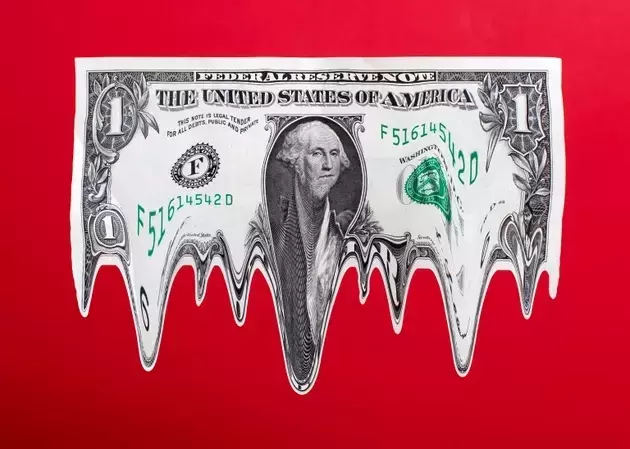
The financial world stands at a pivotal moment with the recent confirmation of Kevin Warsh as the new Federal Reserve Chair. This transition ushers in an era of anticipated monetary policy shifts and heightened market uncertainty, especially given the existing divisions within the Fed and the global economic landscape.
Warsh's Era: A Challenging Path to Monetary Consensus
A Divided Mandate: The Inherited Landscape for Chair Warsh
Kevin Warsh steps into the leadership of the Federal Reserve at a uniquely challenging time, inheriting an institution more internally fractured than it has been in decades. With a significant number of policymakers already expressing dissent on key interest rate decisions, achieving a unified direction for monetary policy will be a formidable task for the new Chair.
The Rate Conundrum: Inflationary Pressures vs. Deep Rate Cuts
Despite Warsh's known advocacy for substantial interest rate reductions, the current economic environment, characterized by accelerating inflation indicators such as the Consumer Price Index (CPI) and Producer Price Index (PPI), presents a complex dilemma. This inherent conflict between desired policy action and economic realities, coupled with a divided Federal Reserve Board, suggests that the path forward for rate policy will be contentious and could introduce considerable distortion into market expectations and outlooks.
Structural Reforms Ahead: Quantitative Tightening and Communication Shifts
Beyond immediate rate decisions, Chair Warsh is poised to implement several foundational changes to the Fed's operational framework. These include a move towards Quantitative Tightening (QT), which will actively reduce liquidity in the financial system. Furthermore, he intends to discontinue the practice of "forward guidance" and minimize "Fedspeak," aiming for more direct and less ambiguous communication. These structural adjustments, while potentially fostering greater clarity in the long term, are likely to amplify market volatility in the short to medium term.
Market Outlook: Prudence Amidst Uncertainty
In light of these impending changes and the prevailing macro risks, including persistent inflation and geopolitical flashpoints, the current market valuation of 22 times forward earnings per share (EPS) offers a less than favorable risk-to-reward proposition. The combined effects of a fragmented Fed, Warsh's transformative policy agenda, and external economic pressures suggest a period of increased market instability. Consequently, a cautious and neutral investment stance is advisable until a clearer consensus on monetary policy and its implications emerges under Chair Warsh's leadership.
