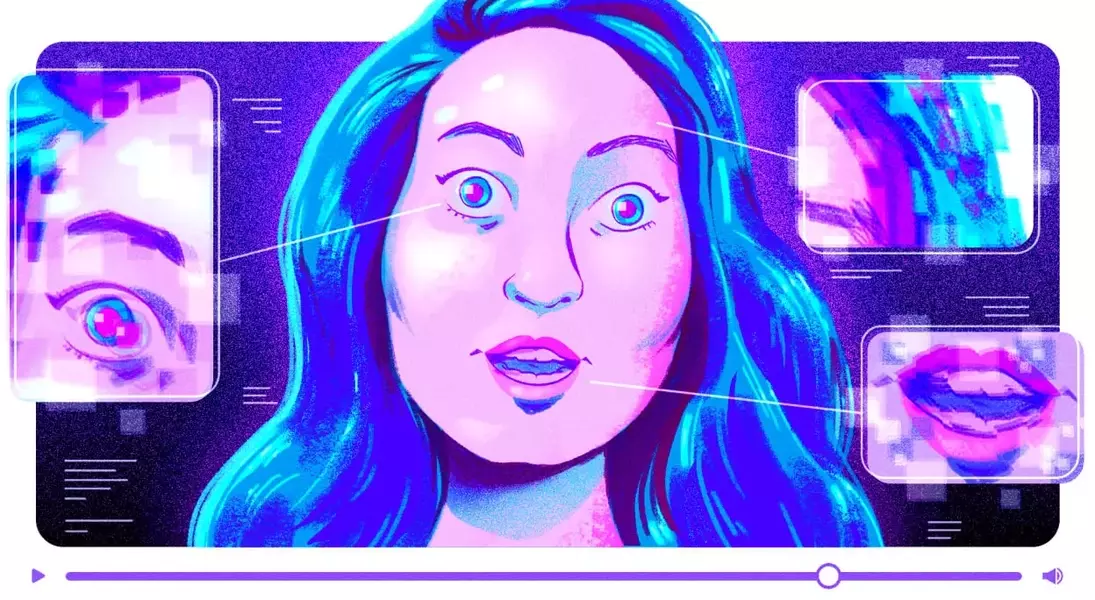
In an increasingly digital world, the proliferation of AI-generated videos presents a complex challenge, making it difficult for viewers to distinguish genuine content from synthetic creations. As artificial intelligence continues to advance, the methods for producing photorealistic and convincing videos are constantly evolving, rendering previously reliable detection techniques obsolete. This article delves into the nuances of identifying AI-generated media, stressing that while definitive technical indicators are fleeting, a robust foundation in AI literacy and critical judgment are paramount for discerning truth from fabrication. Understanding the different forms of AI video, from manipulated existing footage to entirely synthesized scenes, is essential for navigating the current online landscape effectively.
The rapid progression of AI video generators has transformed the digital content sphere. Not long ago, tell-tale signs like distorted features or unnatural movements were clear indicators of AI manipulation. However, cutting-edge tools can now produce highly realistic visuals, making these former giveaways less common. While AI video generation is still a relatively nascent field compared to AI-driven text or image creation, the underlying obstacles to achieving higher fidelity are primarily matters of labor and data quality, not fundamental scientific barriers. Experts in the field highlight that the goal is not to find a definitive checklist of AI artifacts, which are constantly being refined, but rather to cultivate a general awareness that what one sees online might be artificially generated. This foundational understanding prompts individuals to question the authenticity of content, a far more effective strategy than chasing specific, transient visual cues.
AI-generated videos broadly fall into two main categories: imposter videos and text-to-image generated videos. Imposter videos, which involve techniques like face swapping or subtle lip synchronization, have been around longer and often build upon existing footage, making them particularly convincing. For instance, the viral Tom Cruise deepfakes demonstrated the high level of detail and professional effort that can go into creating such realistic portrayals. As these technologies become more accessible through various applications, the potential for misuse, including the generation of audio from short sound bites, is growing. Regulators are increasingly focusing on these types of deepfakes, recognizing their potential for harm. To identify imposter videos, viewers should pay close attention to subtle anomalies: the framing, typically a talking-head style with obscured arms, and inconsistencies around facial boundaries, especially during head movements. Unusual movements of hands and arms, or a lack of natural body motion, can also be red flags. For lip-sync deepfakes, examining the subject's mouth, particularly their teeth and the fluidity of the lower face, can reveal artificial manipulation, as even slight imperfections in alignment can create a rubbery or wobbling effect.
In contrast, text-to-image video generators, now integrated into platforms like ChatGPT and Google Gemini, allow for the creation of entirely new scenes from descriptive text. These tools have democratized video creation, enabling everything from whimsical animations, such as cats diving, to misleading content like fake hurricane damage footage. This surge in text-to-image videos contributes to an increasingly ambiguous online environment where differentiating between reality and AI-generated fiction becomes progressively harder. Many online accounts profit from the clickbait nature of these AI creations, intentionally deceiving users. While some platforms mandate disclosure for AI-generated content created with their native tools, users often bypass this by using external generators. To spot these, viewers should look for 'temporal inconsistencies' in the background details, such as objects changing appearance or size in illogical ways. Experts also suggest considering 'sociocultural implausibilities' – situations that, while visually rendered, defy common sense or established reality, indicating artificiality rather than genuine occurrences.
Relying solely on specific visual artifacts for detection is a precarious approach, as AI technology continuously evolves to mitigate these flaws. Early research on deepfake detection, for example, focused on a lack of natural eye blinks, but subsequent AI advancements quickly resolved this issue. This highlights the danger of fixating on transient technical tells; as soon as a flaw is identified, AI developers work to correct it. Instead, fostering a general awareness that digital content can be manipulated by AI is a more sustainable defense. This awareness should trigger a sequence of critical actions: questioning the source, verifying information across multiple reliable channels, and seeking corroboration from diverse perspectives. Content that feels like clickbait often is, regardless of its visual fidelity. The most effective countermeasure against deepfakes and misleading AI content lies in cultivating strong media literacy and exercising sound judgment. Ultimately, while AI companies are implementing both visible and invisible watermarks to label generated content, these measures have limitations. Visible watermarks can be removed or easily ignored, while invisible metadata-based watermarks, though harder to tamper with, depend on voluntary adoption by companies. Therefore, the onus remains on the individual to remain vigilant, critically assess online information, and prioritize verified sources. Trusting one's intuition when something appears "off" and proactively seeking diverse angles and confirmations are indispensable skills in this dynamic digital age.
