
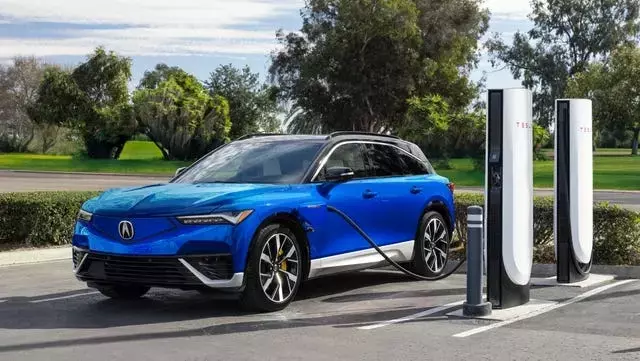
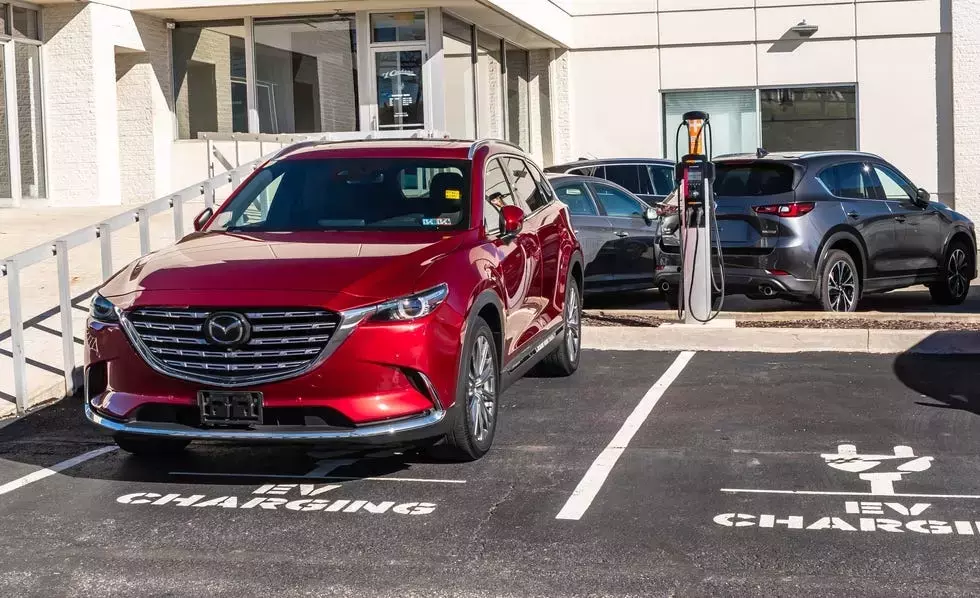
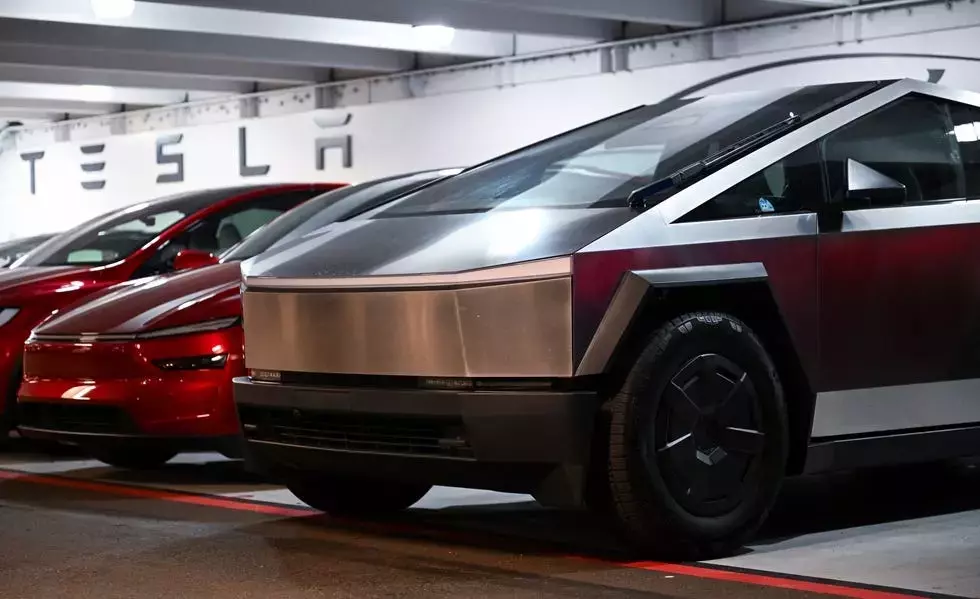
The automotive landscape is undergoing a significant transformation with the rapid rise of electric vehicles (EVs). This comprehensive guide delves into the various facets of EV ownership, providing potential buyers and lessees with crucial information to make informed decisions. From understanding the intrinsic benefits of electric propulsion to navigating financing options and leveraging available incentives, this article illuminates the path toward embracing sustainable mobility.
As EVs become an increasingly viable and attractive option for a growing number of consumers, understanding the nuances of their acquisition and ownership is paramount. This exploration will cover the compelling reasons to consider an EV, the strategic choices between purchasing and leasing, and the financial advantages offered through various incentives and unique insurance considerations. Ultimately, this resource aims to equip individuals with the knowledge needed to confidently transition to the electric vehicle era.
The Advantages of Embracing Electric Vehicles
Electric vehicles represent a pivotal shift in personal transportation, offering a blend of environmental responsibility and cutting-edge technology that appeals to a diverse range of consumers. Their quiet operation, instant torque, and zero tailpipe emissions contribute to a more pleasant driving experience and cleaner urban environments. Furthermore, continuous advancements in battery technology have largely mitigated previous concerns about driving range, with many models now offering capacities exceeding 300 miles on a single charge. This evolution, coupled with expanding charging infrastructure, ensures that long-distance travel is increasingly feasible and convenient for EV owners.
Beyond the immediate environmental and performance benefits, owning an electric vehicle can also lead to significant long-term financial savings. Reduced fuel costs, lower maintenance requirements due to fewer moving parts compared to internal combustion engines, and various government incentives contribute to a more economical ownership experience. For those prioritizing sustainability, technological innovation, or financial prudence, the current EV market offers a compelling array of choices, promising a greener and more efficient future for personal mobility.
Buying vs. Leasing and Financial Incentives for EVs
When considering an electric vehicle, the decision between buying and leasing carries unique implications, particularly due to the rapid evolution of EV technology. Leasing an EV can offer a strategic advantage, allowing drivers to experience the latest advancements without a long-term commitment. This approach helps mitigate concerns about technological obsolescence and battery degradation, as the vehicle can be returned or upgraded after a typical lease term. Additionally, leasing often provides access to federal tax credits and other incentives that might otherwise be unavailable to individual buyers, as these benefits can be passed on by leasing companies, reducing monthly payments.
Furthermore, an array of financial incentives exists to encourage EV adoption. The federal government, along with many state and local authorities, offers tax credits and rebates, which can substantially lower the effective cost of an electric vehicle. These incentives often depend on factors such as the vehicle's manufacturing location, battery components, and the buyer's income level. Savvy shoppers can also find significant discounts from manufacturers and dealerships, driven by market dynamics and a desire to boost sales. It is highly recommended that prospective buyers research all available programs to maximize their financial benefits and carefully evaluate both buying and leasing options to align with their financial situation and personal preferences.
