Professional sports are often characterized by exhilarating performances and fierce competition, yet beneath the surface, complex negotiations and disputes over player contracts frequently unfold. These disagreements, often public, reveal the dynamic power struggles between star athletes seeking fair compensation and opportunities, and franchises aiming to maintain competitive balance and financial stability. Such scenarios are not isolated incidents but rather a recurring theme across various leagues, shaping team rosters and influencing the trajectory of players' careers.
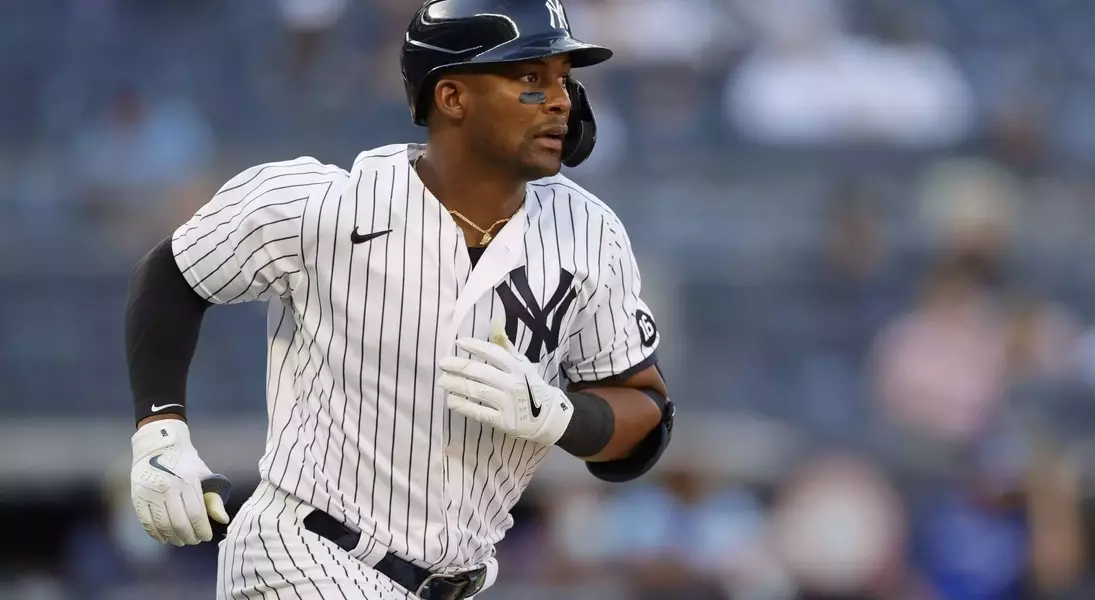
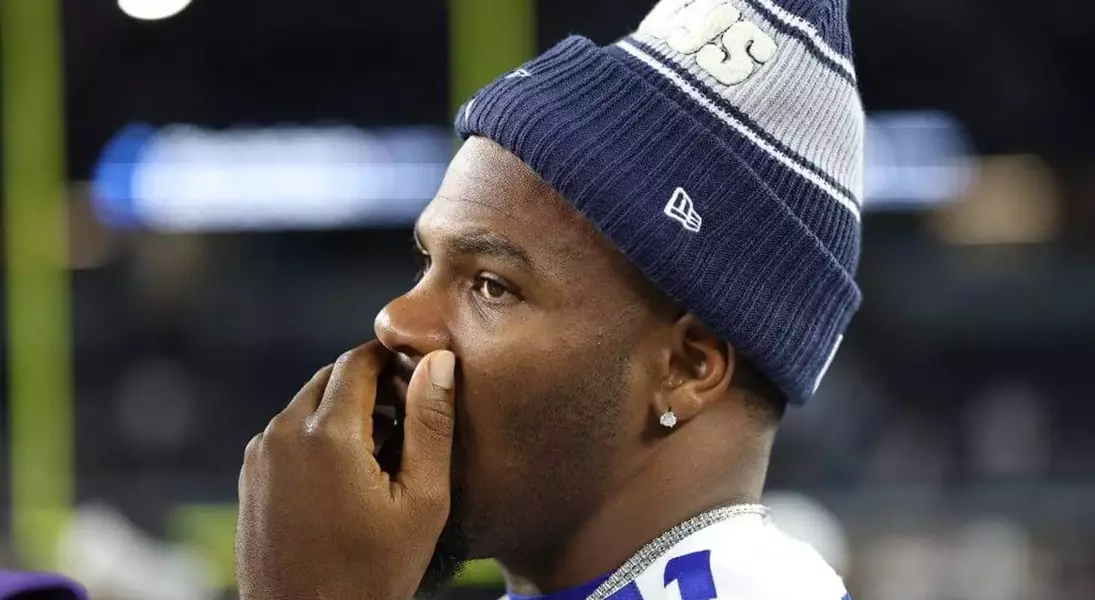
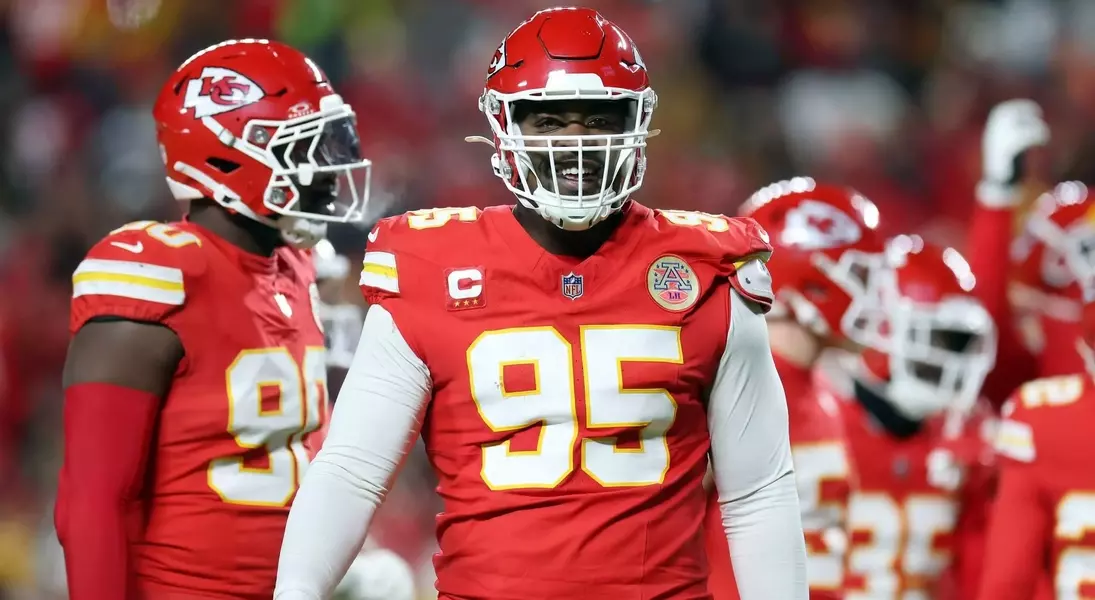
In American professional sports, particularly the NFL and NBA, contract disagreements are commonplace, with players employing various tactics to achieve their desired outcomes. For instance, in the NFL, players might engage in 'holdouts,' where they completely abstain from mandatory team activities to pressure for a new contract or trade, or 'hold-ins,' where they attend team events but refrain from participation, often citing injury, to avoid fines. These strategies, exemplified by Micah Parsons' ongoing situation with the Dallas Cowboys and Chris Jones' successful holdout with the Kansas City Chiefs, aim to disrupt team preparations and force management's hand. Similarly, in the NBA, players like LeBron James and Bradley Beal possess significant sway, with some even having no-trade clauses, allowing them to dictate their career paths. The highly publicized trade demands of James Harden and Ben Simmons further illustrate players' determination to control their destinies, sometimes at the cost of personal fines or public scrutiny. Even in MLB, where contracts are typically fully guaranteed, and NHL, which sees fewer trade-driven holdouts, these issues occasionally surface, underscoring the universal desire among athletes for advantageous contract terms and environments.
Ultimately, these contract disputes, while often challenging for all parties involved, highlight the evolving landscape of professional sports, where player empowerment is increasingly significant. The determination of athletes to advocate for their value and secure favorable conditions reflects a broader trend of professionals taking ownership of their careers. When resolved positively, these conflicts can lead to mutually beneficial outcomes, securing substantial financial agreements for players and solidifying team rosters for years to come. Such instances underscore the idea that standing firm on one's principles and value, when done constructively, can pave the way for greater success and recognition, serving as a powerful testament to self-worth and perseverance in the demanding world of professional athletics.
