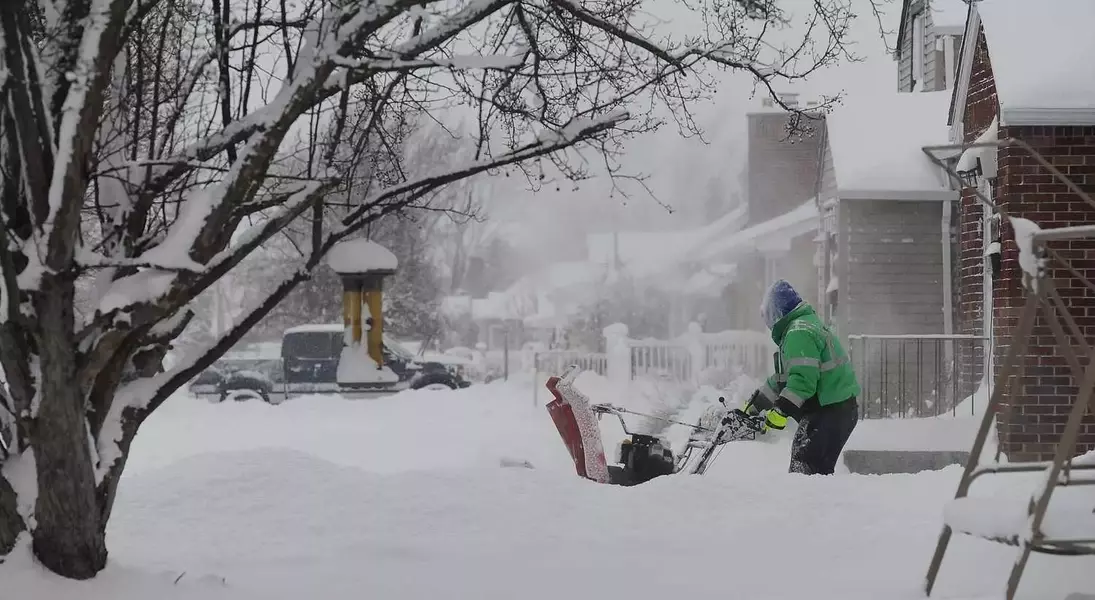
U.S. natural gas markets experienced a dramatic upswing this week, with futures prices reaching unprecedented levels. This surge is primarily attributed to a severe cold front, commonly referred to as an Arctic blast, which has enveloped a significant portion of the United States and is also impacting other major global regions. The heightened demand for heating, fueled by sub-zero temperatures, has directly influenced these price movements. Although the immediate effect on household heating costs will be delayed, the market reaction underscores the critical role of natural gas in energy consumption during extreme weather events. The trend is not isolated to the U.S., as Europe, the U.K., and China are also grappling with unusually cold conditions, leading to a synchronized increase in natural gas prices across international markets.
This widespread cold snap is not only affecting commodity prices but also influencing the valuations of energy companies. Natural gas producers have seen their stock values climb, and related exchange-traded funds have registered substantial gains. This financial ripple effect demonstrates how meteorological phenomena can rapidly translate into significant shifts within the energy sector, influencing both trading and investment strategies. The coming weeks will be crucial in observing whether these elevated prices sustain or stabilize, and how long it will take for these wholesale market changes to manifest in consumer energy expenses.
Arctic Chill Drives Up Natural Gas Demand
A powerful Arctic air mass has caused U.S. natural gas prices to dramatically increase, marking a record two-day surge. This severe weather system is projected to bring exceptionally low temperatures, extending from the southwestern states to the East Coast, with wind chills plummeting to extreme lows. As a result, the demand for natural gas, which serves as the primary heating source for nearly half of American homes, is expected to soar. The futures market has already reacted sharply to these forecasts, indicating a strong anticipation of increased consumption. This rapid price adjustment highlights the sensitivity of energy markets to immediate weather conditions and the essential role of natural gas in meeting heating needs across the country.
The current forecast details a significant winter storm trajectory, extending from New Mexico eastward to the Atlantic seaboard, bringing heavy snow and ice. Accompanying this storm, Arctic air is set to descend as far south as Texas, with wind chill factors anticipated to drop to dangerous levels, potentially reaching 50 degrees below zero Fahrenheit in regions like North Dakota and northern New England, and hovering near zero in south-central Texas. This widespread cold front has directly contributed to the surge in natural gas prices, with futures contracts experiencing an unprecedented 60% increase over a holiday-shortened week. This sharp climb reflects the market's expectation of a substantial increase in heating demand from residential and commercial sectors, which rely heavily on natural gas, especially with forecasts indicating sustained colder-than-normal conditions throughout January across the eastern U.S.
Global Cold Snap's Broader Economic Implications
The impact of the ongoing global cold snap extends beyond the U.S. borders, affecting natural gas markets in Europe, the U.K., and China. This synchronous increase in demand due to severe winter conditions globally is tightening supply and pushing up international liquefied natural gas (LNG) prices. While the immediate effect on consumer heating bills in the U.S. is mitigated by a typical time lag of several months for wholesale price changes to reach retail levels, the sustained higher prices could eventually lead to increased costs for consumers. Furthermore, these elevated natural gas prices are influencing broader energy markets, with shares of natural gas producers and related exchange-traded funds experiencing significant gains. This global phenomenon underscores the interconnectedness of international energy markets and the far-reaching economic consequences of widespread extreme weather events.
The cold weather phenomenon is truly global, with natural gas prices in Europe and the U.K. having already risen by over 40% this month. In Asia, an unseasonably cold spell in China has similarly driven up prices in the global liquefied natural gas (LNG) market. Given that LNG and pipeline imports constitute approximately 40% of China’s natural gas consumption, this surge has significant international implications. Domestically, while U.S. consumers will experience higher heating expenses in the short term due to increased furnace usage, the full impact of these wholesale price hikes on their bills will likely not be felt for several months. Retail prices are influenced not only by market demand for heating but also by other substantial uses of gas, such as electricity generation. This week's market activity has also been a boon for investors in natural gas, with major producers like EQT Corp. and Expand Energy, along with the U.S. Natural Gas Fund ETF (UNG), recording substantial increases in their stock and fund values, closing at multi-week highs.
