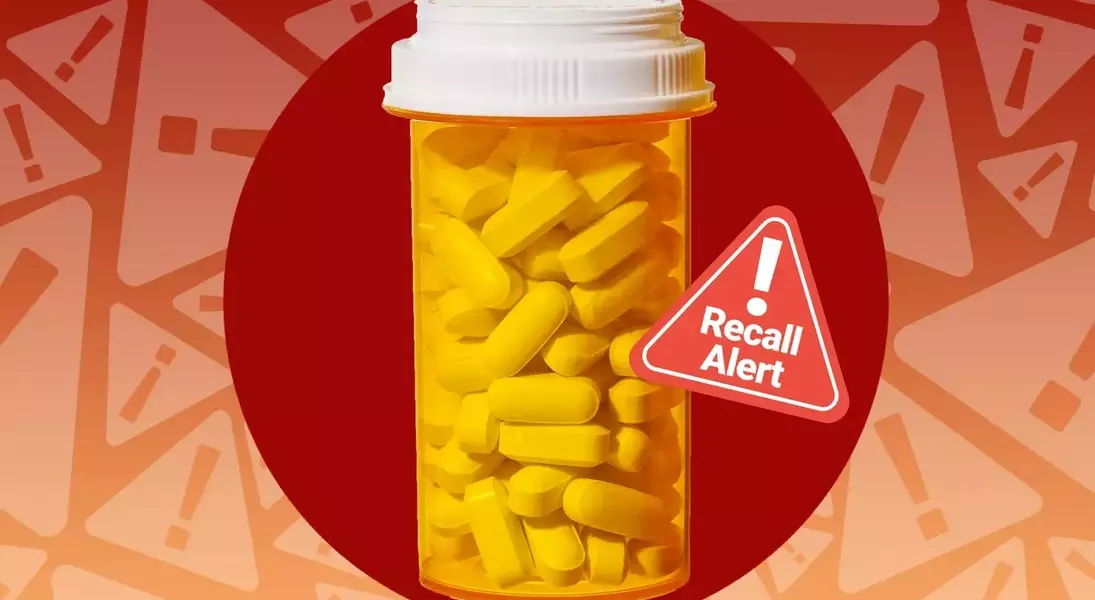
The U.S. Food and Drug Administration (FDA) has issued a significant announcement regarding the recall of over 11,000 bottles of blood pressure medication across the nation. This measure stems from the discovery of cross-contamination within the medication, prompting a swift response to safeguard public health. Despite the recall, authorities categorize the risk as low, with no reported incidents of adverse health effects to date.
FDA Initiates Recall of Contaminated Blood Pressure Medication
In an urgent announcement, the U.S. Food and Drug Administration (FDA) has confirmed the nationwide recall of 11,136 bottles of bisoprolol fumarate and hydrochlorothiazide tablets. This blood pressure medication, specifically in its 2.5-milligram and 6.25-milligram dosages, was found to be cross-contaminated with traces of ezetimibe, a drug primarily used for cholesterol management. The affected batches, identifiable by lot codes "17232401" or "17240974" and expiration dates "11/2025" or "05/2026," were manufactured by Glenmark Pharmaceuticals Limited and distributed in 30-count, 100-count, and 500-count bottles.
The recall has been designated as a Class III event, signifying that while the contamination exists, the probability of serious adverse health consequences is low. Emphasizing this low-risk classification, the FDA reports no associated illnesses or adverse reactions have been reported. Individuals concerned about their medication are advised to consult their healthcare providers or pharmacists for guidance on obtaining a replacement. For any further inquiries, the FDA remains accessible via their helpline.
This incident serves as a crucial reminder of the intricate processes involved in pharmaceutical manufacturing and the diligent oversight required to ensure product safety. While the current recall poses a minimal health risk, it underscores the importance of continuous monitoring and swift action to maintain consumer trust and well-being. Patients are encouraged to remain vigilant about health advisories and to engage proactively with their medical professionals regarding any medication-related concerns.
