A recent dialogue has emerged from the world of professional tennis, centering on the perceived star power within the women's game. This discussion gained momentum following remarks by a renowned tennis coach, prompting a leading female athlete to offer a contrasting viewpoint. The conversation not only highlights differing opinions on the visibility and influence of women in the sport but also subtly touches upon broader issues of gender equity in high-profile sporting events.
Tennis World Debates: Osaka Responds to Mouratoglou's Superstar Comments
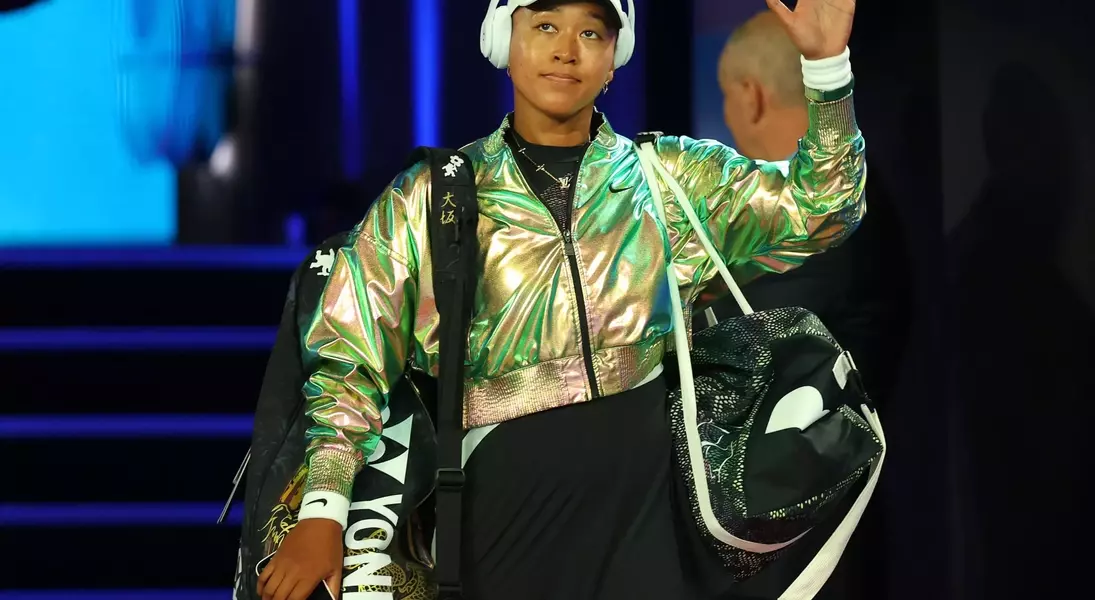
In the vibrant heart of the tennis season, during her meticulous preparations for the illustrious Wimbledon tournament, Naomi Osaka, a celebrated champion with four Grand Slam titles to her name, found herself prompted to address a contentious statement. Her coach, Patrick Mouratoglou, a prominent figure previously associated with Serena Williams, had recently declared a lack of 'big stars' within the contemporary landscape of women's tennis.
Mouratoglou's remarks were made in defense of the organizational choices at Roland Garros, where women's matches were conspicuously absent from the highly coveted night sessions on Philippe Chatrier, a trend observed in previous editions of the tournament. This decision sparked considerable debate among players, with notable voices like Ons Jabeur expressing strong disapproval. Amelie Mauresmo, the tournament director and a former French tennis star, had rationalized these scheduling decisions by citing the need to guarantee audience spectacle and fulfill television contract obligations, arguing that only men's matches, which inherently require a minimum of three sets, could assure a longer, more predictable viewing experience.
During Roland Garros, Mouratoglou had further elaborated on his stance, stating, “People, when they buy a ticket for the night session, they want to see a superstar. Swiatek, who is a four-time winner, and three in a row, she’s not a superstar. She’s not a superstar like Serena [Williams] when she was playing, like [Maria] Sharapova when she was playing.”
Upon learning of her coach's comments, Osaka conveyed a sense of genuine surprise. “Oh, no, I didn’t hear that,” she remarked, adding playfully, “But I don’t know, maybe we should do a powwow about the things that he says.” The former world No. 1 also candidly shared her usual detachment from tournament-related chatter, often relying on her team for updates. However, she firmly asserted her belief regarding the presence of notable figures in women's tennis. “Um yeah, I mean, I think that’s kind of weird. Like, I do think women’s tennis has a lot of really big names or stars and I don’t know. I guess I’ll talk to him at practice about that today. I’ll let you know what he says.”
Beyond the Baseline: Reflecting on Visibility and Recognition in Sports
As a sports journalist, witnessing the exchange between a prominent player and her coach on such a crucial topic is both insightful and thought-provoking. Naomi Osaka's response to Patrick Mouratoglou's comments about the lack of 'superstars' in women's tennis resonates deeply, not just within the tennis community but across the wider sporting world. Her candid surprise and subsequent articulate defense of the women's game underscore a vital point: the definition of 'superstar' and the criteria for visibility in sports are often subjective and, at times, gender-biased.
Mouratoglou's argument, rooted in commercial considerations and match length, highlights a persistent challenge in promoting women's sports. However, Osaka's immediate reaction, emphasizing the "big names" already present, serves as a powerful counter-narrative. It prompts us to consider whether the issue truly lies in a deficit of star power or in the equitable recognition and promotion of existing talent. This conversation extends beyond mere scheduling; it touches upon the fundamental value and appeal of women's athletic prowess. As journalists, it’s our responsibility to amplify these voices and ensure that such debates lead to meaningful discussions and ultimately, more inclusive and equitable platforms for all athletes.
