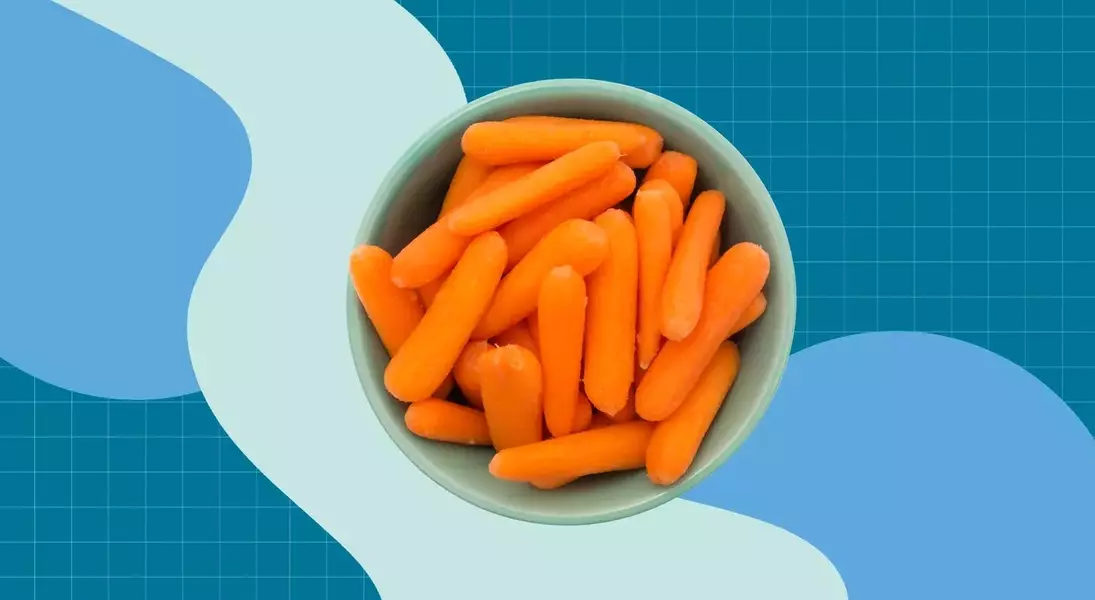
Baby carrots, those conveniently packaged, ready-to-eat vegetable sticks, are a familiar sight in lunchboxes and snack platters. Unlike their full-sized, often dry, counterparts, these smaller versions are consistently moist and sometimes exhibit a faint white film. This article explores the scientific reasons behind these observations, drawing upon insights from culinary professionals and food experts, shedding light on the processing and preservation techniques that define this popular produce item.
The Enigma of Moist Baby Carrots: A Deep Dive into Food Science
The ubiquity of pre-packaged baby carrots belies a sophisticated journey from farm to table. In 1986, a pioneering Californian farmer initiated the transformation of imperfect or broken full-grown carrots into these bite-sized pieces, a process driven by the desire to mitigate food waste. This innovative approach transformed what would otherwise be discarded produce into a convenient and appealing consumer product. Food scientist Jessica Gavin highlights that these 'baby-cut' carrots are not, as commonly perceived, immature carrots, but rather mature vegetables meticulously peeled, shaped, and repurposed. The peeling process, while creating uniform pieces, strips the carrots of their natural protective skin, rendering them susceptible to bacterial contamination and dehydration. To counteract these vulnerabilities, the carrots undergo rigorous washing, a mild chlorine rinse to eliminate pathogens like Salmonella and E. coli, and subsequent rinsing to remove any residual chlorine. Lindsey Schoenfeld, a registered dietitian, notes that this trade-off for convenience means baby carrots, once opened, tend to spoil more quickly than whole carrots. To maintain their crispness and prevent moisture loss after their protective layer has been removed, a small quantity of filtered water is intentionally added to the packaging, explaining their consistently wet appearance.
Beyond their moisture content, baby carrots occasionally develop a white blush. Chef Richard LaMarita explains that this harmless film is a natural consequence of the cut surface dehydrating. Storing them in a high-humidity environment, such as the water-filled bags, helps to minimize this aesthetic change. Experts advise discarding baby carrots if they become slimy, mushy, or develop dark spots, which are clear indicators of spoilage. For optimal quality, it is recommended to consume them within approximately one week of purchase, and storing them in an airtight container helps to reduce oxygen exposure, thus prolonging their freshness.
The journey of baby carrots, from field imperfections to convenient snack, exemplifies the ingenuity within our food systems. It underscores a continuous effort to optimize resource utilization and deliver appealing products to consumers. This exploration not only demystifies the dampness of baby carrots but also provides a glimpse into the broader context of food processing, emphasizing the balance between convenience, safety, and shelf-life. It prompts a thoughtful reflection on the intricate processes that ensure our food is both accessible and enjoyable.
