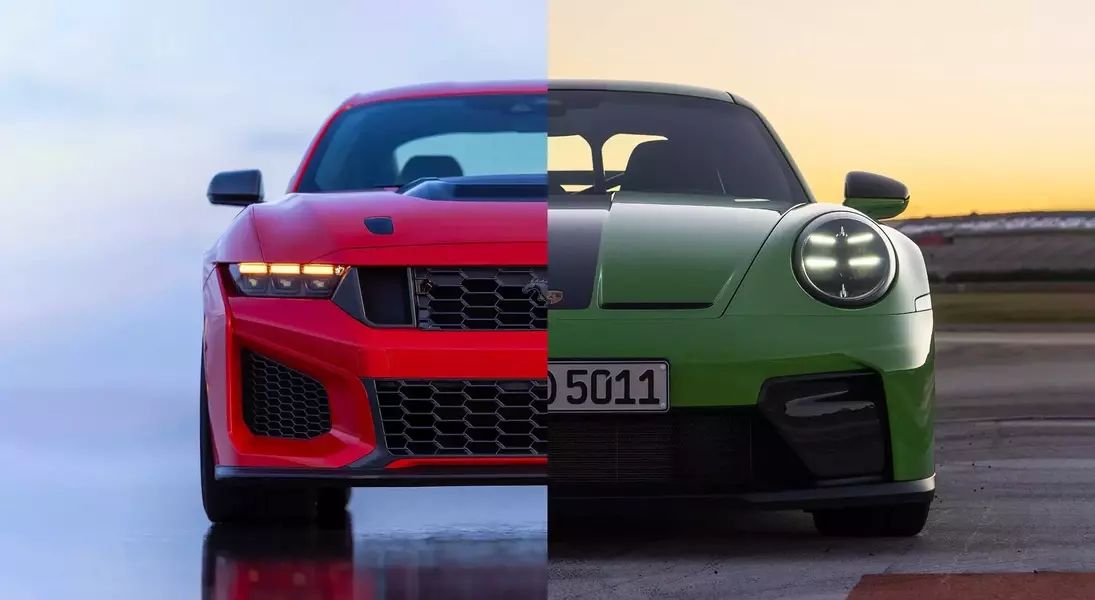
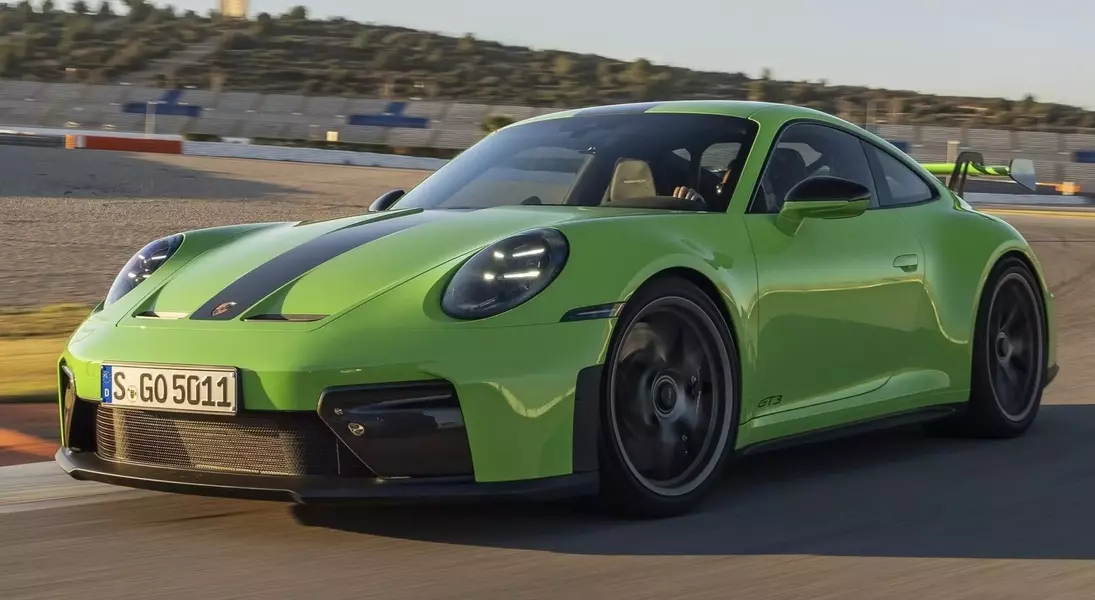
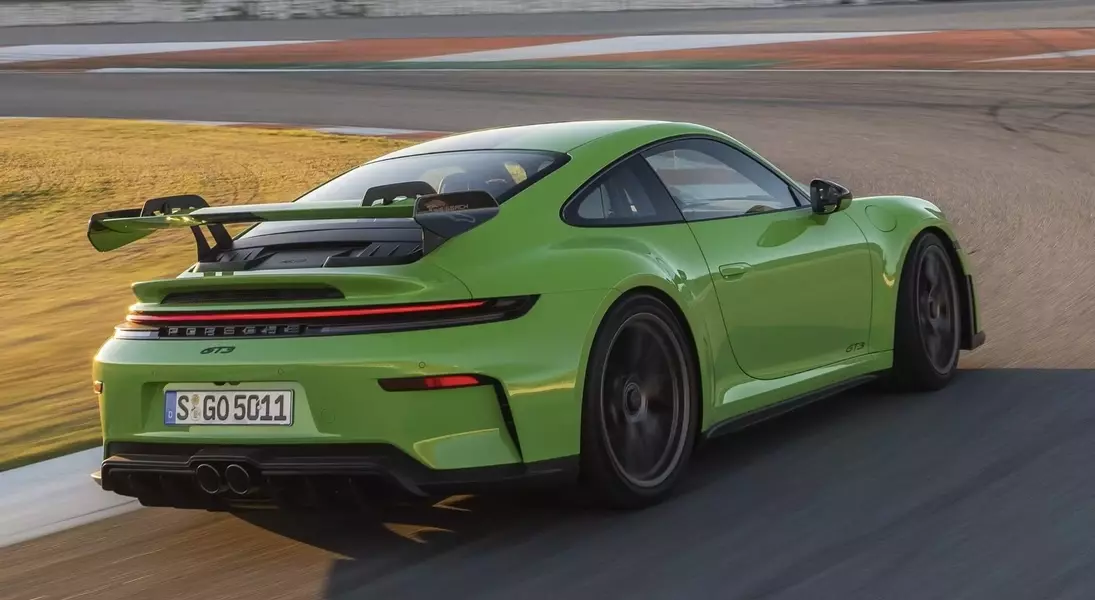
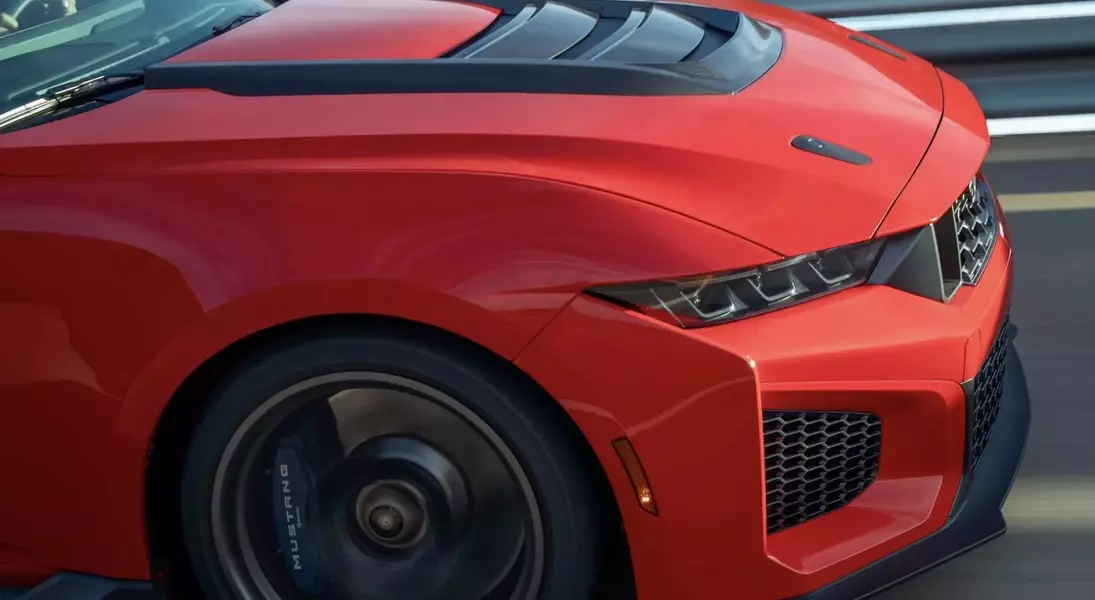
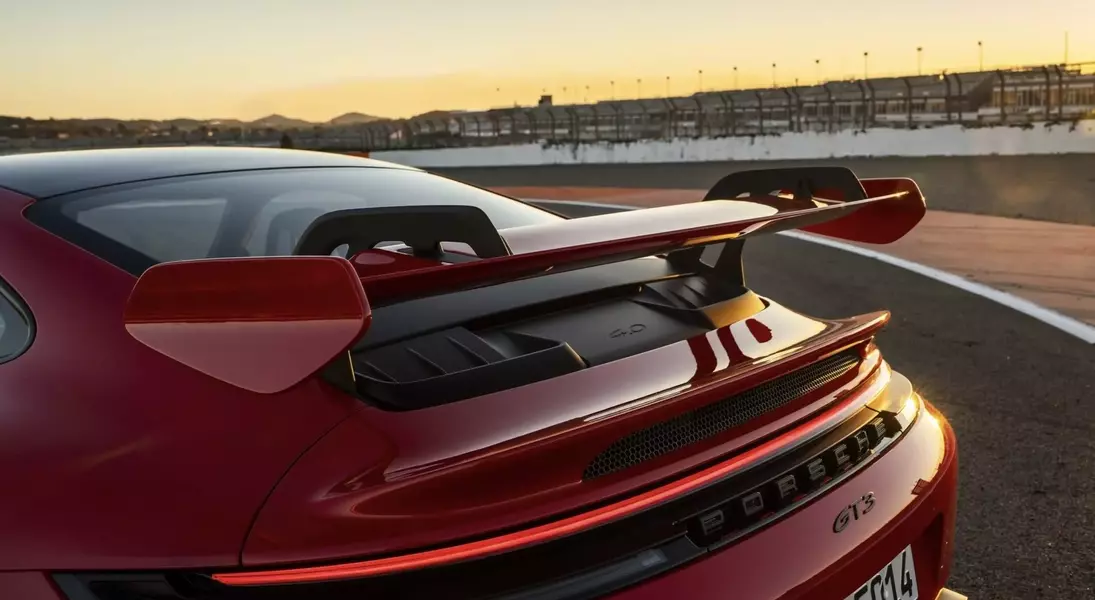
Two formidable track-focused machines, the Ford Mustang Dark Horse SC and the Porsche 911 GT3, are poised for an exhilarating rivalry. While both aim for supreme performance, they embrace fundamentally different engineering philosophies. This analysis highlights three key areas where these titans diverge, shaping their unique character and appeal.
Unleashing the Beasts: Ford's New Challenger Takes on Porsche's Icon
The Arrival of Ford's Ultimate Track Weapon
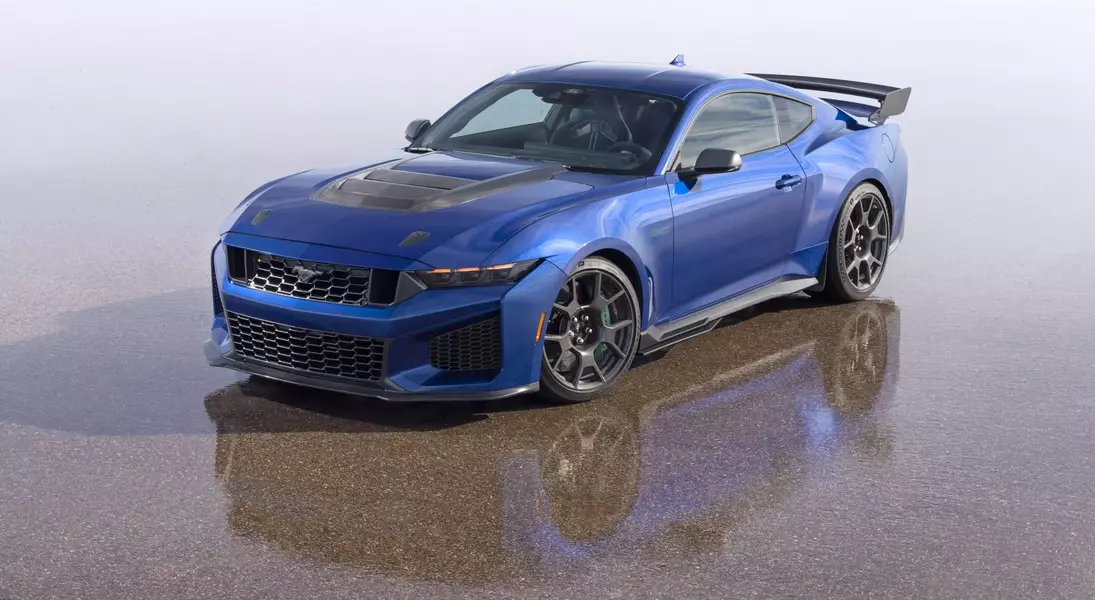
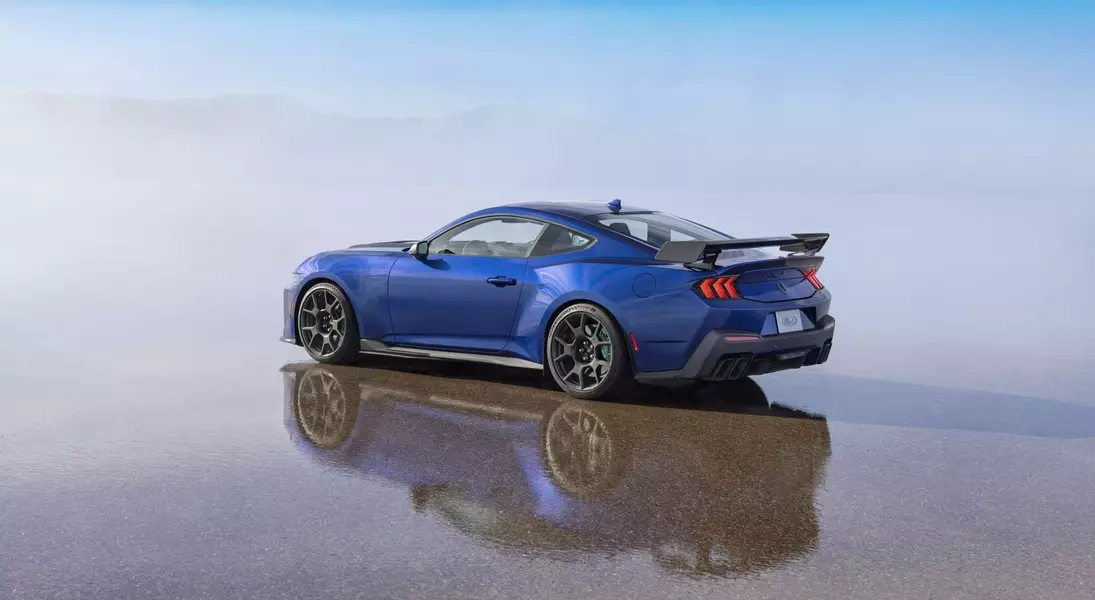
Ford has recently unveiled its latest track-oriented marvel, the Mustang Dark Horse SC. This new model is strategically positioned to bridge the performance gap between the standard Dark Horse and the more exclusive GTD variant. While its pricing remains under wraps, the Dark Horse SC is clearly aimed at challenging the dominance of the Porsche 911 GT3, a vehicle revered for its precision and exhilarating driving experience on both circuits and public roads. The subsequent sections will explore the core differences that define these two remarkable cars.
Power Dynamics: Supercharged V8 vs. High-Revving Flat-Six
The Mustang Dark Horse SC boasts a potent 5.2-liter supercharged V8 engine, known as the Predator. While Ford has yet to disclose the exact power output for this specific model, it is anticipated to be in the vicinity of the 760 horsepower produced by the previous Shelby GT500, though less than the 815 horsepower of the GTD, which shares the same engine. This V8 engine can achieve impressive rotational speeds, reaching up to 7,650 rpm. In stark contrast, the Porsche 911 GT3 utilizes a sophisticated 4.0-liter naturally aspirated flat-six engine. This unit distinguishes itself with an astonishing redline of 9,000 rpm, delivering 502 horsepower and 331 lb-ft of torque. Despite its lower power figures, Porsche's engineering prowess ensures exceptional performance. The GT3 can accelerate from 0 to 60 mph in a mere 3.2 seconds and reach a top speed of 194 mph. The Dark Horse SC's performance metrics are still awaited, but Ford has indicated it can generate 620 pounds of downforce at 180 mph with its Track Pack, suggesting a comparable top-speed capability.
Architectural Choices: Front-Engine vs. Rear-Engine Configurations
Beyond their distinct engine types, these vehicles employ contrasting powertrain layouts. The Ford Mustang Dark Horse SC adheres to a more traditional front-engine, rear-wheel-drive configuration. This setup, common in many performance cars, contributes to a balanced weight distribution. Conversely, the Porsche 911 GT3 maintains its signature rear-engine, rear-wheel-drive design. This layout, a hallmark of the 911 series for six decades, offers unique advantages. By placing the engine's weight over the driven wheels, the GT3 benefits from enhanced traction, particularly during aggressive acceleration and in adverse weather conditions. Furthermore, this rearward weight bias improves braking efficiency by allowing greater force to be applied to the rear wheels. The absence of a front engine also permits a lower, more aerodynamic nose design, optimizing airflow. Ultimately, the effectiveness of either layout hinges on the meticulous tuning and integration by the respective engineering teams.
The Manual Transmission Advantage: A Nod to Driving Purity
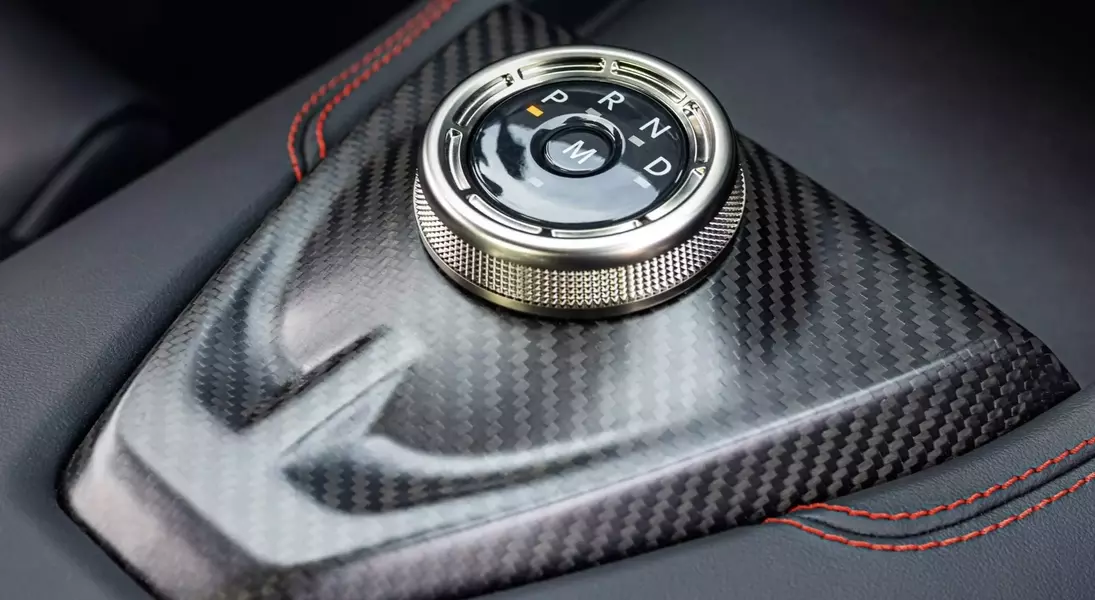
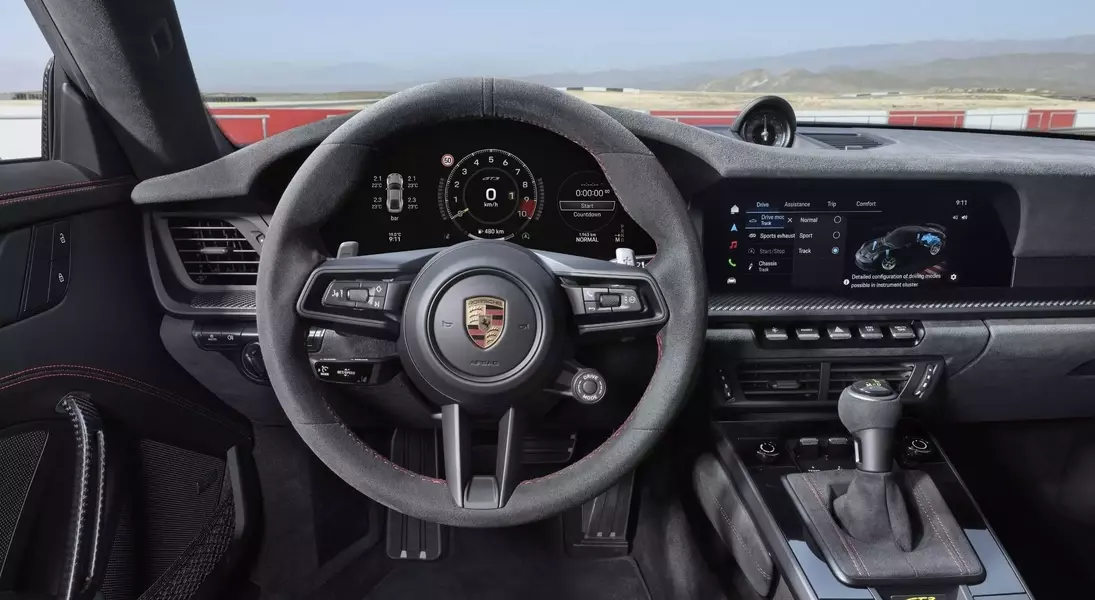
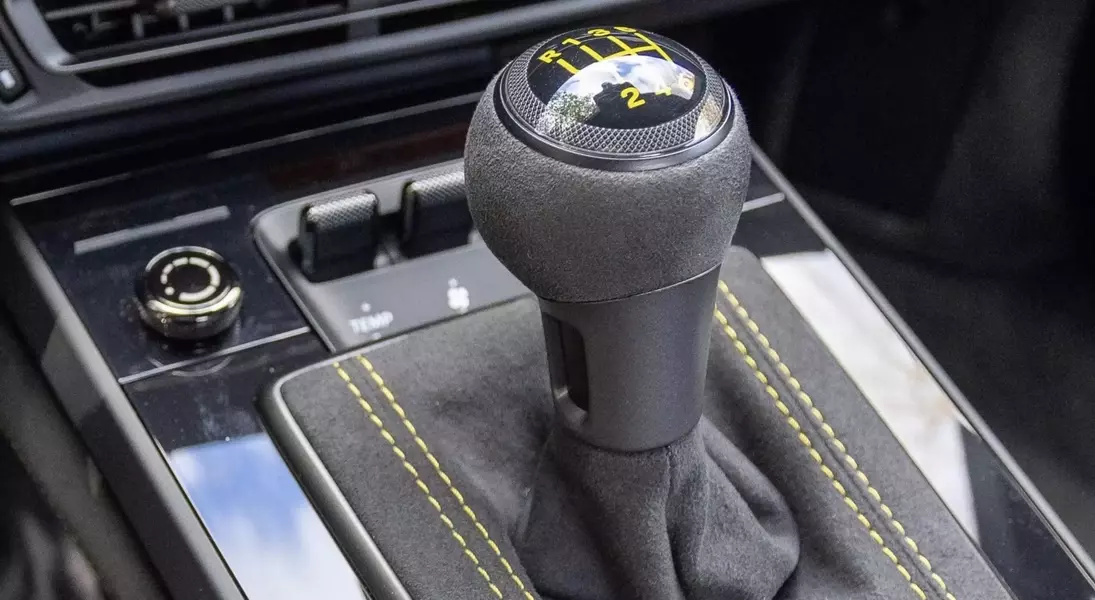
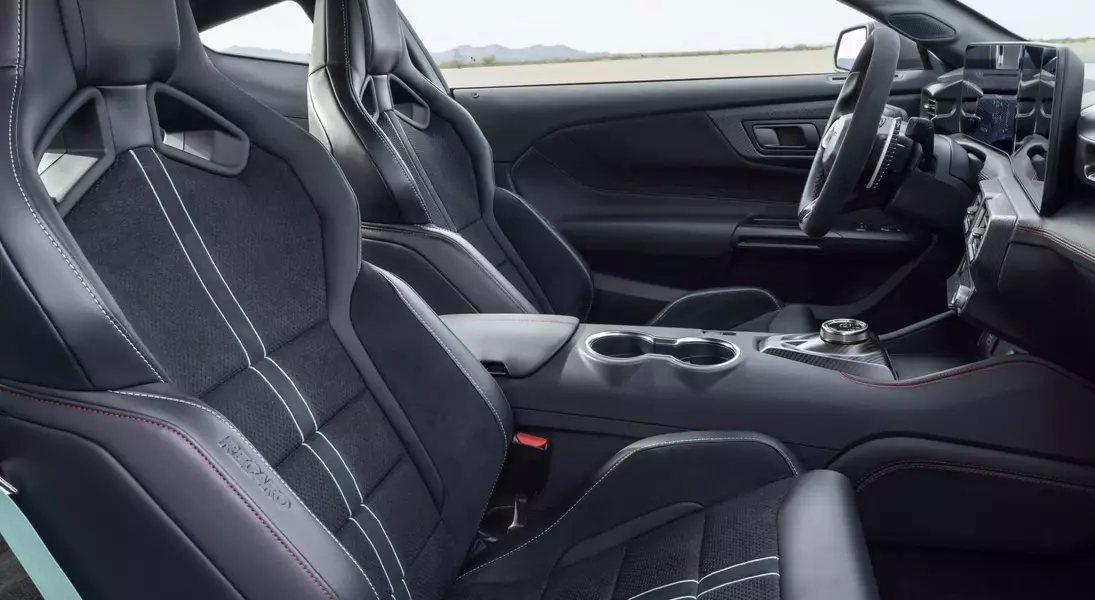
The Porsche 911 GT3 offers a driving experience celebrated for its analog purity, largely due to its high-revving naturally aspirated engine and responsive steering. A significant factor contributing to this immersive experience is the availability of a six-speed manual gearbox. While opting for the manual transmission slightly extends the 0-60 mph acceleration time to 3.7 seconds, it provides a level of driver engagement that is often prioritized by enthusiasts over raw speed. The GT3's manual shifter is lauded for its precision, enhancing the overall enjoyment. For those seeking quicker shifts, a seven-speed dual-clutch automatic transmission is also an option. In contrast, the Mustang Dark Horse SC is exclusively offered with a Tremec seven-speed dual-clutch automatic transmission. This gearbox, likely refined for the SC's specific performance requirements, promises rapid gear changes via paddle shifters, a crucial feature for maintaining pace with the GT3 on the track.
Reflecting on the Contenders: A Confluence of Engineering Excellence
Despite their shared goal of track dominance, the Ford Mustang Dark Horse SC and the Porsche 911 GT3 are profoundly different machines. The Dark Horse SC's supercharged V8 delivers a distinctive character compared to the GT3's free-revving flat-six, yet both promise an exhilarating journey. The Mustang originates from a more mainstream pony car lineage, whereas even the entry-level 911 is built upon a foundation of dedicated sports car engineering. Nevertheless, Ford's extensive modifications to the SC, especially with the optional Track Package, hint at its potential to challenge, and perhaps even surpass, the venerable Porsche in certain performance metrics. The impending showdown between these two vehicles will undoubtedly be a thrilling spectacle for automotive enthusiasts.
