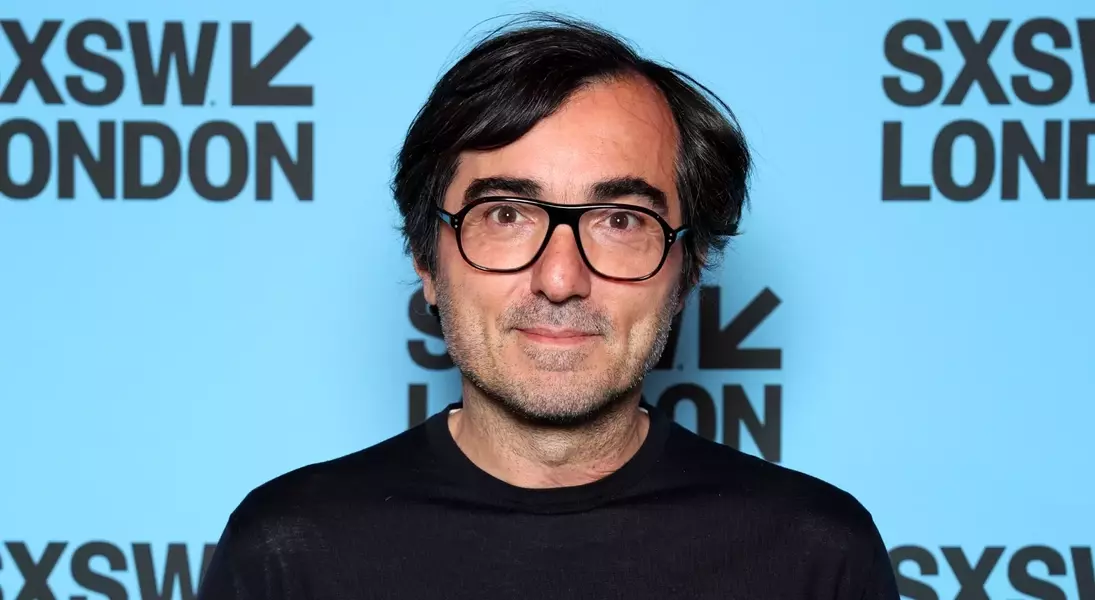
Mubi, the renowned arthouse film distributor, has found itself at the center of a significant controversy following an open letter from a collective of over 35 prominent filmmakers. This letter raised serious concerns about Mubi's recent $100 million investment from Sequoia Capital, a venture capital firm with reported ties to the Israeli military. In response, Mubi's CEO and founder, Efe Cakarel, has issued a comprehensive statement addressing these concerns, unequivocally stating that the company's work is not connected to funding military conflicts and reaffirming Mubi's commitment to artistic independence and ethical practices.
The controversy underscores the growing scrutiny over the ethical implications of financial partnerships in the arts and cultural sector. Filmmakers, including notable figures like Joshua Oppenheimer and Radu Jude, expressed discomfort with Mubi's association with an investor linked to military activities, arguing that such ties compromise the distributor's purported values. This incident highlights the complex challenges faced by cultural institutions in navigating diverse financial landscapes while upholding their core principles and maintaining trust with their creative communities and audience.
Mubi's Stance on Investor Ties and Ethical Conduct
Mubi's CEO, Efe Cakarel, directly addressed the concerns raised by the filmmaking community regarding Sequoia Capital's investment. He clarified that Mubi's financial growth is not linked to funding any military activities, stating that the profits generated by Mubi are not used to fund other companies within Sequoia's portfolio, particularly those with military connections like Kela. Cakarel emphasized that Mubi's returns are distributed to Sequoia's limited partners, which include various institutions, and not directed towards military-related businesses. He also distanced Mubi from the controversial social media statements of Sequoia partner Shaun Maguire, asserting that Maguire has no operational or strategic involvement with Mubi and his views are not endorsed by the company. Cakarel reiterated Mubi's strong condemnation of all actions that harm innocent civilians and its unwavering support for peace and human dignity.
In his letter, Cakarel detailed Mubi's commitment to ethical transparency and accountability. He announced the formalization of an Ethical Funding and Investment Policy, set to be published for public consultation, which will establish clear criteria for future funding partners and ensure safeguards to separate investor interests from Mubi's editorial and commissioning decisions. Furthermore, Mubi will establish an independent Artists Advisory Council composed of filmmakers, artists, and human rights experts. This council will provide ongoing guidance on Mubi's values and responsibilities, ensuring that the company's practices align with its mission. Mubi is also expanding its support for artists at risk by creating a dedicated fund to commission, host residencies, and restore projects, specifically focusing on filmmakers affected by conflict, displacement, or censorship, including Palestinian artists, demonstrating a proactive approach to address the broader humanitarian context.
Enhancing Governance and Supporting Artistic Freedom
As a minority investor, Sequoia Capital has minimal involvement in Mubi's operations. Cakarel asserted his position as the largest shareholder, retaining full control over all business and curatorial decisions, ensuring that Sequoia has no oversight or authority over Mubi's programming, editorial choices, or financial management. This structural clarity aims to reassure the community that Mubi's artistic independence remains uncompromised despite the investment. The CEO's transparent communication seeks to build trust and demonstrate Mubi's dedication to its founding principles.
Mubi's proactive measures to implement an Ethical Funding and Investment Policy and establish an independent Artists Advisory Council signify a robust commitment to responsible governance and artistic freedom. These initiatives are designed to foster transparency, accountability, and ethical considerations in all future financial and operational decisions. The policy will establish rigorous criteria for selecting funding partners, while the advisory council will offer expert guidance on ethical matters and ensure that Mubi's operations align with its core values. By dedicating a fund to support artists at risk, particularly those from regions affected by conflict, Mubi is not only reinforcing its commitment to diverse voices but also actively contributing to the preservation and promotion of cinema under challenging circumstances. These comprehensive steps aim to maintain Mubi's integrity and its mission to elevate independent cinema globally, fostering an environment where filmmakers and audiences can connect without ethical compromise.
