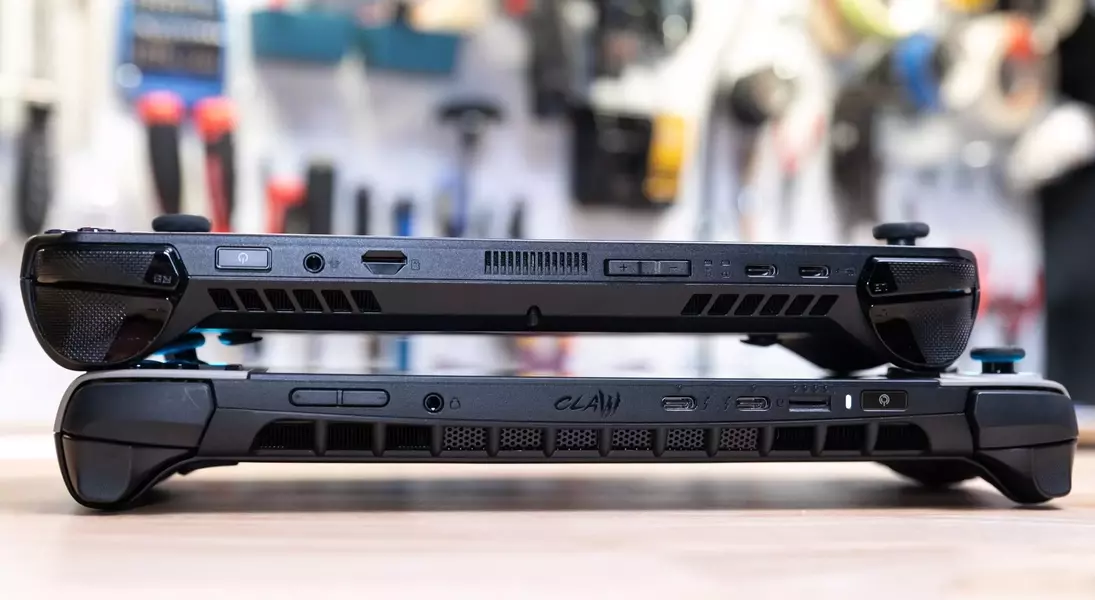
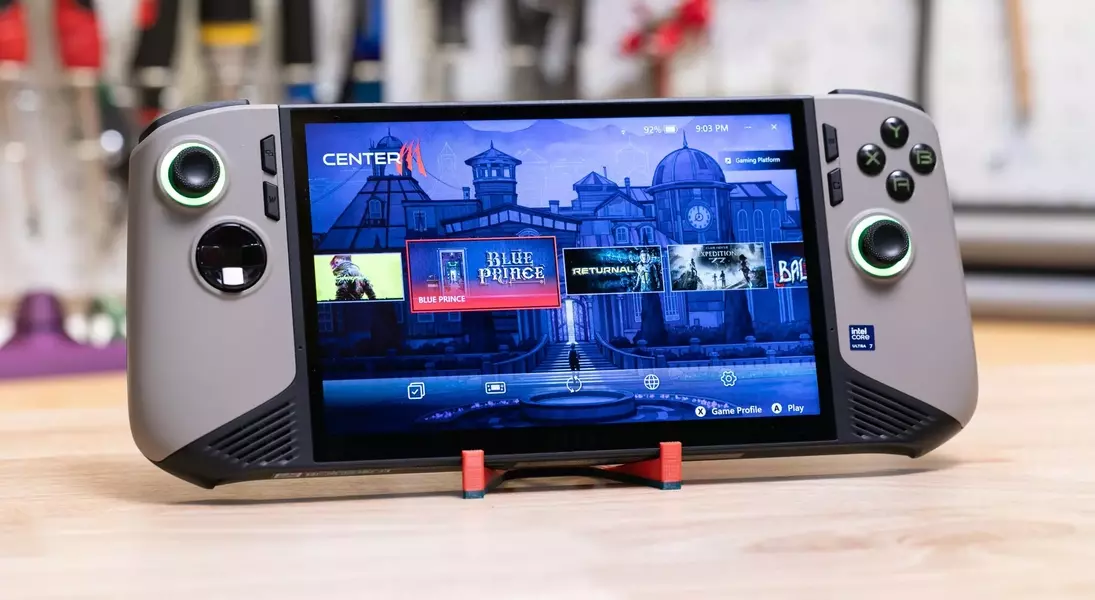
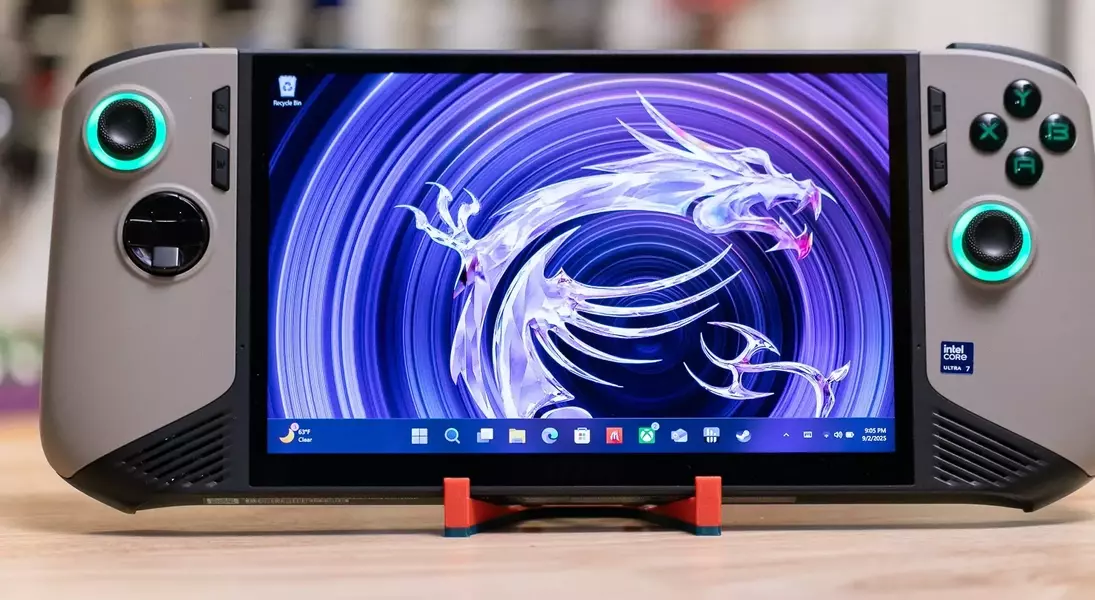
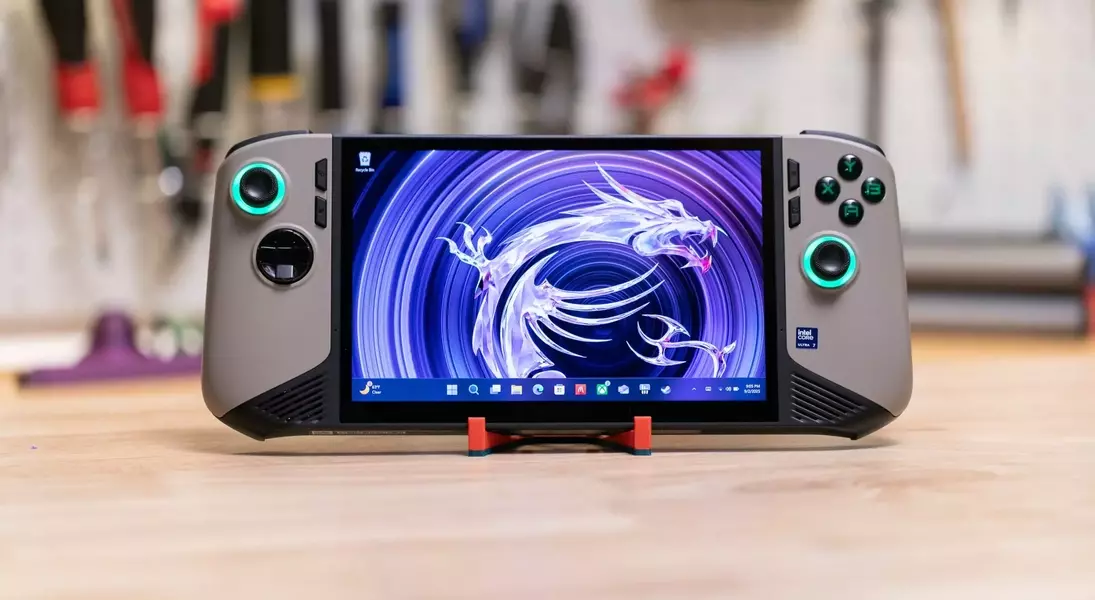
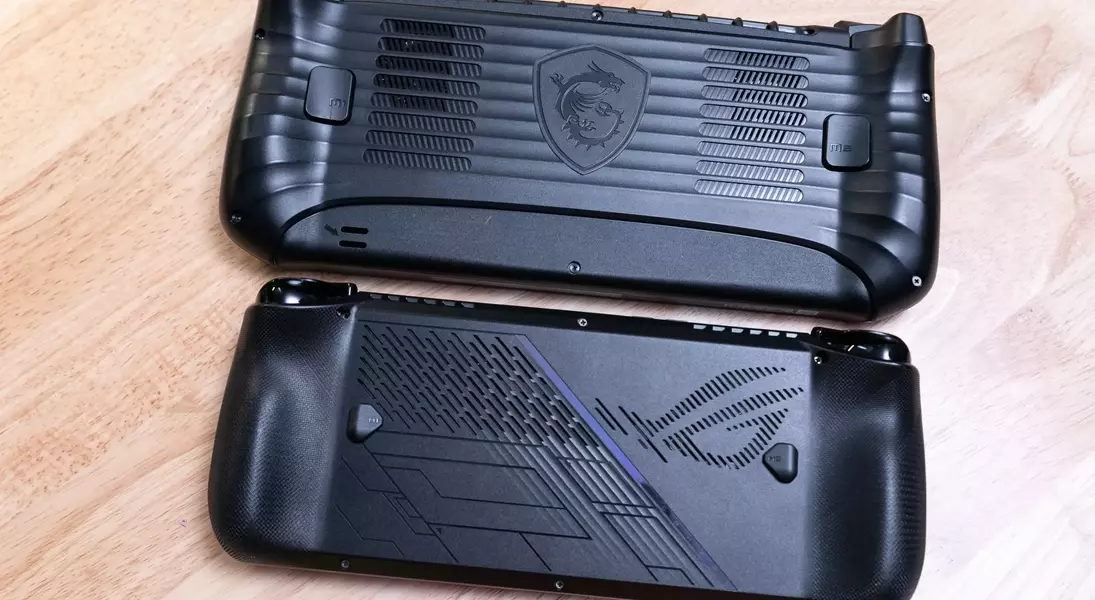
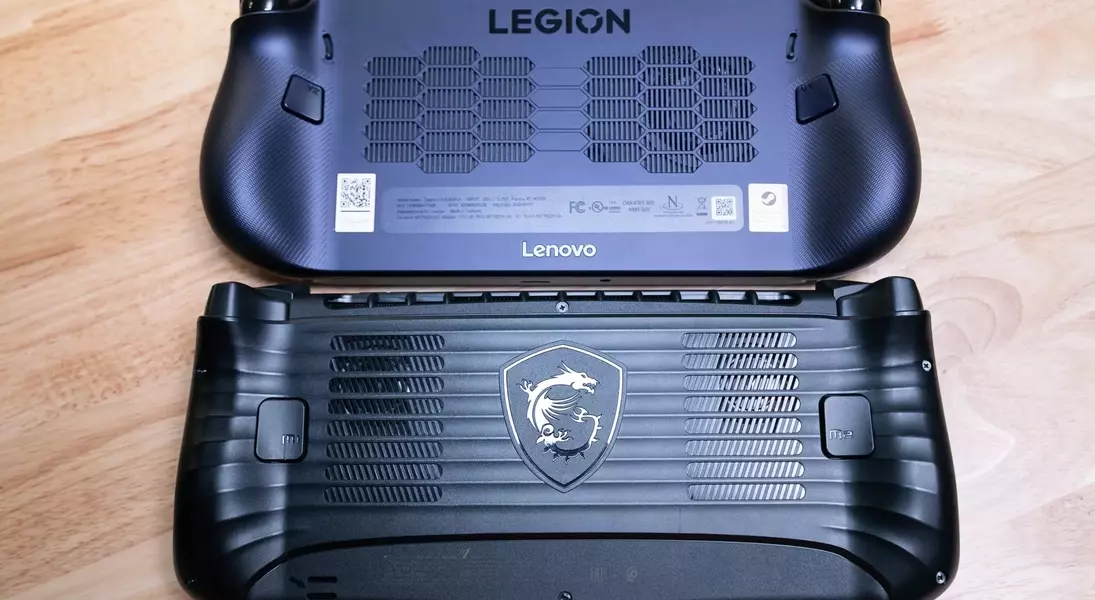
The landscape of handheld gaming has witnessed a dramatic shift, particularly with the unexpected resurgence of MSI's portable devices. A previous model, once dismissed as a significant disappointment, has paved the way for an extraordinary successor that defies initial perceptions and redefines expectations for Windows-based handheld gaming.
Experience the Rebirth of Handheld Gaming: MSI Claw 8 AI Plus - Beyond Expectation, Unrivaled Performance.
From Disappointment to Dominance: The Remarkable Evolution of MSI's Handheld Gaming Device
The original MSI Claw was met with harsh criticism, labeled by many, including this reviewer, as a considerable letdown in the handheld gaming sphere. This initial failure even led to a temporary blacklisting by MSI. However, the company has orchestrated a stunning turnaround. The new MSI Claw 8 AI Plus, leveraging Intel's Lunar Lake architecture, offers a performance leap so significant that it can be up to twice as fast as its predecessor in various titles. Coupled with crucial driver updates that have boosted its capabilities by nearly a third since release, this $1,000 device is now a formidable competitor, potentially the premier Windows handheld available.
Unparalleled Immersion: The Claw 8's Impact on Modern Gaming Experiences
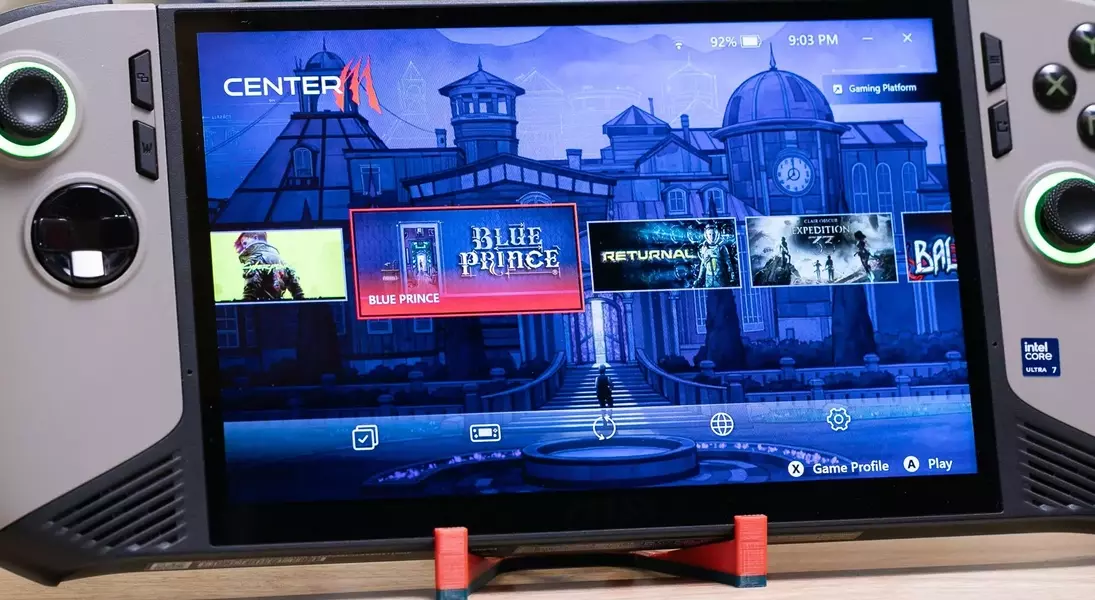
Since its arrival, the Claw 8 has seamlessly integrated into my daily gaming routine. Its ability to fluidly render the intricate visuals of games like Clair Obscur: Expedition 33 and Blue Prince stands out, often making me reluctant to switch to other handhelds in my collection. This preference highlights the device's exceptional performance and display quality, offering a truly captivating gaming experience that keeps users engrossed.
Navigating the Windows Landscape: A Surprising Improvement in User Experience
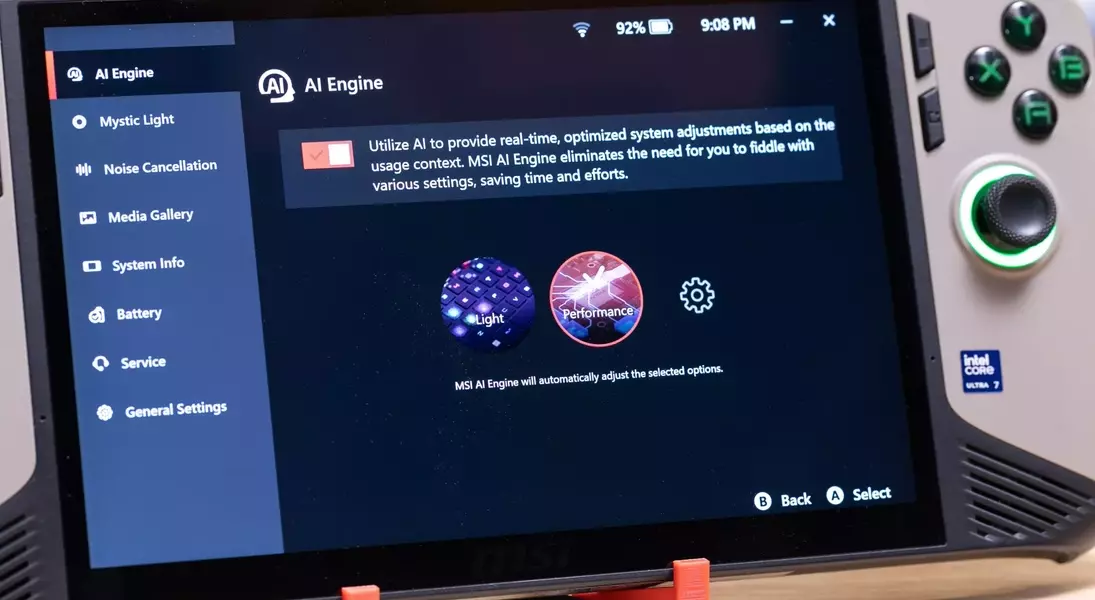
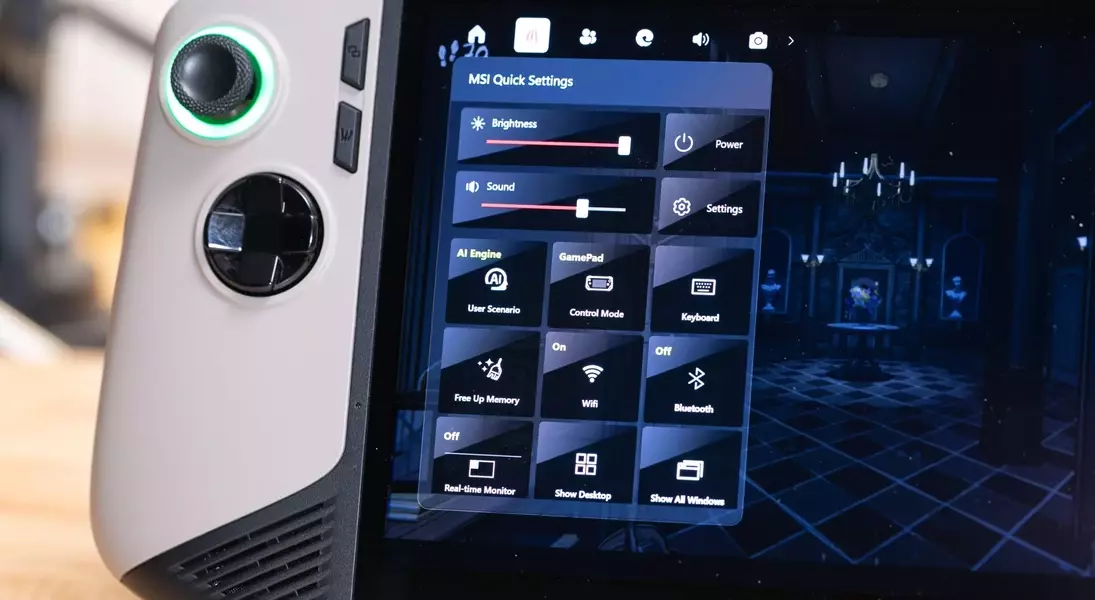
Despite my reservations about Windows on handheld devices, primarily due to Windows 11's inherent bloat, intrusive upsells, and often unreliable sleep functionality, the MSI Claw 8 with Intel's Lunar Lake surprisingly mitigates many of these issues. The setup process, notoriously time-consuming on Windows, was remarkably swift, taking mere minutes to reach the desktop, a stark contrast to the usual lengthy procedure filled with unwanted solicitations. Furthermore, the integration of MSI's quick settings within the Xbox Game Bar, while initially sluggish, improved significantly after adjusting power settings, hinting at a potentially smoother future for Windows handhelds, possibly aligning with Microsoft's forthcoming Xbox-integrated OS.
Performance Redefined: Benchmarks Showcase the Claw 8's Superiority
The performance metrics of the MSI Claw 8 AI Plus demonstrate a clear leap forward. Compared to its previous iteration and even competing models like the Asus ROG Ally X and Lenovo Legion Go S, the Claw 8 shows substantial gains in frame rates across various games, particularly at higher TDP settings. For instance, in AC Valhalla, it achieves 66 fps at 15-watt TDP, outperforming the ROG Ally X. This enhanced processing power, especially at a 30-watt TDP, provides a noticeable advantage, allowing for smoother gameplay and a more enjoyable experience without compromising battery longevity.
Endurance King: The Claw 8's Exceptional Battery Life Advantage
Beyond raw power, the MSI Claw 8 AI Plus excels in battery efficiency. Its large 80-watt-hour battery, combined with Intel's Lunar Lake chip, allows it to deliver superior performance while often consuming less power than its rivals. In endurance tests, the Claw 8 consistently outlasts competitors, offering more playtime even when pushing the hardware to its limits. This remarkable balance of power and efficiency sets a new standard for handheld devices, though some minor issues, like inconsistent rumble feedback and the need for manual driver updates, remain. Despite these small drawbacks, the Claw 8 AI Plus stands as a leading contender, though its premium price point and the impending release of the Microsoft-Asus Xbox Ally suggest a dynamic future for the handheld gaming market.
Understanding Power Consumption: TDP vs. Total Battery Drain in Handheld Gaming
In handheld gaming, it is crucial to differentiate between a device's Thermal Design Power (TDP) and its overall battery consumption. TDP indicates the maximum heat a processor is designed to dissipate, which directly correlates with its power usage and, consequently, its performance. Modern handhelds offer the flexibility to adjust the processor's TDP on the fly, allowing users to prioritize either raw power for demanding games or extend battery life for less intensive titles. However, the total battery drain encompasses all components of the device, including the screen and storage, meaning a higher TDP doesn't always directly equate to a proportionately faster battery depletion. For optimal battery longevity without sacrificing too much performance, the key is to look for devices that offer a high frame rate per watt consumed.
