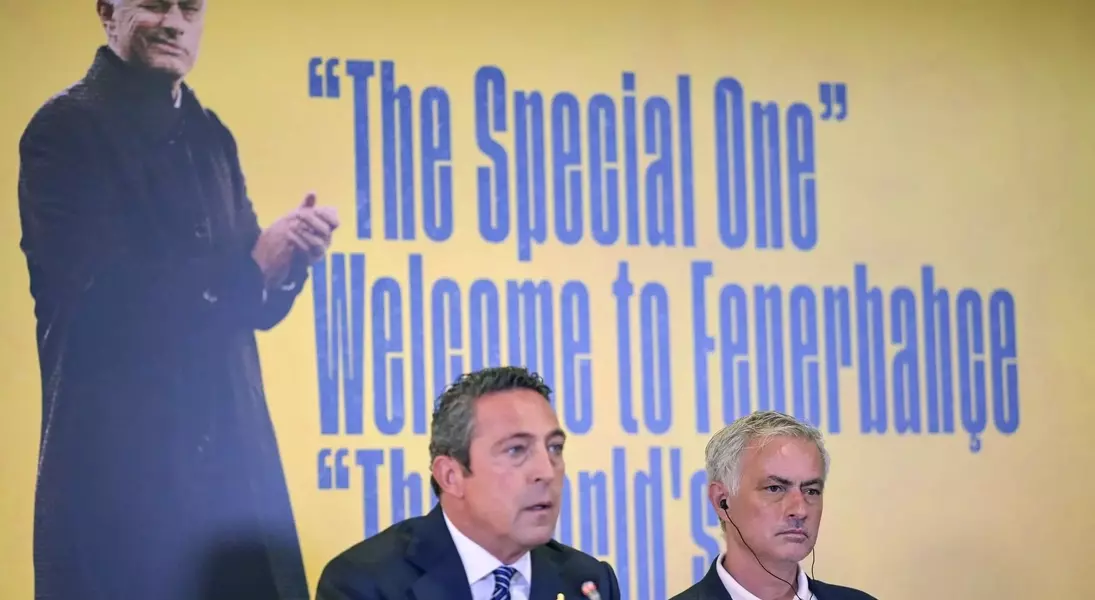
Jose Mourinho's recent departure from Fenerbahce, after a 14-month spell, highlights a turbulent period marked by both on-field struggles and significant off-field controversies. His dismissal, announced shortly after a Champions League qualifying defeat, came amidst growing tensions with the club's hierarchy and a perception of disdain for Turkish football. Despite initial surprise from some within the club, the underlying issues of transfer policy disagreements, public criticisms, and a series of disciplinary incidents created an unsustainable environment. This development reflects a broader pattern of short-lived tenures for coaches at Fenerbahce and underscores the club's ongoing quest for stability and success, particularly in the face of Galatasaray's recent dominance.
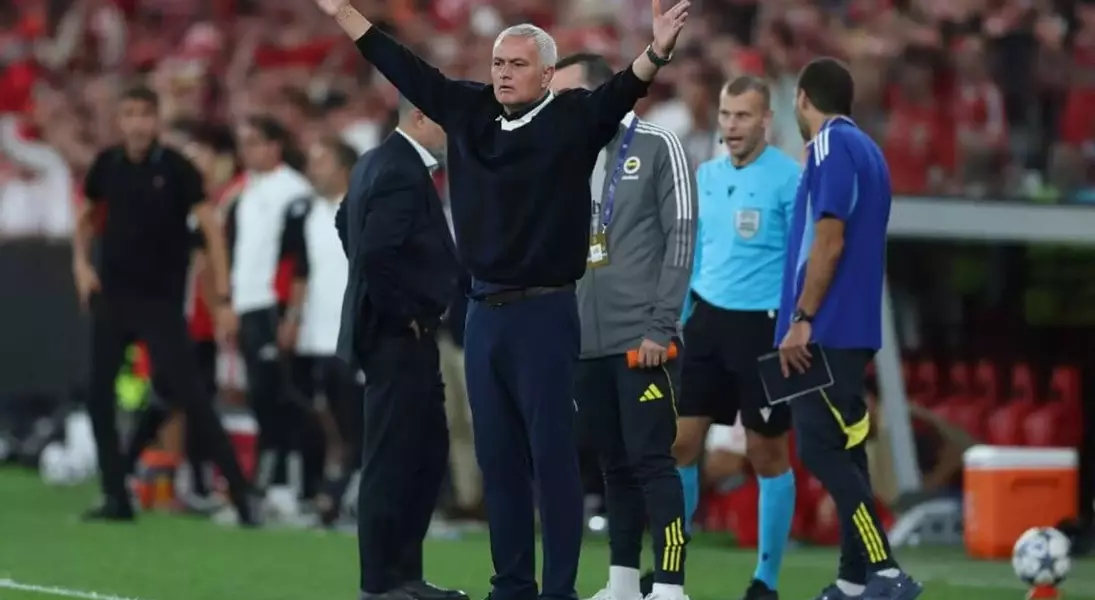
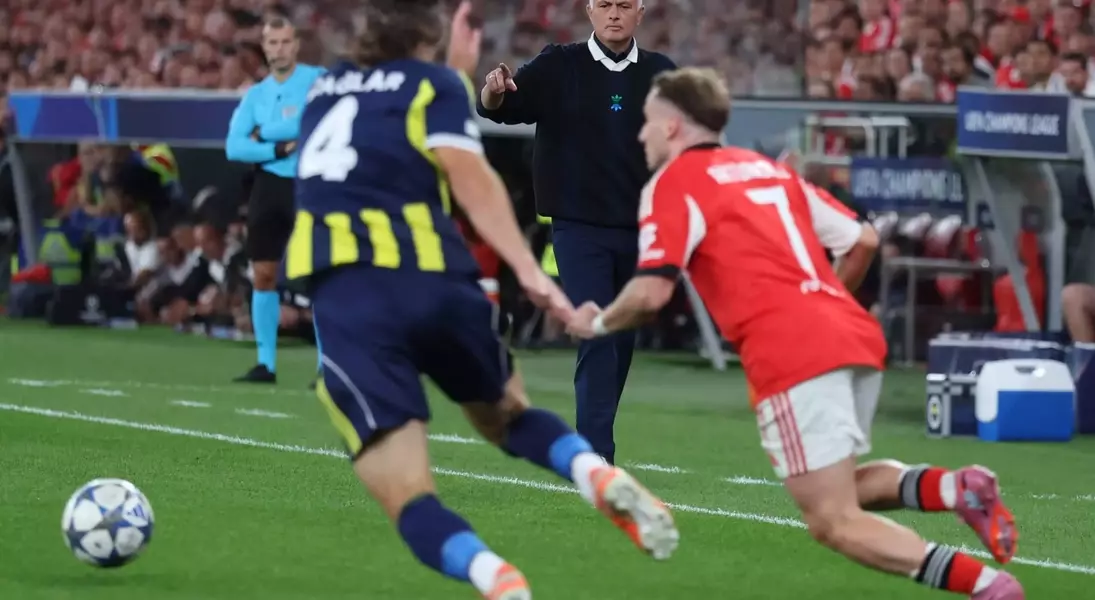
The catalyst for Mourinho's exit appeared to be the team's elimination from the Champions League qualifiers, following a 1-0 loss to Benfica. This failure extended Fenerbahce's long absence from the group stages, a significant blow given the club's aspirations. While Mourinho attempted to downplay the setback by suggesting a greater chance of success in the Europa League, the result amplified existing pressures. Beyond the immediate sporting outcome, his increasingly strained relationship with the club's leadership became a critical factor. Mourinho openly criticized Fenerbahce's transfer strategy, or perceived lack thereof, implying that the club had not invested sufficiently to compete effectively. These public pronouncements were seen by some insiders as a calculated effort to distance himself from the club's shortcomings and position himself above the institution.
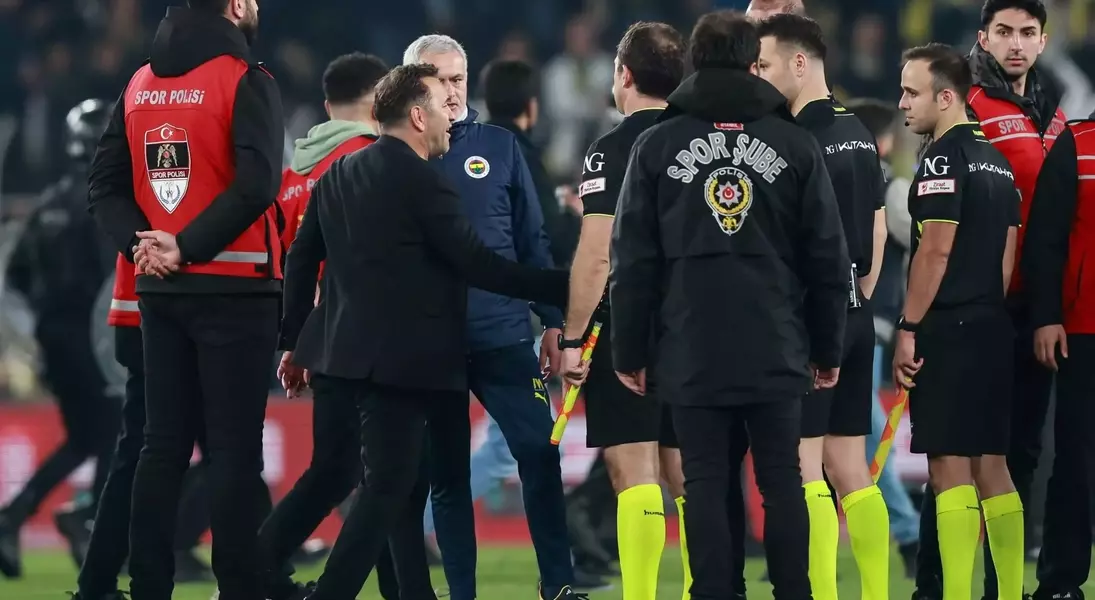
Furthermore, Mourinho's conduct often drew headlines for reasons beyond football. His various altercations with opponents, including a touchline ban for accusing Galatasaray coaches of "jumping around like monkeys" and a suspension for a physical confrontation with Galatasaray coach Okan Buruk, contributed to an image of perpetual conflict. These incidents, alongside his frequent complaints about referees, were interpreted as a consistent pattern of behavior that indicated a sense of superiority over Turkish football as a whole. This attitude was particularly evident after a defeat to Hatayspor, when Mourinho controversially stated he had reached more European finals in seven years than Turkish football had in its history, a comment widely deemed disrespectful.
The team's playing style under Mourinho also drew criticism. Unlike his predecessor, Ismail Kartal, who was credited with an attractive, attacking brand of football, Mourinho's tactical approach was often described as pragmatic and uninspiring. This, coupled with the team's inability to challenge Galatasaray for the league title, contributed to a noticeable decline in fan engagement, with significantly reduced attendances at home matches by the end of last season. The decision to part ways with Mourinho was ultimately made by club president Ali Koc and sporting director Devin Ozek. Interestingly, Fenerbahce's stock market value reportedly increased following the announcement of Mourinho's departure, suggesting a positive market reaction to the change.
Mourinho's extended stay, defying the typical short tenure for Fenerbahce managers who fail to win the league, was largely attributed to his high profile and Koc's efforts to project an image of stability. His appointment had been instrumental in Koc's re-election as president. However, Koc's own position has become increasingly precarious, facing unpopularity among the fanbase and the resignation of key allies. With a new election for club members likely in September, the hope is that Mourinho's successor can deliver immediate success, potentially influencing Koc's political fortunes. Yet, the question of Mourinho's next destination remains, with speculation linking him to various roles, signifying his continued appeal despite the acrimonious end to his time in Turkey.
Ultimately, the saga of Jose Mourinho and Fenerbahce, while initially appearing to be a potentially perfect match, concluded in an all too predictable fashion. The inherent tensions between Mourinho's strong personality and the club's internal dynamics, exacerbated by on-field disappointments and public disagreements, made the relationship unsustainable. His departure underscores the challenges faced by high-profile managers in navigating the unique pressures and expectations of Turkish football, and leaves Fenerbahce to once again seek a new direction in its quest for domestic and European prominence.
