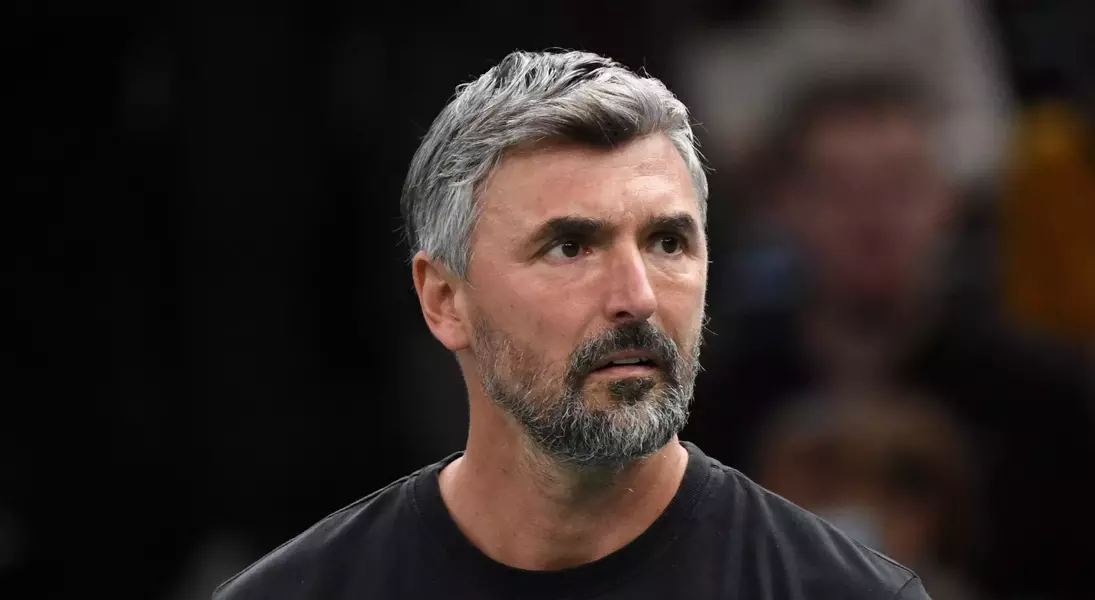
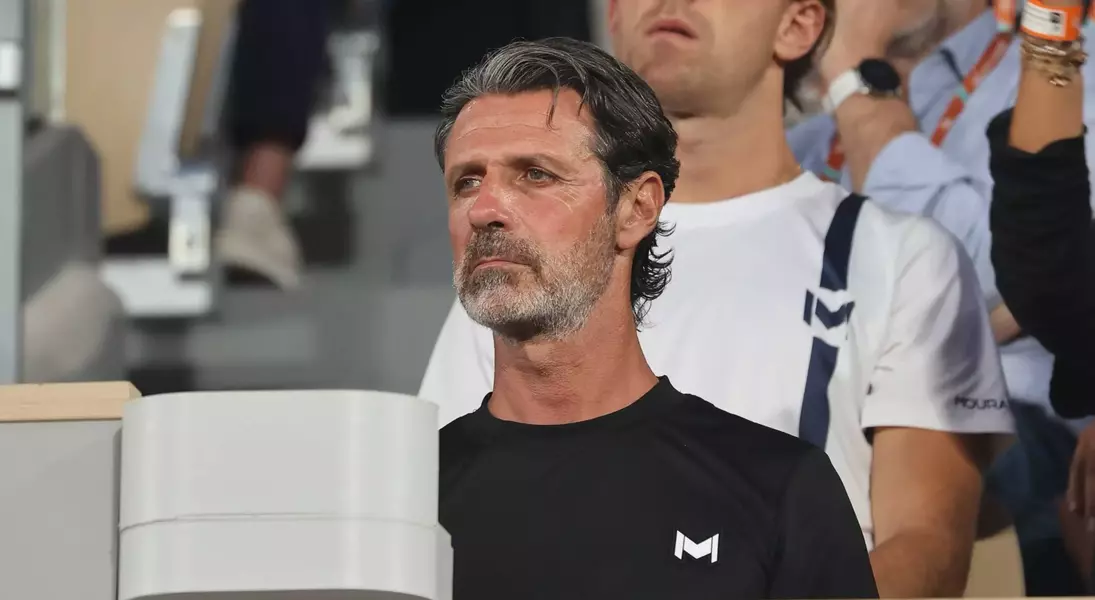
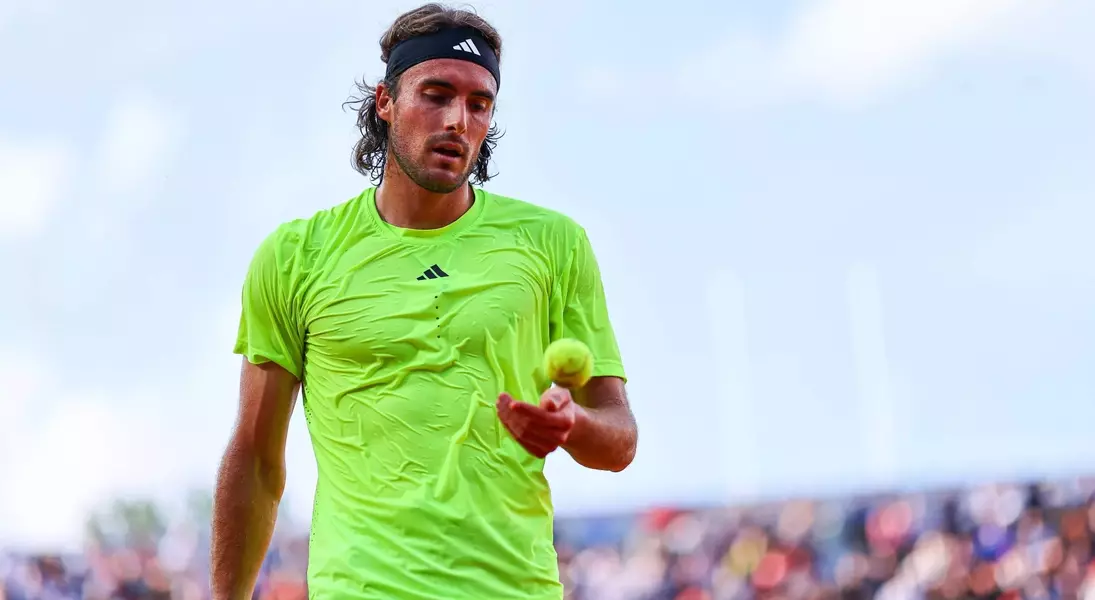
The tennis world is abuzz with a contentious exchange between two prominent coaches, Patrick Mouratoglou and Goran Ivanisevic, regarding the performance and professional conduct of Stefanos Tsitsipas. This dispute highlights a fundamental difference in coaching philosophies, specifically concerning the public criticism of athletes. Mouratoglou firmly believes that a coach's role is to foster trust and provide unwavering support, especially during challenging periods, rather than publicly exposing a player's vulnerabilities or shortcomings. His stance underscores the importance of a confidential and supportive coaching environment, essential for a player's mental and athletic development. In contrast, Ivanisevic's candid and harsh public assessment of Tsitsipas's current form and dedication has ignited a debate about the boundaries of a coaching relationship and the potential ramifications of such transparency.
This incident also casts a spotlight on Stefanos Tsitsipas's recent struggles on the court. His string of early exits from major tournaments, culminating in a Wimbledon retirement due to injury, has seen his ranking drop significantly. Amidst these difficulties, the appointment of Ivanisevic as his new coach was anticipated to bring about a positive turnaround. However, the ensuing public critique from his newly appointed mentor suggests a deeper discord or a drastic strategic approach that deviates from conventional coaching norms. The contrasting views of these seasoned coaches not only reveal differing perspectives on athlete management but also provoke broader questions about accountability, trust, and resilience within the highly competitive realm of professional sports.
The Essence of Effective Coaching: Trust and Support
Patrick Mouratoglou, a highly respected figure in tennis coaching, has openly challenged Goran Ivanisevic's decision to publicly lambaste Stefanos Tsitsipas. Mouratoglou emphasized that true coaching is about nurturing a player's potential and building a robust foundation of trust, not about exposing their weaknesses to the public. He argues that a coach should act as a pillar of strength, offering guidance and encouragement, especially when a player is navigating a rough patch in their career. Publicly critiquing a player, according to Mouratoglou, undermines this essential trust and can be detrimental to the athlete's morale and performance.
Mouratoglou's philosophy posits that the coaching relationship is akin to a partnership, where both parties are 'in the same boat'. He believes that a coach's primary responsibility is to understand the player's behaviors and provide constructive assistance, rather than passing judgment. His disapproval of Ivanisevic's comments stems from the conviction that such remarks betray the inherent trust required in a coaching dynamic and can lead to a breakdown in their professional alliance. Mouratoglou, drawing from his extensive experience, including his current role with Naomi Osaka, advocates for a supportive and confidence-building approach, asserting that public shaming is counterproductive to a player's development and mental well-being on the demanding professional circuit.
Navigating Public Scrutiny and Performance Challenges
Stefanos Tsitsipas has been experiencing a downturn in his professional tennis career, marked by disappointing performances in recent Grand Slams and a significant drop in his ATP ranking. His recent retirement from Wimbledon due to a back injury further compounded these challenges, contributing to a substantial number of defeats this year. In an attempt to reverse this trend, Tsitsipas brought Goran Ivanisevic into his coaching team. However, Ivanisevic's subsequent comments to the Serbian media, criticizing Tsitsipas's lack of commitment and preparation, have added an unexpected layer of complexity to an already difficult situation.
Ivanisevic's candid remarks, suggesting that Tsitsipas needs to resolve "off-court issues" and implying a lack of genuine effort despite expressed desires to return to top form, have ignited a firestorm of controversy. The former Wimbledon champion's assertion that he is "three times fitter" than Tsitsipas, even with a knee issue, was particularly cutting. This public display of dissatisfaction from a coach towards his player has raised serious questions about the sustainability of their partnership and the impact on Tsitsipas's psychological state. The contrasting approaches of Mouratoglou, who prioritizes discreet support, and Ivanisevic, who favors direct public confrontation, illustrate the diverse and sometimes conflicting methodologies employed in high-stakes professional sports coaching.
