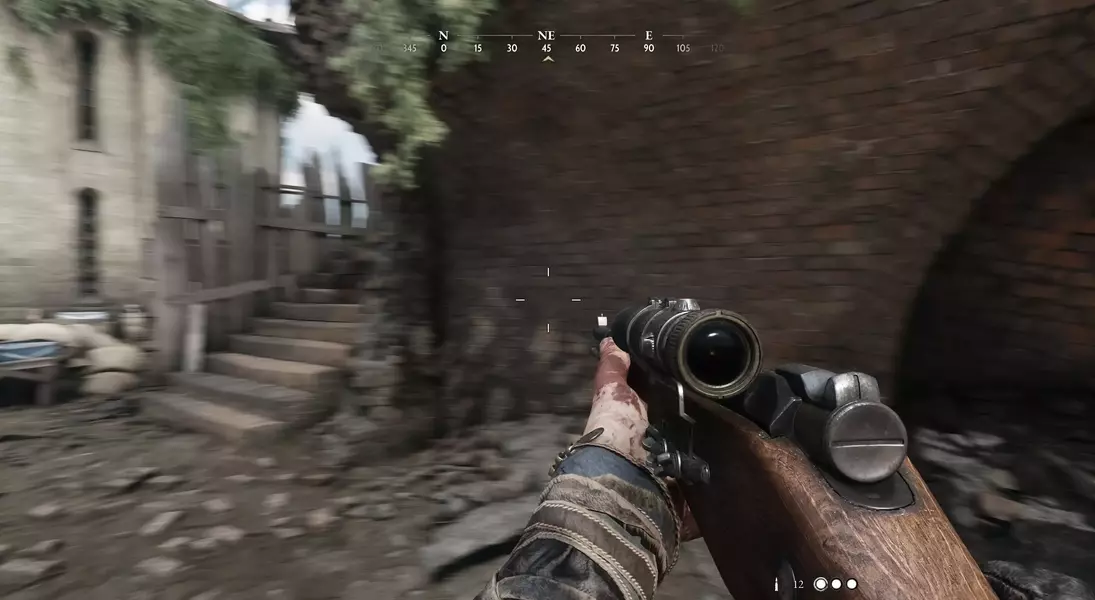
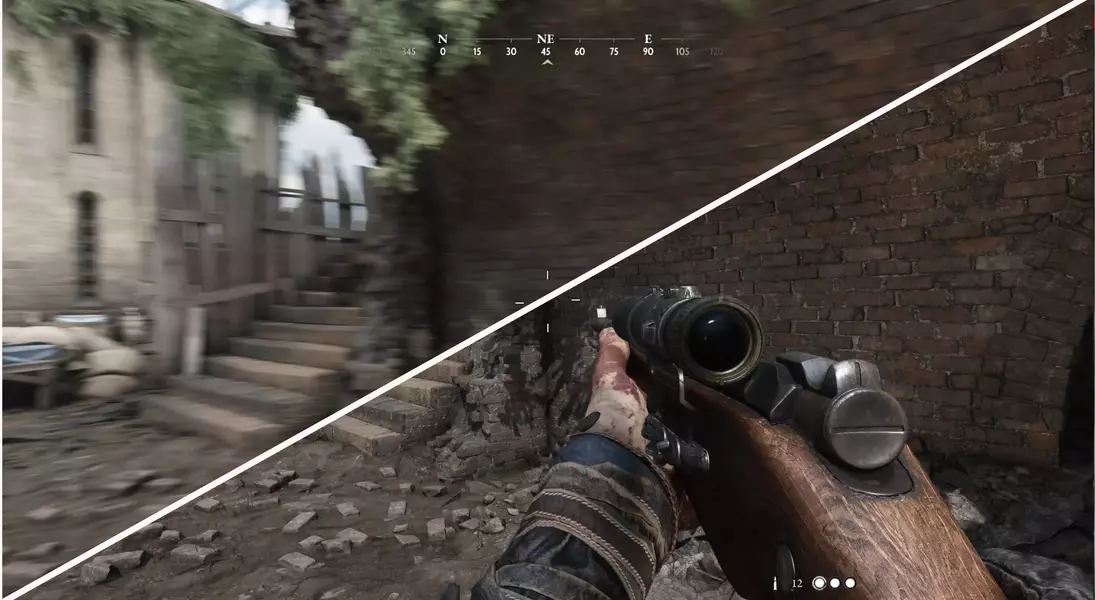
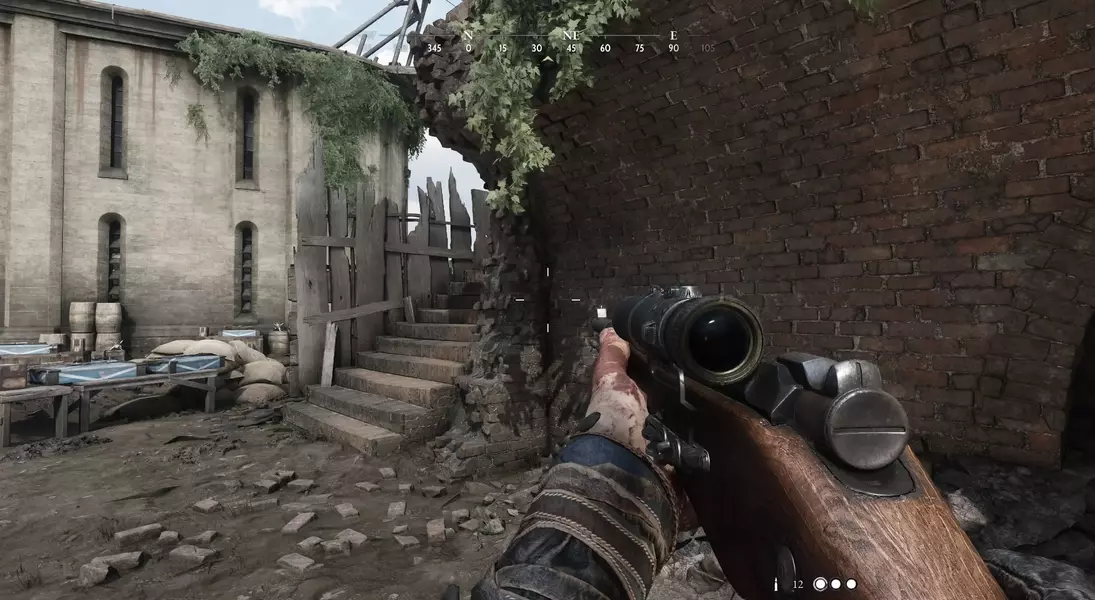
In a recent survey that engaged over 7,000 gaming enthusiasts, a definitive consensus emerged regarding the least popular visual enhancement in video games. The outcome, overwhelmingly skewed, positioned motion blur at the forefront of undesirable effects, effectively concluding a comprehensive tournament designed to gauge public opinion on various graphical elements.
The extensive polling revealed a stark preference: motion blur was resoundingly deemed the most displeasing graphical feature. This result, achieved by a significant margin against its competitor, chromatic aberration, solidifies a long-held sentiment within the gaming community.
While acknowledging the persistent engagement of its readership in previous discussions, the author conceded that the dominance of motion blur as the primary culprit was an anticipated outcome. This widespread understanding underscores the depth of player frustration with the effect.
Despite its general disfavor, motion blur does possess limited applications. It can, under certain circumstances such as games running at lower frame rates or on console platforms, serve to mask visual imperfections. Furthermore, in genres like racing games, a subtle application of motion blur might enhance the sense of speed. However, for PC gamers, the option to toggle this effect is almost universally present and frequently utilized to disable it.
The author humorously laments the ubiquity of motion blur being enabled by default in many titles. This trend forces players to routinely navigate to settings menus to deactivate it—a ritual akin to daily routines. The cycle of developers including motion blur by default and players promptly turning it off seems destined to continue indefinitely.
The community's strong stance against motion blur, despite its theoretical benefits in niche contexts, highlights a significant disconnect between developer default choices and player preferences. For many, the ability to disable motion blur is not just a preference but a necessity for an optimal gaming experience, solidifying its reputation as a graphical nuisance.
