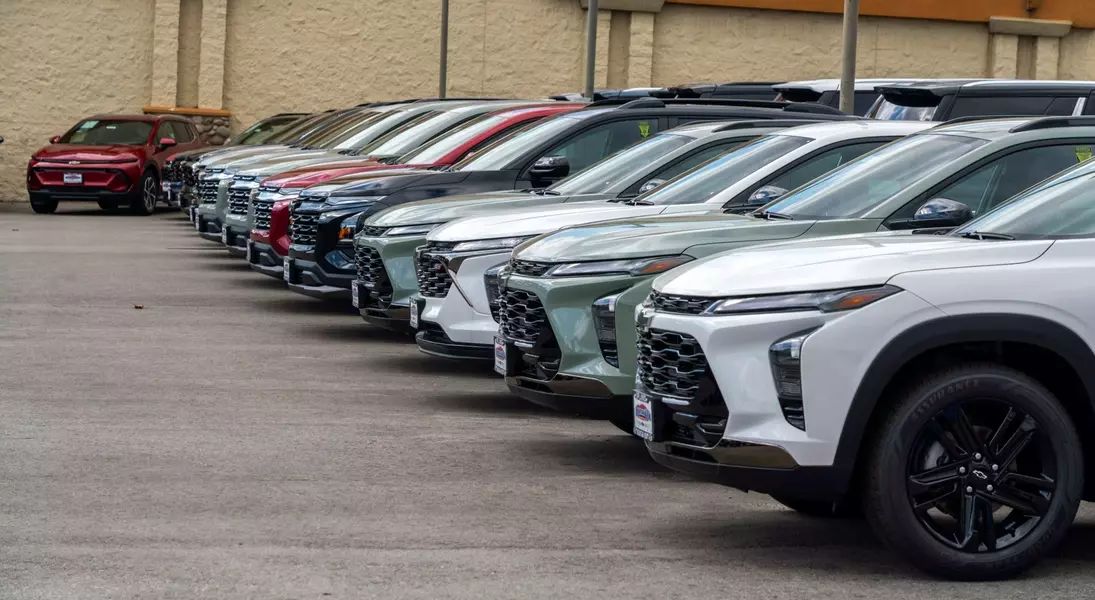
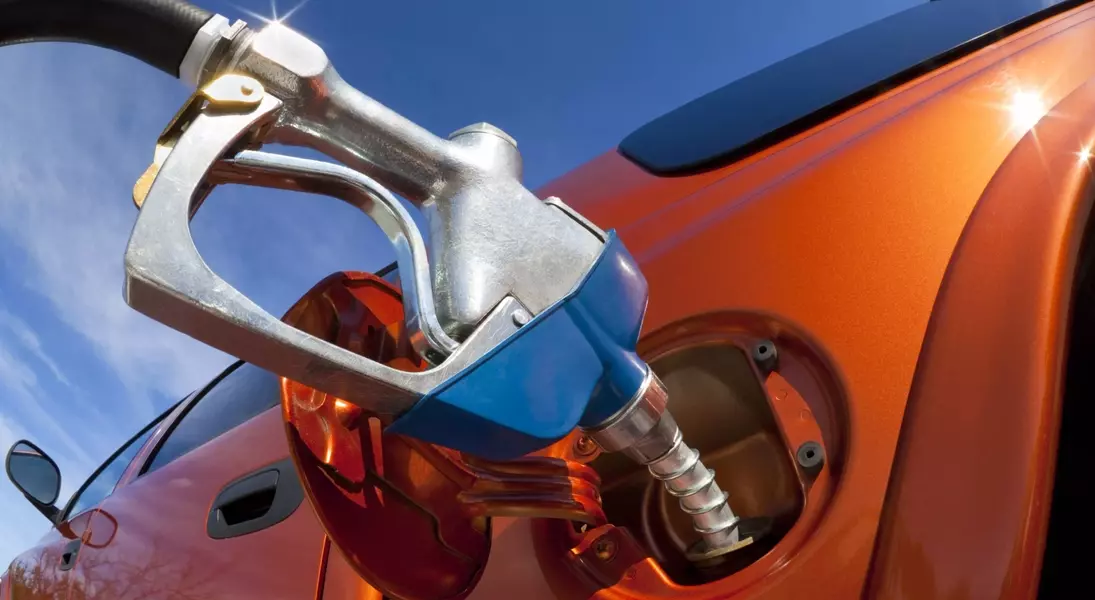
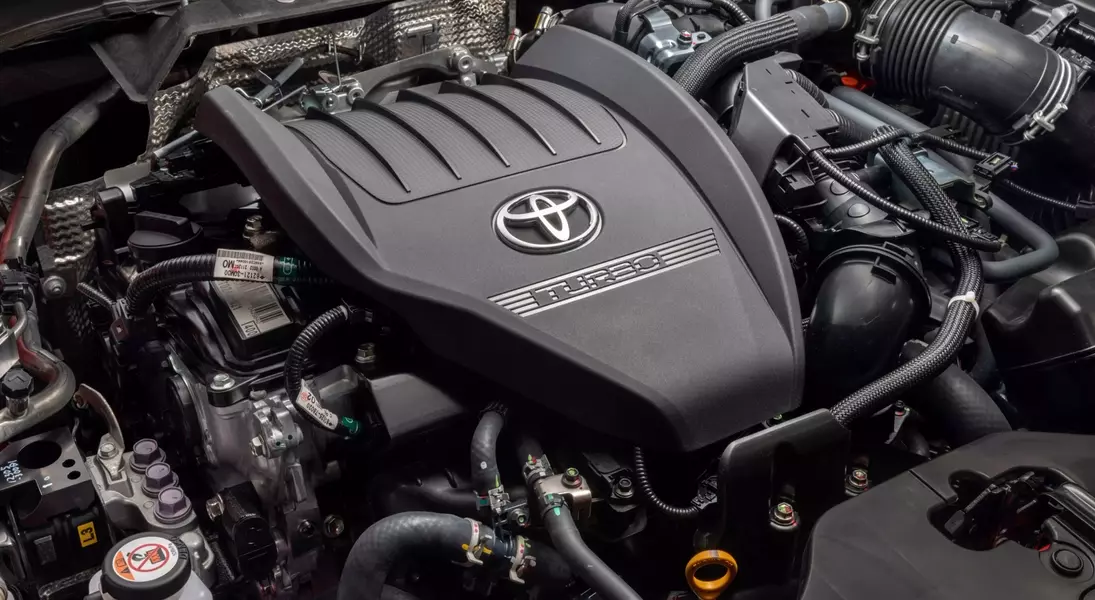
A recent analysis by Deloitte uncovers a surprising consumer trend: the majority of American car buyers are still choosing traditional gasoline vehicles over electric or hybrid alternatives. This preference is particularly pronounced in the U.S., where 61% of respondents indicated they would select an internal combustion engine for their next car. This figure significantly surpasses the 5% who would opt for an electric vehicle and the 21% considering a hybrid, challenging earlier expectations of a swift transition to electric mobility. This pattern is not unique to the U.S., with other regions like Southeast Asia and India also showing strong leanings towards gasoline vehicles, suggesting a broader reluctance to fully embrace electric options at present.
The primary factor influencing this enduring preference for gasoline cars appears to be economic. The rising costs associated with new vehicles, particularly electric models, are a major concern for consumers. A substantial 62% of Americans prioritize securing a favorable deal, while 47% value transparent pricing in their vehicle purchase decisions. Even among those open to electric vehicles, 52% are motivated by potential fuel cost savings, underscoring the importance of overall ownership costs. High upfront prices, limited driving range, and charging inconveniences are significant deterrents to electric vehicle adoption, prompting some major automotive manufacturers to re-evaluate their electrification timelines and continue supporting internal combustion engine development.
This consumer sentiment is also reflected in policy adjustments globally, with several European nations reconsidering or relaxing their timelines for banning combustion engines. The United Kingdom, for instance, has extended its ban from 2030 to 2035, and Germany has made concessions for synthetic fuels in gasoline cars. These shifts acknowledge the practical challenges and market realities that conflict with aggressive electrification mandates. In the U.S., legislation has been introduced to support the ongoing development of gasoline engines, including regulations that will permit these engines to meet efficiency standards for several more years. While the long-term vision may still be electric, current market dynamics suggest that gasoline-powered vehicles will remain dominant for the foreseeable future.
The automotive industry is in a dynamic phase, balancing innovation with consumer demands and economic realities. The sustained preference for gasoline cars in America and beyond underscores the importance of addressing the cost, convenience, and infrastructure challenges associated with electric vehicles. Moving forward, the industry must innovate to make sustainable transportation more accessible and appealing to a broader audience, ensuring a smoother and more equitable transition to a greener future.
