

The cinematic journey of "Mortal Kombat 2" presents a fascinating paradox: a film that struggled in traditional theaters but soared to unexpected heights on streaming platforms. This intriguing shift underscores the changing landscape of film consumption and the significant role streaming services now play in a movie's ultimate success and potential for future installments.
"Mortal Kombat 2" Reinvents Itself on HBO Max After Mixed Theatrical Run
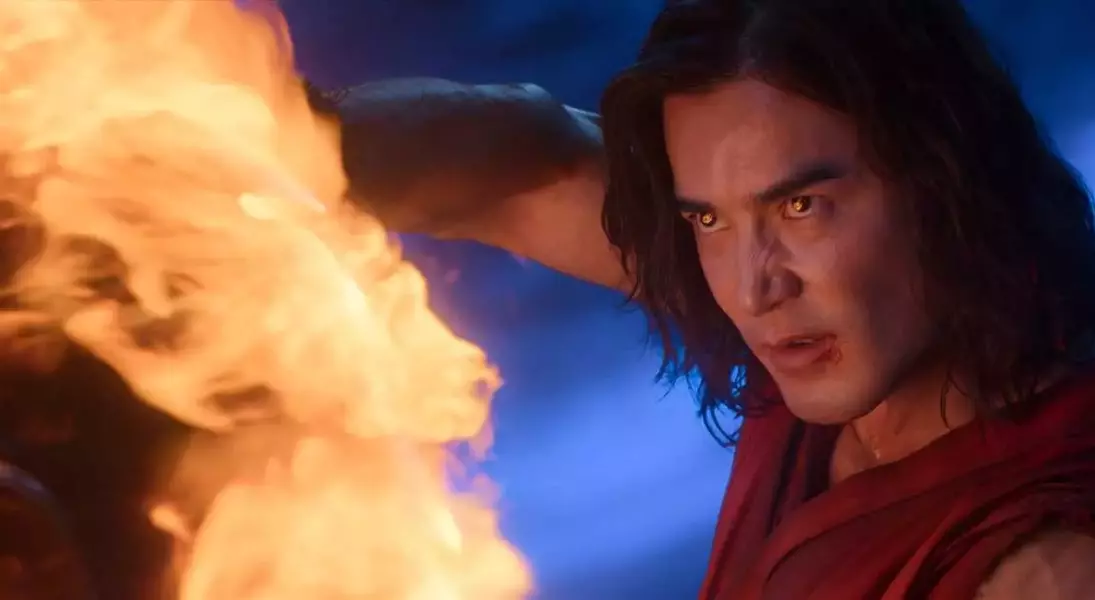
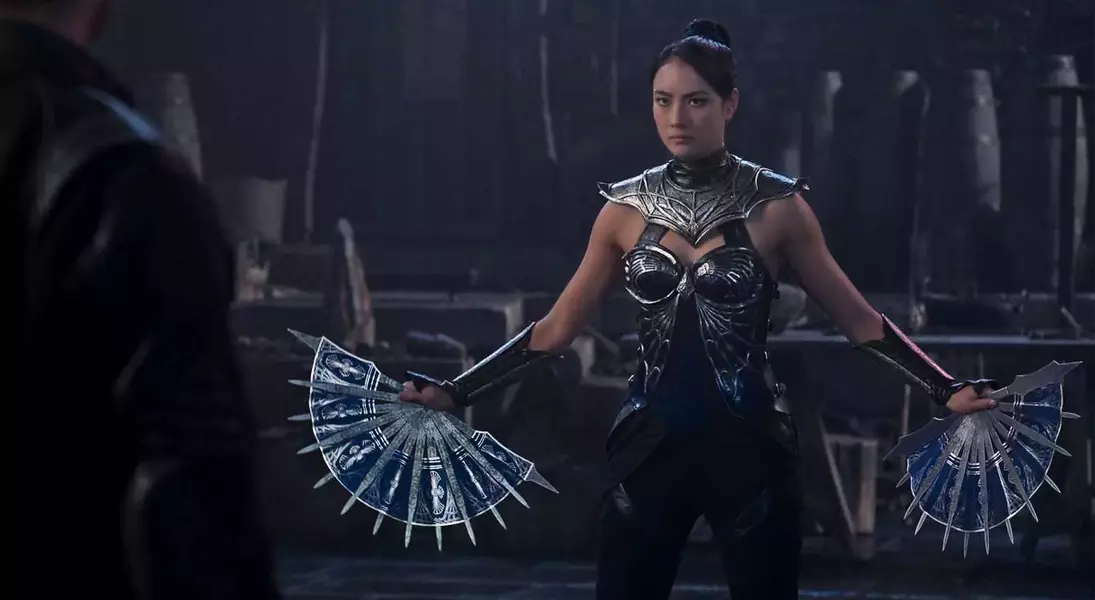
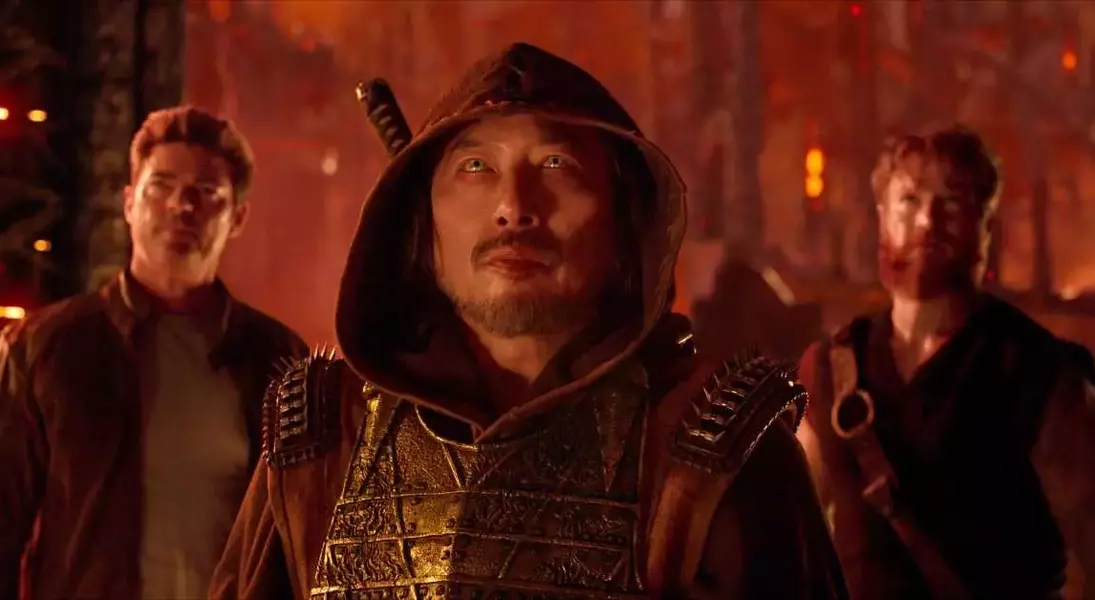
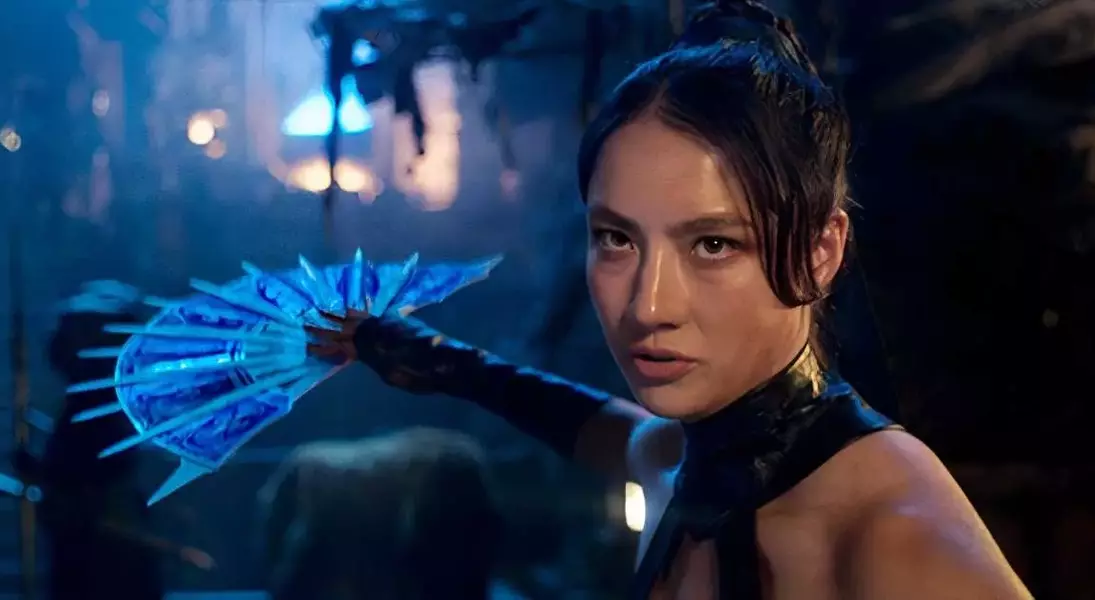
In May 2026, the highly anticipated sequel, "Mortal Kombat 2," premiered in cinemas, hoping to replicate the success of its 2021 predecessor. Despite the original film's strong performance on HBO Max, this theatrical release garnered a modest $129 million globally against an estimated $80 million production budget, falling short of a resounding box office triumph. Director Simon McQuoid, alongside screenwriter Jeremy Slater, had deliberately crafted the narrative to allow for future continuations, a foresight that now appears particularly prescient. By July, following its digital and physical media releases, "Mortal Kombat 2" made its debut on HBO Max, where it swiftly ascended to the top of the streaming charts, according to FlixPatrol. This dramatic turnaround has reignited discussions about a potential "Mortal Kombat 3," which had previously been uncertain due to the film's initial theatrical reception. The movie's ensemble cast, featuring notable talents like Karl Urban as Johnny Cage, Adeline Rudolph as Kitana, and Lewis Tan as Cole Young, delivered performances that resonated more strongly with streaming audiences, who lauded the film's action sequences, character portrayals, and faithfulness to the game's iconic "Fatalities."
This narrative offers a compelling insight into the evolving metrics of success within the entertainment industry. A film's value is no longer solely determined by its box office gross, but increasingly by its performance across diverse distribution channels. "Mortal Kombat 2" serves as a prime example of how a film can find its true audience and commercial viability in the digital realm, challenging conventional notions of cinematic achievement and potentially paving the way for a new era of franchise development based on streaming popularity.
