Moonlight Peaks, a newly released farm simulation game infused with supernatural elements, is currently under scrutiny by the gaming community. As an avid player, I've spent approximately 40 in-game days assessing its potential, aiming to provide initial insights for fellow enthusiasts before a comprehensive review. The core mechanics align with typical farm simulations, including cultivation, foraging, animal husbandry, social interactions, crafting, mining, and fishing. However, the game differentiates itself through its premise of feuding supernatural families—vampires, witches, and werewolves—a dynamic that initially promises fresh narrative depth.
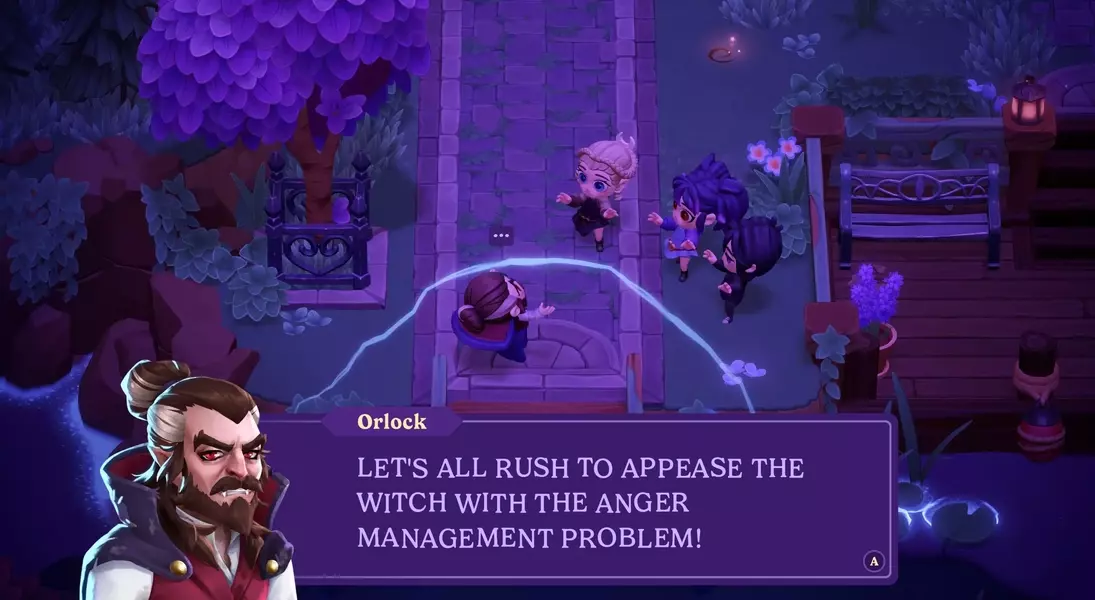
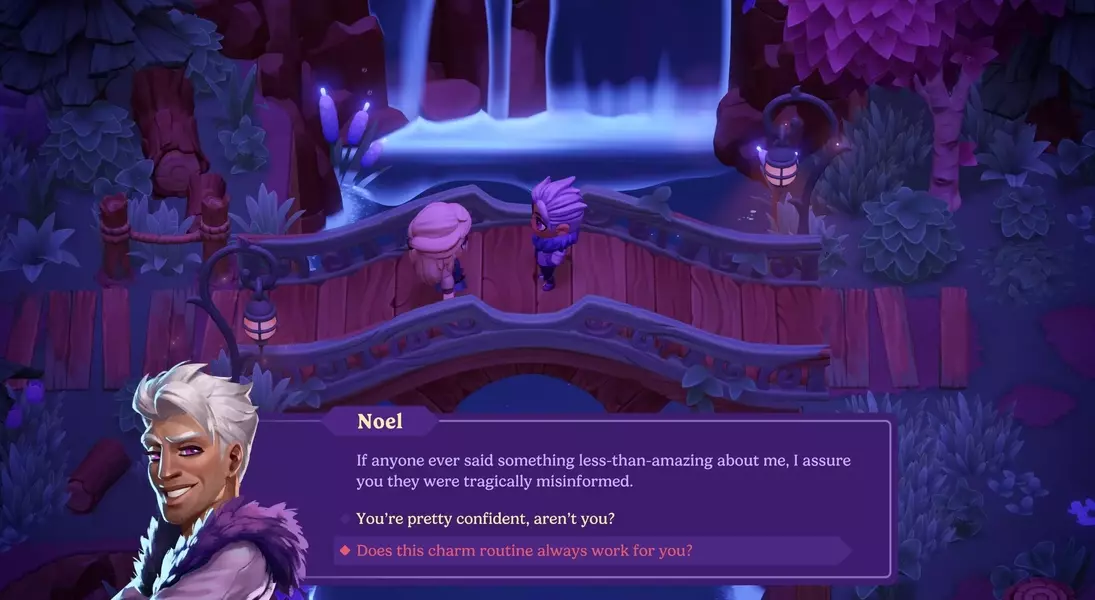
Initially, the game's portrayal of supernatural family conflicts, particularly the over-the-top dialogue, is quite amusing. Yet, as gameplay progresses, this comedic tone often clashes with attempts at more serious character development. For instance, the vampire patriarch, Orlock, is presented as a humorously alcoholic figure, a choice that feels somewhat anachronistic in contemporary gaming. Simultaneously, the game endeavors to depict his daughter Mina's struggles within this family dynamic with gravity, creating an inconsistent narrative experience. Similarly, characters like Noel, designed as a charming yet superficial bachelor, struggle to evolve beyond their initial archetypes, despite in-game dialogue suggesting deeper layers. These narrative inconsistencies highlight a challenge in maintaining a cohesive tone within the game's unique setting.
Moonlight Peaks also exhibits several design quirks that can hinder the player experience. Inventory management, particularly the storage system, involves an excessive number of button presses, making it less intuitive than in similar titles. The game tracks gifts given to villagers but provides a less-than-ideal “recently given” list, rather than a more useful summary of preferences. While the game is quest-driven, moving away from the open-ended nature of titles like Stardew Valley, the pacing can be slow, often leaving players with limited immediate objectives. Furthermore, the limited and somewhat uninspired male romance options, especially the un-datable brooding bartender Samael, may disappoint players looking for diverse romantic storylines.
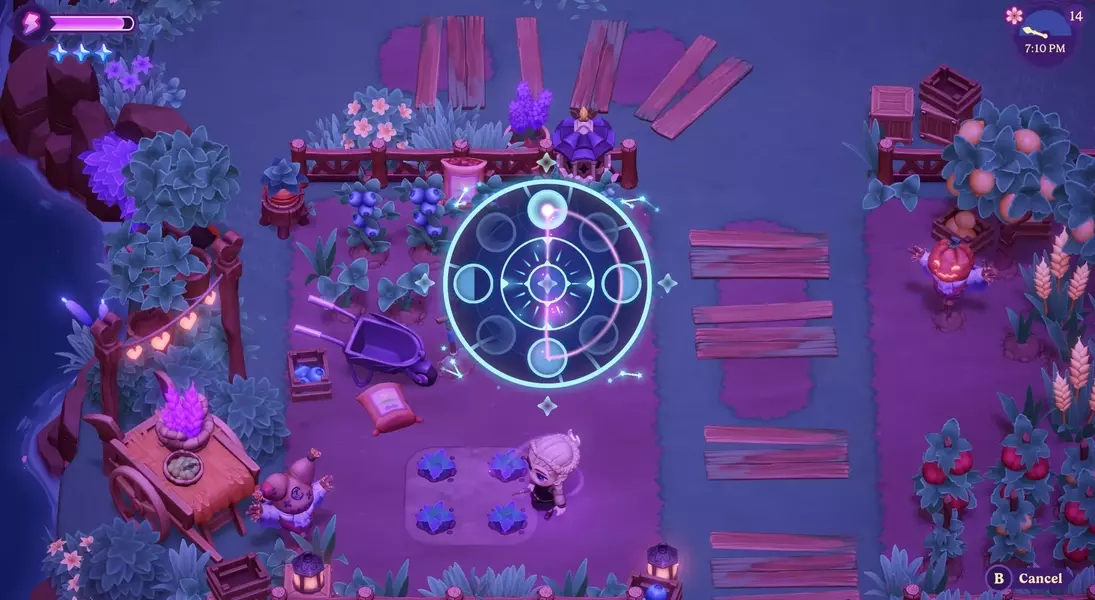
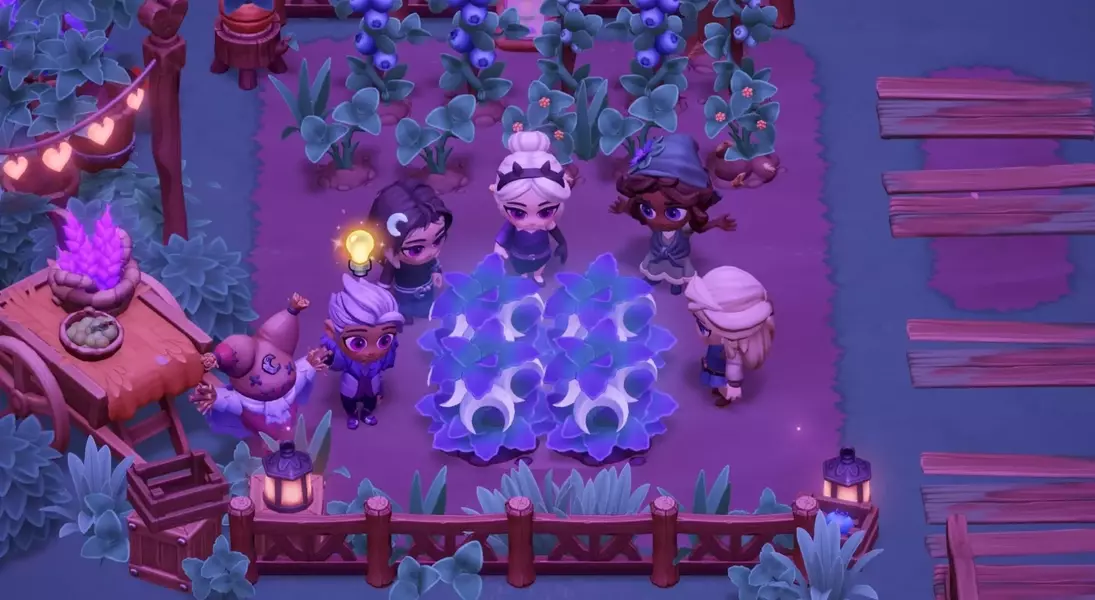
Despite these criticisms, Moonlight Peaks offers an engaging experience. The chibi-style character designs are visually appealing, and the supernatural town concept is charming. The quest system is generally straightforward, making it easy for new players to grasp. Unique mini-games, such as flower arranging, pottery, and pattern-based spellcasting, add delightful touches to the gameplay. While these elements contribute positively to the overall experience, they may not fully compensate for the game's narrative weaknesses and design flaws, especially when considering its price point compared to other well-established titles in the genre.
Considering the $35 price tag, it is difficult to overlook the game's rather average writing and design choices. With titles like Fields of Mistria offering consistently strong character development and more refined gameplay at a lower price, Moonlight Peaks faces stiff competition. While not an entirely unpleasant experience, it struggles to justify its cost and carve out a distinct niche in the crowded farm simulation market.
