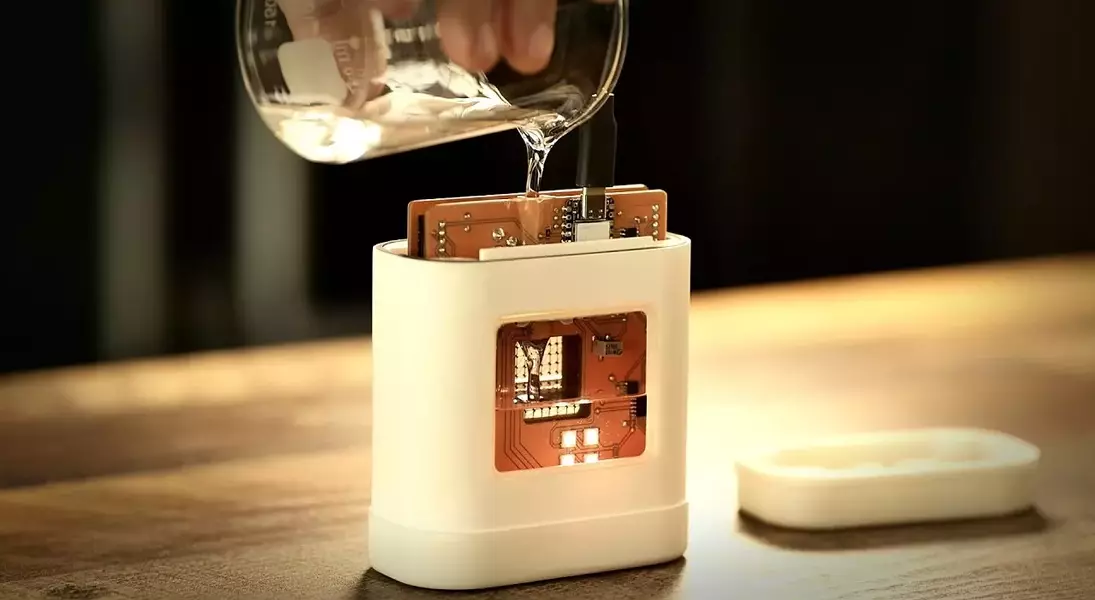
Amidst the growing demand for data centers driven by artificial intelligence, some innovators are exploring unconventional storage solutions. One such individual, a self-proclaimed enthusiast known as polymatt, embarked on a unique project to develop what he humorously terms the 'world's worst USB device.' This intriguing creation, far from modern solid-state drives, revives a storage method prevalent in the mid-20th century: magnetic-core memory.
Details on the Ingenious "Worst USB Drive" Project
Recently, the technology YouTuber, polymatt, unveiled a detailed video documenting the conceptualization, technological underpinnings, and intricate assembly of his remarkable device. The video is a compelling watch, even for those accustomed to gigabytes and terabytes, as it delves into the mechanics of storing a mere 64 bits of information using an antique approach. Rather than relying on contemporary storage technologies, polymatt opted for magnetic-core memory, a technique that was cutting-edge in the 1950s and 1960s.
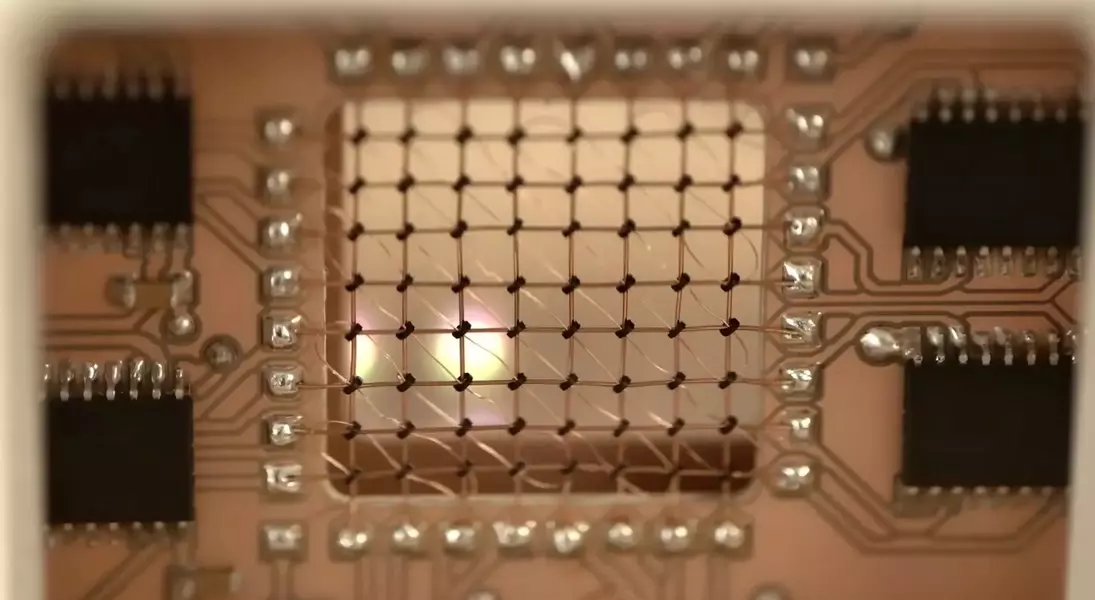
During that era, before the advent of silicon-based memory, magnetic-core systems were widely adopted in pioneering computers like ENIAC, the IBM 704, and even the Apollo Guidance Computer. This method involves an array of minute ferrimagnetic rings, each intricately threaded with multiple wires. Data is encoded by altering the magnetic polarity of these rings through electrical pulses in the wires, with each polarity representing a binary 0 or 1. A key advantage of magnetic-core memory is its non-volatile nature; once a polarity is set, it persists without continuous power, much like modern NAND flash storage.
While polymatt's device, with its 64 ceramic rings, offers a modest 64 bits of storage, it stands in stark contrast to historical magnetic-core units such as IBM's 1957 model, which boasted a capacity of 147,456 bits. However, the IBM system was an enormous apparatus, weighing several hundred kilograms and costing a staggering $6,000 per month to lease. Polymatt's endeavor highlights the painstaking and delicate process involved in constructing such a device, a stark reminder of early computing's labor-intensive demands. It’s particularly amusing to note that the Espressif ESP32 microcontroller, which manages the USB interface and read/write operations for his device, contains embedded flash storage millions of times larger than the entire magnetic-core assembly.
Despite the immense practical disparities between polymatt's creation and today’s external SSDs in terms of speed and capacity, there's a certain charm to this vintage hardware. Modern storage, with its compact chips on a printed circuit board, offers unparalleled performance but perhaps lacks the tangible allure and historical significance embodied by a hand-built magnetic-core memory unit. This project not only serves as an educational tool but also evokes a sense of nostalgia for a bygone era of computing.
\