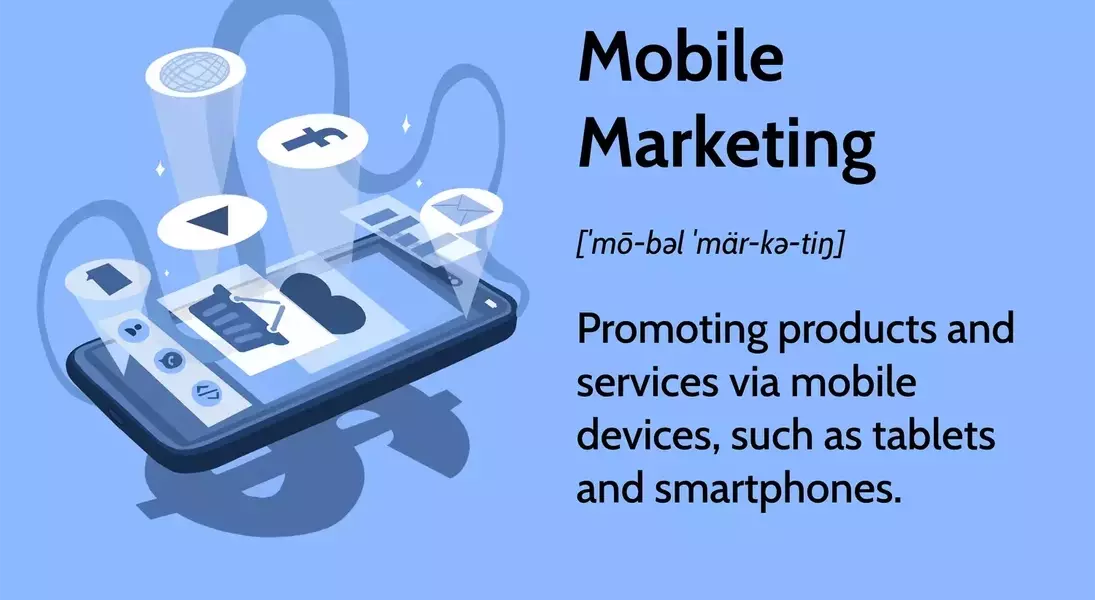
Mobile marketing stands as a pivotal strategy in the contemporary digital landscape, harnessing the omnipresence of smartphones and tablets to connect with consumers. This dynamic approach excels in delivering personalized content and promotions by capitalizing on user location and behavior, offering a distinct edge over conventional advertising techniques. Its inherent cost-efficiency, alongside the capacity for real-time engagement, makes it an attractive proposition for businesses aiming to forge deeper connections with their audience. However, the successful implementation of mobile marketing necessitates careful consideration of user privacy and the meticulous crafting of campaigns to capture and retain attention in a highly competitive digital ecosystem.
Detailing the Dynamics of Modern Mobile Outreach
In the burgeoning digital era, businesses are increasingly recognizing the power of mobile marketing to redefine their outreach strategies. This involves a comprehensive suite of digital tactics—ranging from text messages and multimedia content to push notifications and in-app advertisements—all meticulously designed for delivery via handheld devices. Companies such as Samsung, Pond's, and Ruffles have notably embraced innovative mobile marketing campaigns to engage consumers effectively. Samsung, for instance, collaborated with InMobi to launch interactive advertisements for its Galaxy S6, targeting users with low battery levels by showcasing the phone's rapid charging capabilities. Pond's utilized interactive ads that allowed users to identify acne-prone areas on their faces through their phone cameras without needing app downloads. Ruffles, facing declining sales in Brazil, revitalized its brand among teenagers by launching 'AmiGo,' an augmented reality game that allowed users to collect virtual chips in real-time. These campaigns underscore the industry's shift towards personalized, interactive, and location-aware promotional efforts, moving beyond demographic targeting to focus on user behaviors and immediate needs. Key to optimizing these campaigns are robust SEO strategies, including responsive web design, rapid page loading times, and ensuring accurate local business information across all digital platforms, thereby enhancing user experience and search visibility.
The evolution of mobile marketing presents a fascinating paradigm for contemporary commerce. The ability to reach consumers directly through their personal devices opens up unprecedented opportunities for engagement and conversion. However, this convenience also brings heightened responsibilities, particularly regarding data privacy and the potential for intrusive advertising. Moving forward, the industry must prioritize transparency and user control, ensuring that personalized marketing remains a service that enhances, rather than detracts from, the mobile experience. Ethical considerations aside, the sheer reach and analytical depth offered by mobile platforms mean that businesses, both large and small, cannot afford to overlook this channel. It compels marketers to be more creative, more data-driven, and ultimately, more responsive to the evolving digital habits of their target audiences.
