Major League Soccer is poised for a significant evolution, moving towards what its commissioner has termed 'MLS 3.0'. This ambitious transformation aims to redefine the league's operational structure, competitive landscape, and player acquisition strategies. While these profound shifts are still in the planning stages and awaiting formal approval, the underlying momentum suggests an inevitable progression towards a more globally integrated and financially robust future for professional soccer in North America. The journey, however, involves navigating complex negotiations, particularly concerning player agreements, which will ultimately dictate the pace and scope of this exciting new chapter.
Major League Soccer Charts Course for Comprehensive Overhaul
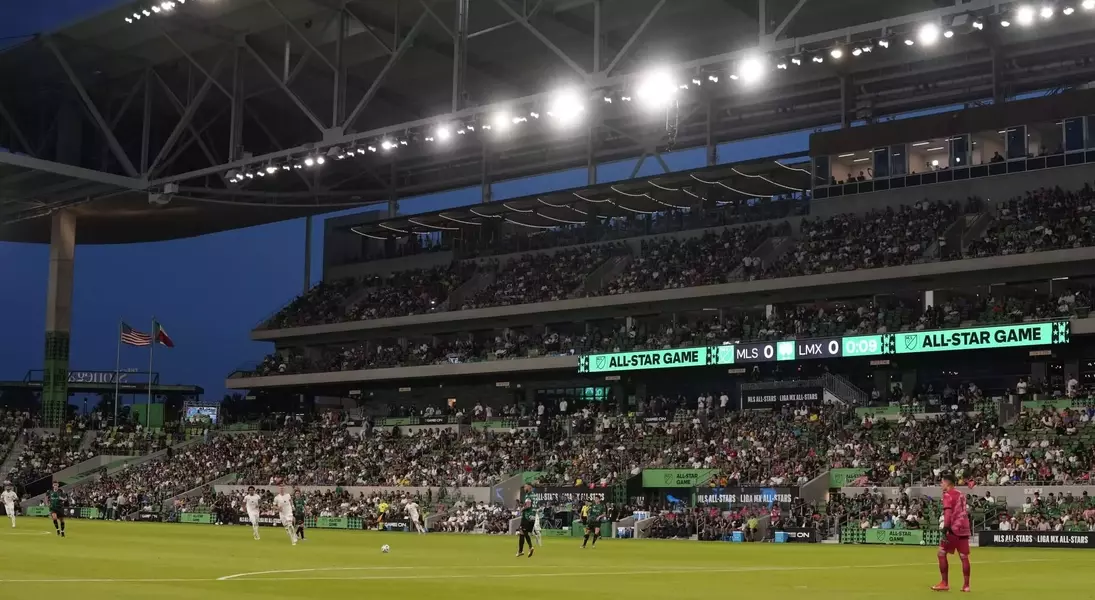
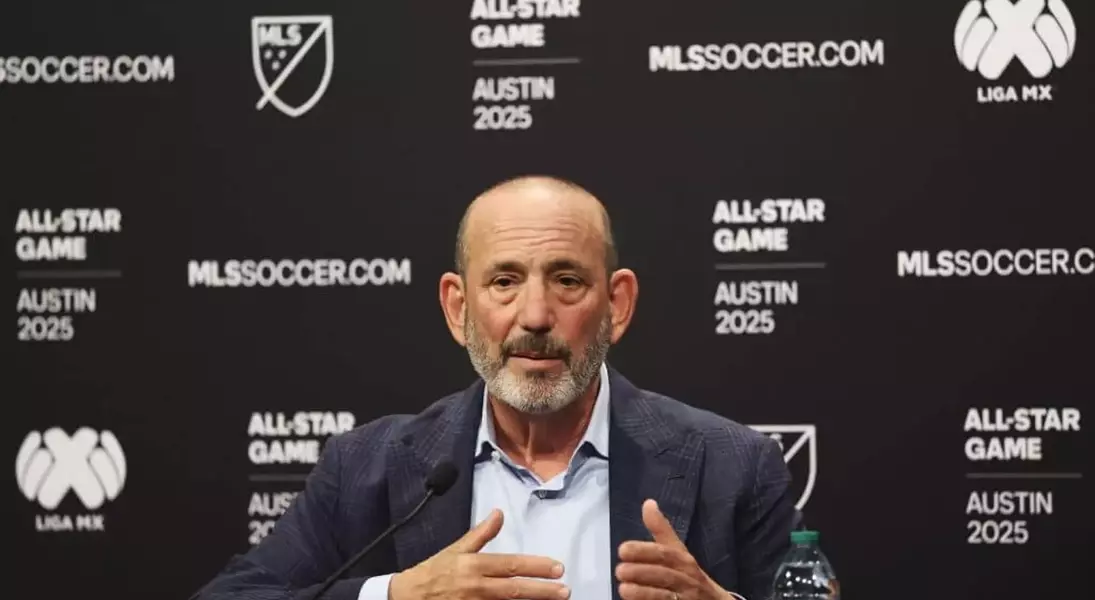
In a forward-looking address delivered in Austin, Texas, on a mid-week evening, Major League Soccer Commissioner Don Garber unveiled the league's grand vision for the future, colloquially dubbed 'MLS 3.0'. Although formal resolutions were not cast during the recent board of governors' assembly, the league is steadfastly advancing towards a multi-faceted transformation designed to elevate its standing on the global football stage.
At the core of this monumental shift are three distinct yet interconnected pillars. Firstly, a proposed strategic reorientation of the league calendar to a fall-spring schedule. This alignment with the prevailing international and European football season would strategically synchronize transfer windows, enabling MLS teams to more effectively engage in the global player market. Furthermore, it would reposition the pivotal playoff series into a more advantageous period, enhancing appeal for media partners and expanding viewership. This calendar alteration, while acknowledged as a 'seismic' undertaking due to diverse climate zones and operational challenges across various team locations, garners substantial endorsement, with an unofficial survey revealing overwhelming support from the league's ownership group.
The second tier of change involves a re-imagining of the competition itself, specifically altering the structure of the regular season and the subsequent playoffs. This refinement seeks to inject greater significance into regular-season matches and introduce an innovative playoff format, promising a unique spectacle distinct from other North American sports leagues.
Perhaps the most impactful, and third, component of 'MLS 3.0' is a comprehensive reassessment of the league's entire roster management framework. This crucial modernization effort aims to empower MLS to genuinely contend within the fiercely competitive international football market, thereby fielding more formidable teams. The historical roster strategy, crafted during the league's formative years to manage expenditures, is now deemed insufficient for its evolved ambitions. With substantial investments already poured into state-of-the-art stadiums and training facilities as part of 'MLS 2.0', the focus now shifts to translating this financial muscle into an enhanced on-field product, aspiring to attract larger audiences and, consequently, greater media revenue. This strategic shift is vital for MLS to compete credibly in prestigious international competitions like the Concacaf Champions Cup and the FIFA Club World Cup.
Beyond these core reforms, the league also intends to reinforce its player development pipeline and persist in expanding its infrastructural footprint, with new stadiums slated for completion in Miami, New York, and Chicago between 2026 and 2028. Continued innovation within its media partnership with Apple is also a priority, with the goal of making access to the game more effortless for fans.
However, the pathway to implementing these sweeping changes is not without its obstacles. A significant hurdle lies in the existing collective bargaining agreement (CBA) with the MLS Players Association. Both the proposed calendar shift and the overhaul of roster regulations necessitate the MLSPA's consent. The current CBA is set to conclude in early 2028, implying that for these reforms to take effect by 2027—a year after the anticipated transformational 2026 World Cup—a renegotiation of the agreement on an accelerated timeline would be imperative. While altering roster rules could potentially inject more financial resources into the system and offer greater flexibility in their allocation, the relationship between MLS and the MLSPA has recently shown signs of strain, particularly regarding FIFA Club World Cup bonuses. For 'MLS 3.0' to materialize as envisioned, prompt and constructive dialogue between the league and its players' association is essential, allowing for a robust marketing campaign during the 2026 World Cup to herald the league's exciting new era.
From a journalistic standpoint, the forthcoming era for Major League Soccer is undeniably compelling. The league’s clear intent to evolve beyond its foundational parameters into a globally competitive entity showcases a commendable ambition. However, the true measure of this vision’s success will hinge not just on the strategic blueprints laid out by Commissioner Garber and the league’s ownership, but critically, on the league’s ability to forge a harmonious and mutually beneficial relationship with its players. The collective bargaining agreement represents more than just a contractual obligation; it is the vital conduit through which these aspirations can transition from concept to tangible reality. The lesson here is profound: even the most ambitious and well-intentioned transformations in professional sports are intrinsically linked to, and often dependent upon, the collaborative spirit and shared objectives of all stakeholders. The path to 'MLS 3.0' is a powerful reminder that progress, especially on such a grand scale, requires not just strategic foresight but also adept negotiation and genuine partnership.
