



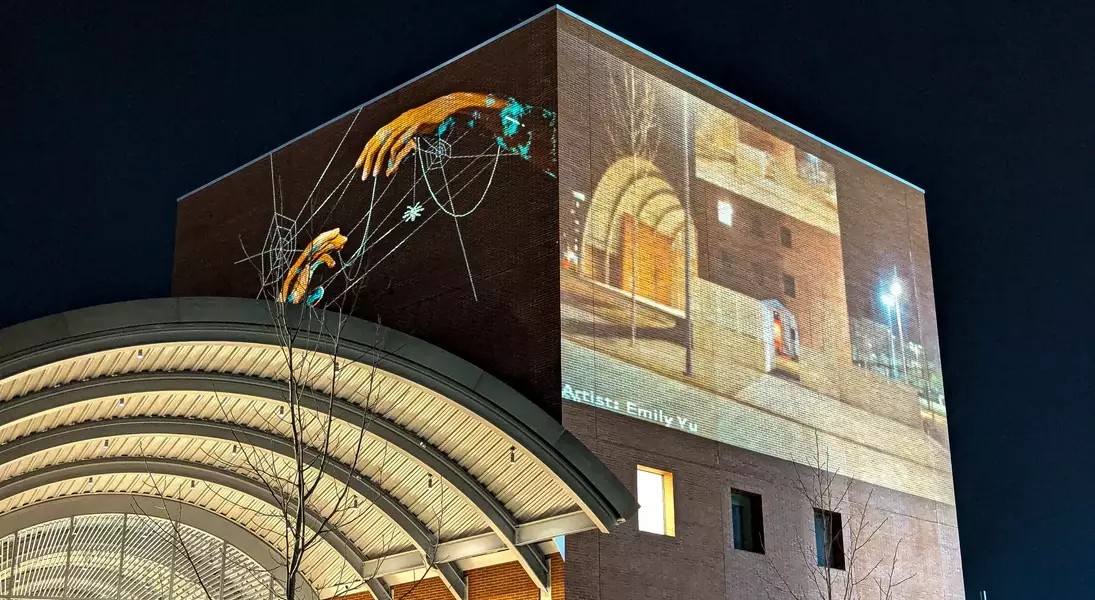
The newly inaugurated Edward and Joyce Linde Music Building at MIT stands as a testament to the institution's profound dedication to advancing both artistic expression and technological prowess. This state-of-the-art facility transcends the conventional boundaries of a music department, providing an unparalleled environment where diverse musical styles, from jazz to global rhythms, can thrive in perfect acoustic isolation. More than just a collection of rehearsal rooms and performance spaces, the Linde Building is a vibrant hub that nurtures interdisciplinary collaboration, bringing together musicians, engineers, and designers in a shared pursuit of innovation. It not only amplifies MIT's already robust musical offerings but also spearheads a new era of music technology, offering a dynamic platform for creating, experimenting, and redefining the future of sound.
This architectural marvel, a result of the generous contributions of Edward and Joyce Linde, is meticulously engineered to cater to the nuanced demands of various musical forms simultaneously, ensuring an immersive and interference-free auditory experience. Its strategic design fosters a sense of community and intellectual cross-pollination, where spontaneous interactions and structured learning converge to inspire groundbreaking projects. The building's visionary approach is further exemplified by the launch of a new master's program in music technology, positioning MIT at the forefront of exploring the symbiotic relationship between sound, computational design, and artistic innovation.
A Symphony of Innovative Acoustics and Design
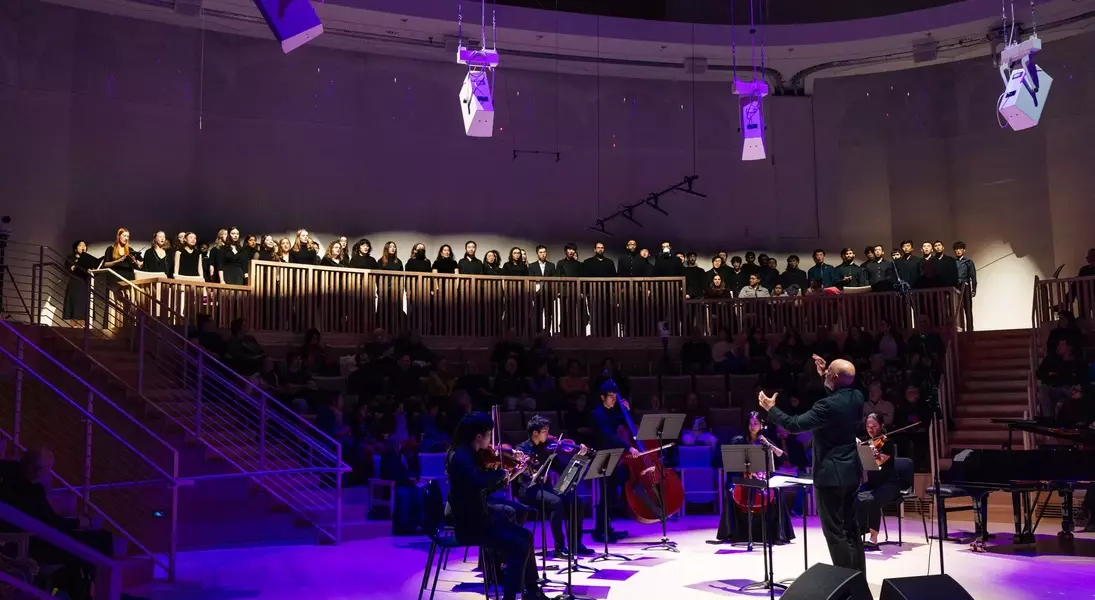
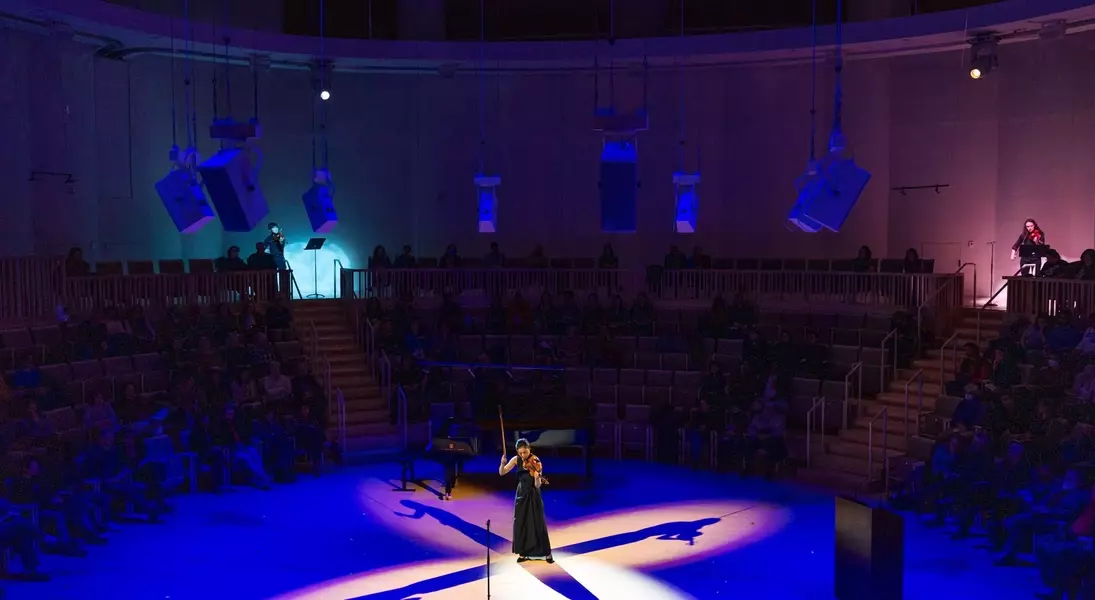
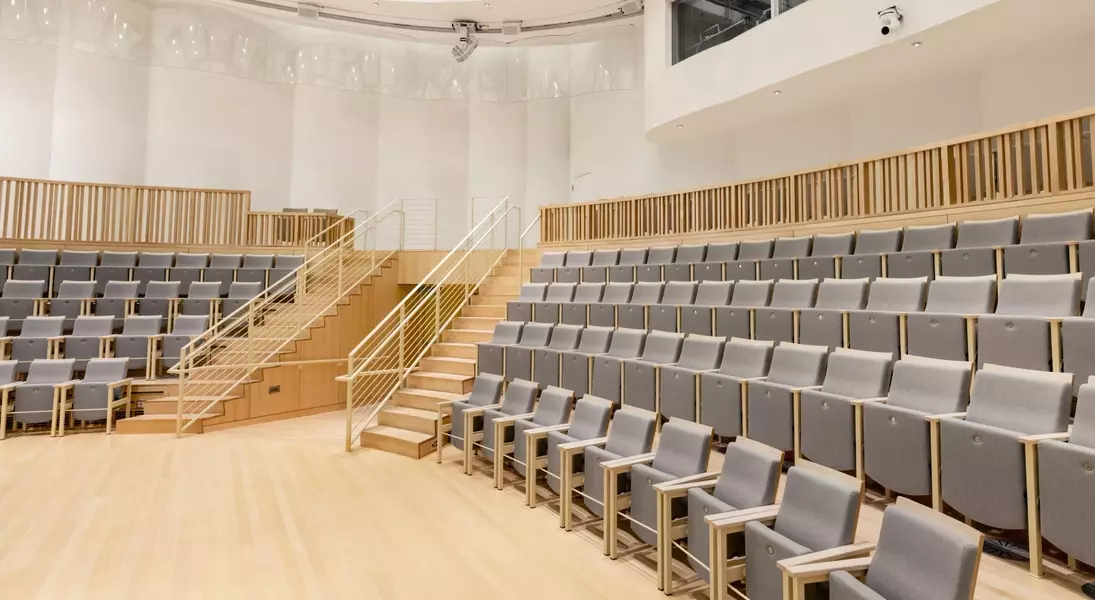
The Edward and Joyce Linde Music Building, a recent addition to MIT's campus, stands as a beacon for advanced acoustic design and performance adaptability. Its innovative structure addresses the complex challenge of accommodating various musical genres simultaneously without interference, utilizing a unique triple-block design with thick, double-shelled concrete walls and structural isolation systems. This meticulous engineering, guided by acoustic experts, ensures pristine sound environments for everything from classical ensembles to world music traditions, allowing each to flourish in its dedicated, acoustically isolated zone. The central Thomas Tull Concert Hall exemplifies this commitment, boasting customizable acoustics and a revolutionary circular layout that redefines the performer-audience relationship, fostering an intimate and immersive musical experience.
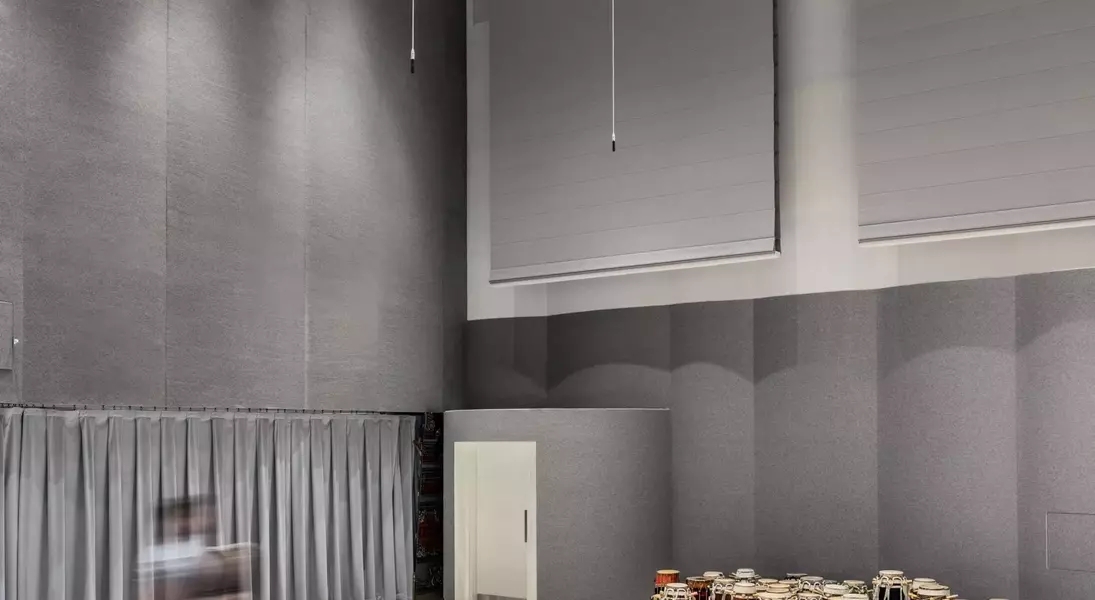
Every detail within the 35,000-square-foot facility reflects a commitment to acoustic excellence, distinguishing it from traditional music venues. The design team, in collaboration with renowned acoustic firm Nagata Acoustics, implemented sophisticated sound isolation techniques, including floating slabs and box-in-box constructions, to prevent sound transmission between different areas. This allows a jazz ensemble, a Senegalese drumming group, and a classical quartet to rehearse concurrently without audible bleed. The Thomas Tull Concert Hall, with its towering 50-foot ceiling and adjustable baffles, can instantly transition from a resonant chamber for orchestral works to a drier, more controlled space for electronic music, offering unprecedented flexibility. This forward-thinking design not only elevates the quality of performances but also serves as a living laboratory for acoustic research, inviting artists and technologists to explore new sonic frontiers within its adaptable spaces.
Fostering Interdisciplinary Fusion and Creative Exploration
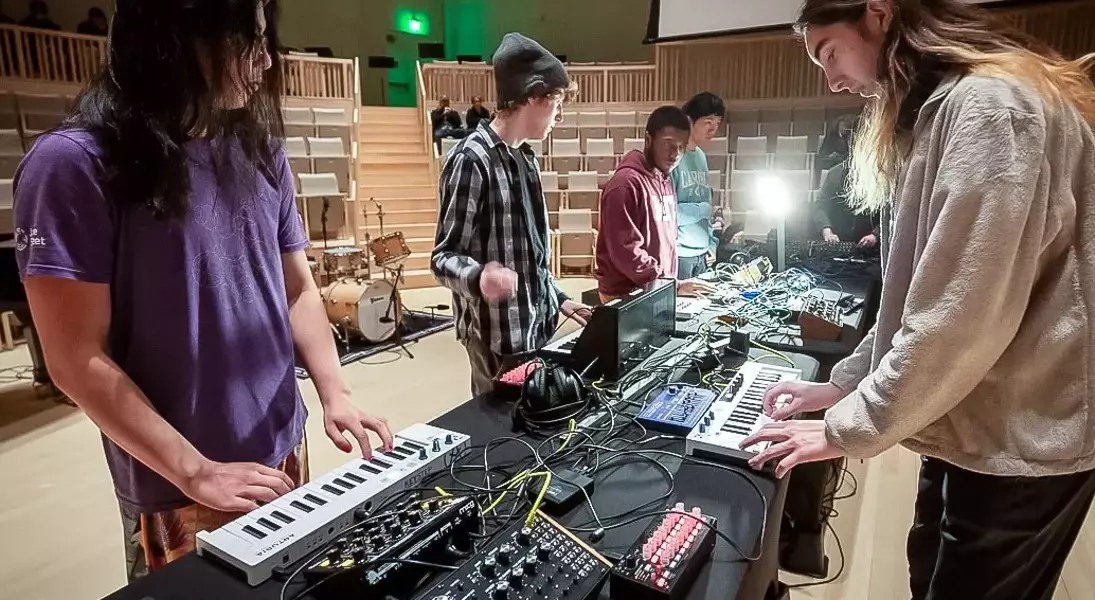
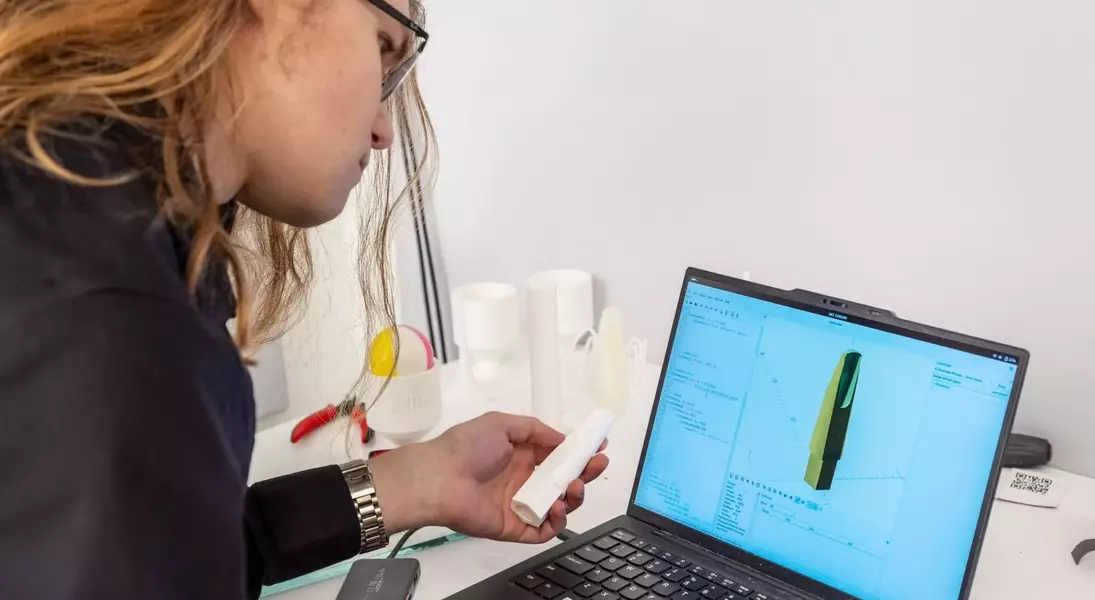
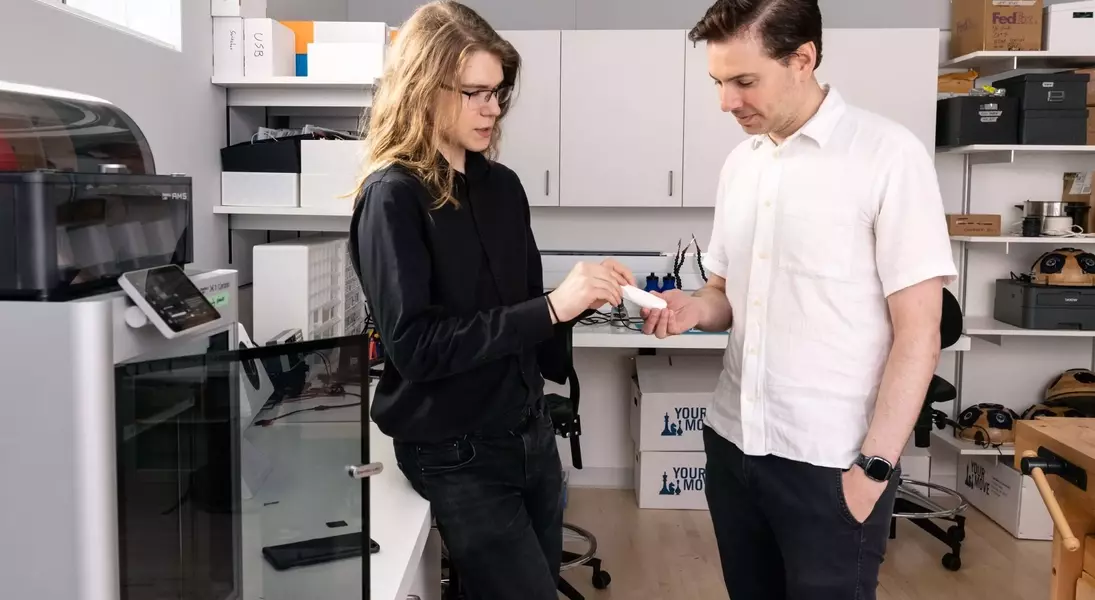
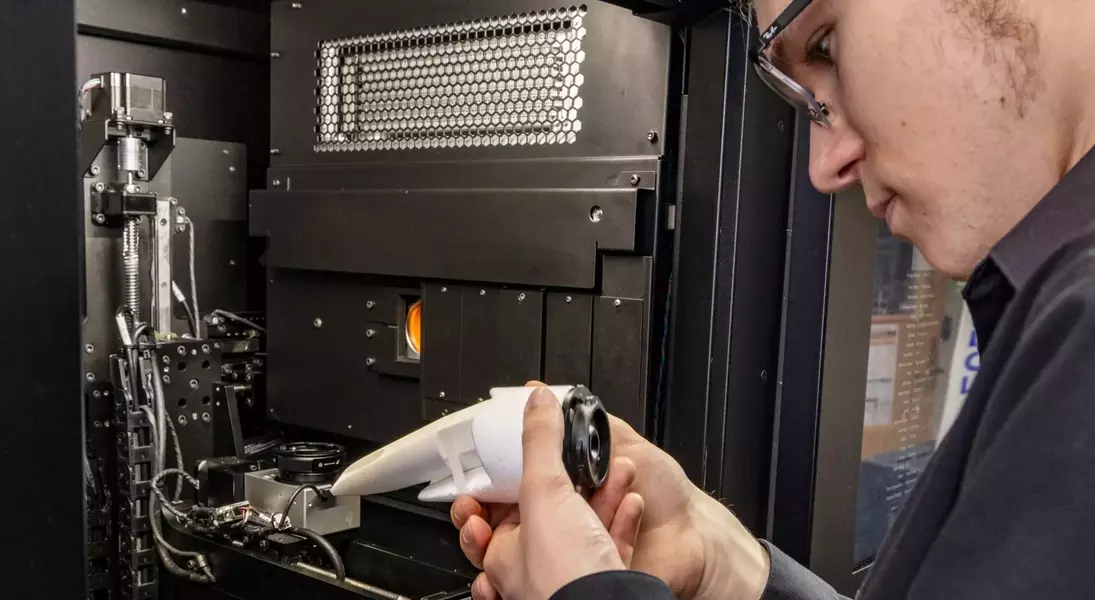
The Linde Music Building at MIT is more than an architectural achievement; it is a catalyst for interdisciplinary collaboration and a hub for pioneering music technology. By bringing together musicians, engineers, and computer scientists in shared spaces like dedicated rehearsal rooms, recording studios, and a versatile makerspace, the building actively encourages a cross-pollination of ideas. This environment has paved the way for a new master's program in music technology, where students design novel instruments, develop sensor systems, and explore the future of sound at the intersection of art and science. The facility facilitates a vibrant exchange, fostering a community where technical ingenuity and artistic vision converge to push the boundaries of musical creation and performance.
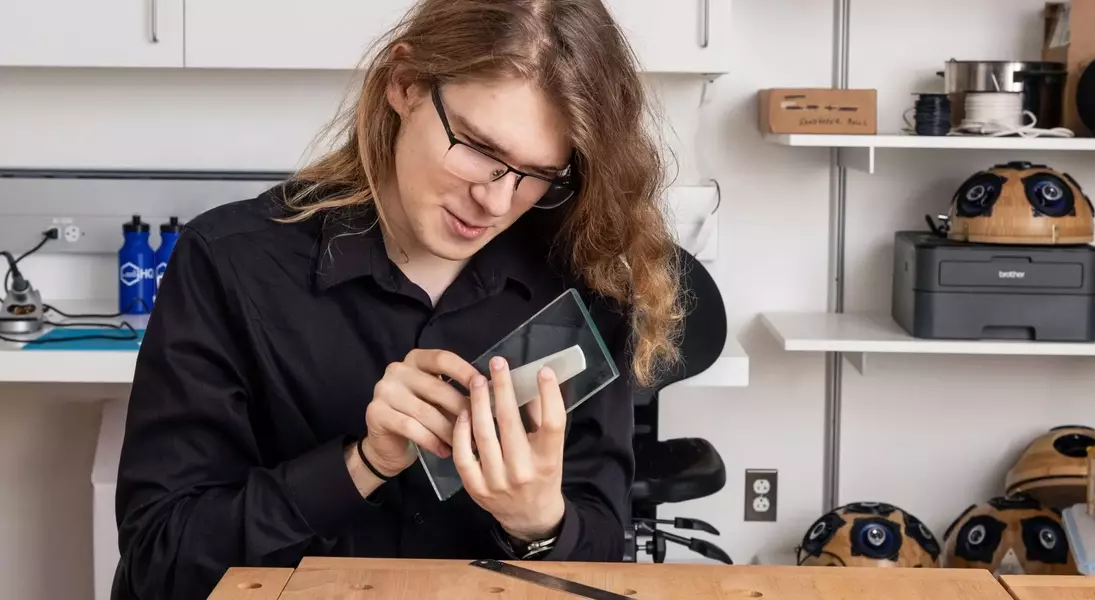
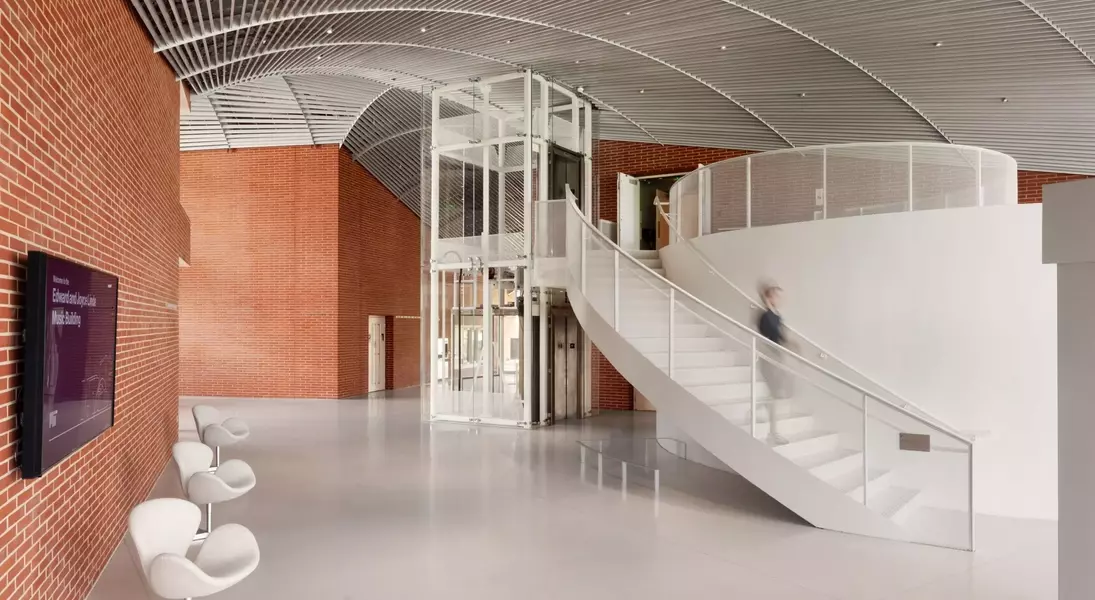
This facility's design profoundly impacts the daily lives of MIT's diverse community, fostering a unique ecosystem where technological and artistic disciplines naturally intertwine. The integrated makerspace, equipped with tools for prototyping and fabrication, empowers students to translate conceptual musical ideas into tangible innovations, from custom digital instruments to sensor boxes that monitor campus piano usage. Recording facilities, leveraging advanced audio networking protocols, provide professional-grade resources that enable ambitious projects, such as recording an entire symphony orchestra with individual instrumental isolation. Moreover, the building's open and interconnected layout, from its inviting glass-lined lobby to its adaptable performance spaces, cultivates a dynamic sense of community. This shared environment not only enhances creative output but also strengthens the bonds between students and faculty, allowing for serendipitous encounters and collaborative breakthroughs that define the building's transformative impact on MIT's vibrant music culture.
