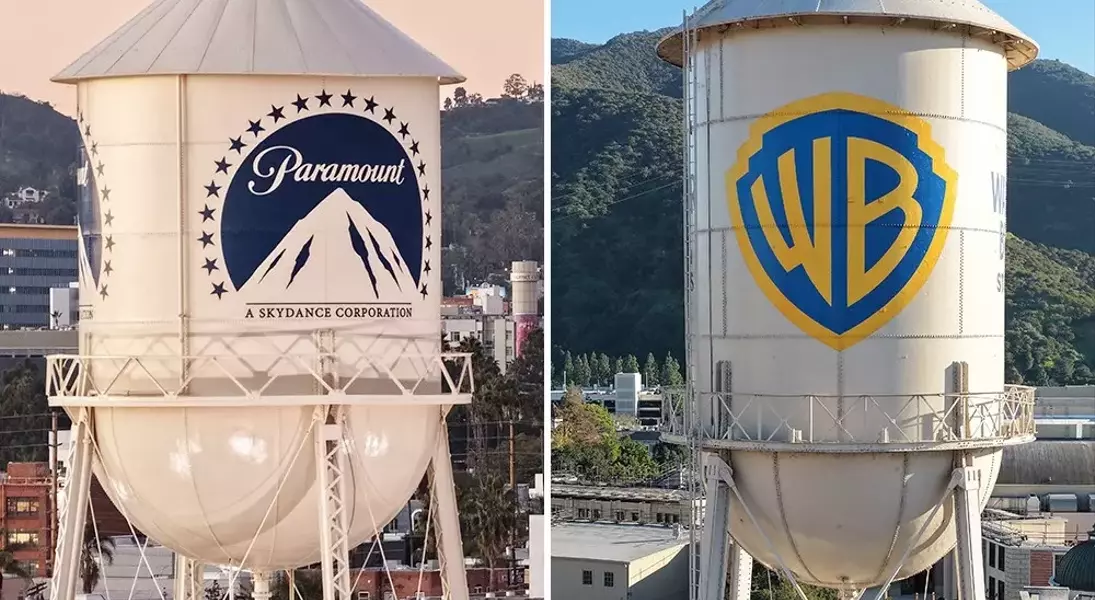
In an unexpected legal maneuver, the states of Iowa and Montana have petitioned the Supreme Court to intervene in a high-stakes antitrust dispute. They are seeking to block a lawsuit filed by California and eleven other states, which challenges the proposed merger between entertainment giants Paramount and Warner Bros. Discovery. This action by the two Midwestern states casts the original lawsuit as a politically driven effort that disregards broader economic implications and existing federal clearances.
States Clash Over Merger Enforcement
The core of the issue revolves around divergent interpretations of antitrust enforcement and states' jurisdictional reach. Iowa and Montana argue that the California-led lawsuit represents an overreach of authority, potentially setting a precedent where a minority of states could obstruct significant economic transactions approved by federal regulators and a majority of other states. They contend that the Supreme Court is the sole appropriate venue to resolve such inter-state conflicts, highlighting their concern that the ongoing litigation negatively impacts their own state economies and residents who benefit from the merger.
This appeal to the highest court in the land underscores a deepening ideological rift concerning how antitrust laws should be applied, particularly in large-scale corporate mergers. Iowa and Montana’s filing explicitly claims the California-led suit is a "politicized enforcement action," asserting that it infringes upon the quasi-sovereign interests of other states and disrupts a federally approved merger. Legal experts, however, are skeptical about the Supreme Court's willingness to entertain such a motion, given its traditional role in inter-state disputes primarily involving boundaries or resources, rather than commercial litigation where states are not direct parties. The potential for the Supreme Court to weigh in on this matter could redefine the scope of state-level antitrust challenges.
Paramount-Warner Bros. Merger Faces Political and Legal Hurdles
The legal challenge from Iowa and Montana adds a new layer of complexity to the already contentious Paramount-Warner Bros. Discovery merger. While the deal has received regulatory approval from numerous international jurisdictions, it remains stalled by the antitrust lawsuit spearheaded by California. This state-level opposition focuses on concerns about reduced competition in the theatrical film, blockbuster distribution, and basic cable television markets. The ongoing litigation has already prompted Paramount to pause the merger until a scheduled trial in March 2027, incurring substantial daily costs payable to Warner Bros. Discovery shareholders.
Amidst these legal battles, there have been increasing calls for a settlement, including from the Mayor of Los Angeles, major theater chains, and prominent industry unions like the DGA and IATSE. However, attempts at negotiation between Paramount and the California Attorney General have faltered, with disagreements surfacing over the transparency of discussions and the necessity of "robust structural remedies," such as asset sales, to alleviate anticompetitive concerns. Iowa and Montana's move, framed as a defense against California's perceived overreach, seeks a swift resolution to a dispute that they believe is unduly delaying an otherwise beneficial economic integration, emphasizing that the merger's broad approval by most states and federal bodies should prevail.
