Microsoft is reportedly initiating a significant strategic adjustment, moving away from a primary focus on artificial intelligence enhancements in Windows 11 to prioritize fundamental improvements in system performance, stability, and overall user satisfaction. This pivot follows extensive feedback from users highlighting numerous operational issues and a general desire for a more robust and reliable operating system.
Microsoft Pledges Enhanced Windows 11 Experience Following User Outcry
In a recent announcement, Pavan Davuluri, the president of Windows and devices at Microsoft, confirmed the company's renewed commitment to addressing longstanding user frustrations. Davuluri articulated that the current year would see a concentrated effort on resolving critical pain points consistently reported by customers, specifically targeting system performance, reliability, and the comprehensive user experience of Windows 11. This initiative is reportedly being executed through an internal process dubbed 'swarming,' where a large contingent of engineers is mobilized to tackle and rectify pressing issues efficiently.
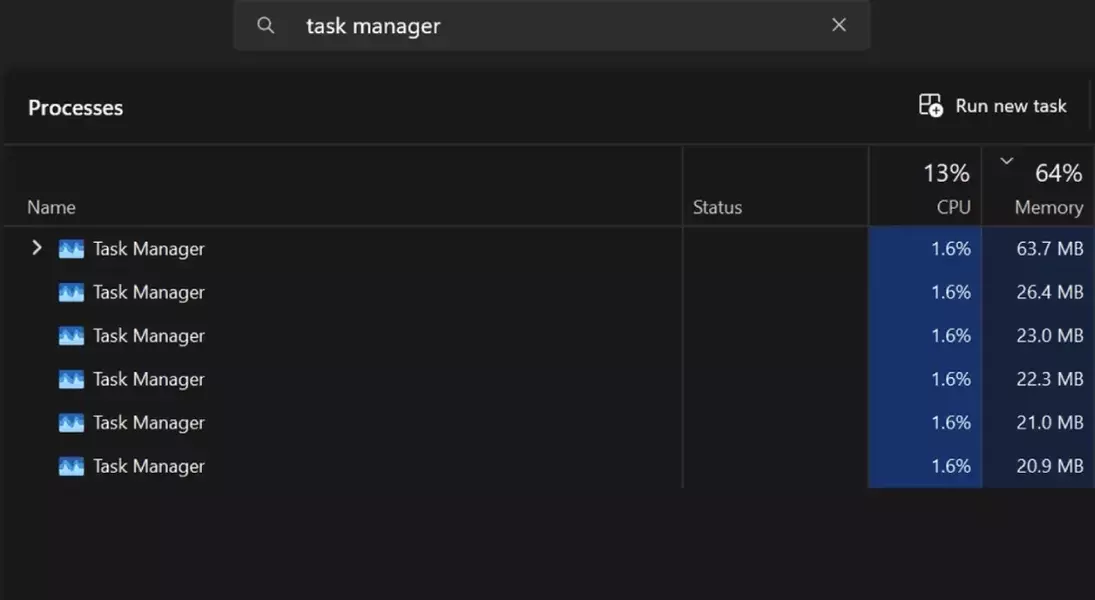
Over the past year, Windows 11 users have voiced considerable discontent regarding a spectrum of problems. These range from minor glitches, such as the Task Manager failing to properly close and peripherals encountering issues within the recovery environment, to more disruptive bugs like a 'flashbang' effect in File Explorer's dark mode and new issues arising from previous update failures. Beyond these functional problems, users have also expressed dissatisfaction with intrusive elements like persistent OneDrive pop-ups and the integration of web search results into local searches, collectively contributing to a perception of declining overall performance.
This widespread user dissatisfaction is particularly acute among those who transitioned from Windows 10, often compelled by its impending end-of-life status. Many users upgraded with the expectation of a seamlessly functioning system, only to be met with an operating system plagued by various instabilities. The growing frustration has even led some users to explore alternative operating systems like Linux, which has seen improvements in its gaming capabilities and now boasts a collaborative initiative among different distributions to enhance the open-source gaming ecosystem. Coupled with reports of declining Xbox hardware sales and overall gaming revenue for Microsoft, these factors appear to have galvanized the company to re-evaluate its priorities. While Windows maintains a dominant market position and power users represent a smaller segment, the accumulating discontent is significant enough to warrant a serious response. Microsoft's current endeavor to focus on core operational excellence is viewed as a positive step, provided these commitments translate into tangible improvements.
This shift from Microsoft highlights a crucial lesson for tech giants: user experience, rooted in performance and reliability, remains paramount. While innovation, particularly in AI, is important, it should not come at the expense of an operating system's fundamental stability. For users, this announcement offers a glimmer of hope that Windows 11 will evolve into a more dependable and enjoyable platform, alleviating the frustrations that have driven many to seek alternatives. It underscores the power of collective user feedback in shaping product development and the ongoing challenge for companies to balance cutting-edge features with foundational quality.
