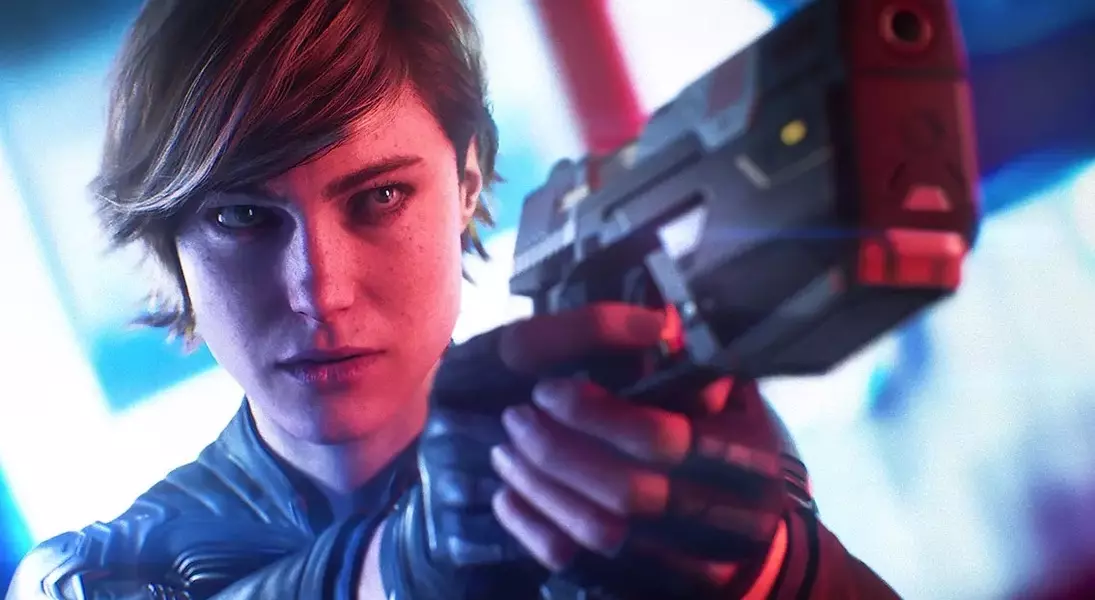
The potential revival of the highly anticipated video game, Perfect Dark, has been thwarted once again. Following significant layoffs at Xbox in July, which led to the initial cancellation of the game’s development, a glimmer of hope emerged when Microsoft extended an opportunity to Crystal Dynamics, co-developers of the game, to salvage the project. However, this second chance proved futile as intricate discussions between Crystal Dynamics’ parent company, Embracer Group, and gaming giant Take-Two, fell apart. The primary sticking point was the long-term intellectual property rights of the Perfect Dark franchise, a classic series known for its complicated ownership history.
Perfect Dark's Revival Derailed by Ownership Dispute
In the vibrant summer of July 2025, the gaming world witnessed sweeping layoffs at Microsoft's Xbox division. These reductions drastically impacted the primary studio behind the highly anticipated 'Perfect Dark' title, leading to its official discontinuation. Yet, a unique turn of events unfolded when Microsoft, showing a flicker of commitment to the franchise, offered a lifeline to Crystal Dynamics. This esteemed studio, renowned for its work on the 'Tomb Raider' series, had been a co-developer on 'Perfect Dark'.
Crystal Dynamics, itself owned by the Embracer Group – a conglomerate that has faced its own share of well-documented operational difficulties – embarked on critical negotiations. The goal was to secure a partnership with Take-Two, another titan in the publishing industry, which would involve the acquisition, financial backing, and eventual release of the game. However, these complex discussions, aimed at bringing the dormant franchise back to life, ultimately faltered.
According to confidential sources close to the negotiations, a major stumbling block was the contentious issue of long-term ownership of the 'Perfect Dark' intellectual property. Microsoft, having acquired the rights when it purchased Rare in 2002, reportedly stood firm on retaining control. This disagreement over the franchise's future led to the complete breakdown of the deal. Consequently, Crystal Dynamics was forced to undertake further layoffs, as reported by IGN, and has now, regrettably, fully withdrawn from the 'Perfect Dark' project.
This unfortunate outcome echoes historical licensing challenges that have plagued the gaming industry, reminiscent of the lengthy dormancy of 'Goldeneye 007,' the spiritual predecessor to 'Perfect Dark.' While Microsoft demonstrated a willingness to negotiate intellectual property in another recent case, successfully selling 'Hi-Fi Rush' developer Tango Gameworks to Krafton, the situation with 'Perfect Dark' proved different. The lack of a completed, acclaimed product like 'Hi-Fi Rush' and the ensuing public pressure likely altered the dynamic, leaving 'Perfect Dark' in a state of indefinite suspension.
This saga serves as a stark reminder of the complexities involved in intellectual property ownership within the dynamic gaming industry. The ambitious re-launch of 'Perfect Dark' was not simply a technical or creative challenge but also a significant corporate negotiation. The inability of powerful entities to find common ground on ownership rights has once again led to the shelving of a potentially iconic title. For the dedicated fan base, this outcome is undoubtedly disheartening. It underscores a critical lesson: in the world of entertainment, intellectual property rights can sometimes dictate creative destinies more powerfully than artistic vision or market demand.
