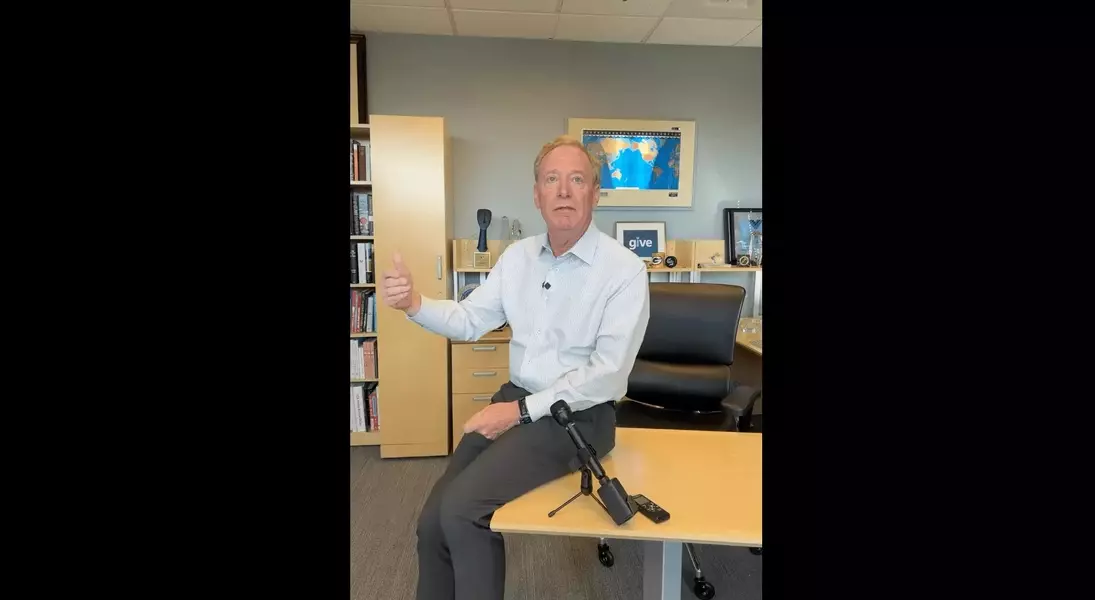
Microsoft's headquarters recently became the scene of an unexpected protest, prompting company president Brad Smith to hold an emergency press conference. Just hours after activists from the \"No Azure for Apartheid\" group gained access to a building and staged a sit-in within his office, Smith addressed the events, reaffirming the company's dedication to scrutinizing how its Azure cloud platform is being utilized in Israel. He acknowledged that while some findings from a recent report on the matter were disputed by Microsoft, others necessitated thorough investigation, a process already underway.
During the press conference, Smith conveyed a firm stance against the methods employed by the protestors. He detailed how seven individuals, including two Microsoft employees, forcibly entered the premises, occupied his office, and even attempted to plant listening devices. Smith unequivocally stated that these actions, characterized by him as \"storming a building\" and refusing to comply with requests to leave, were unacceptable. The protestors were subsequently removed by Redmond police, underscoring the company's zero-tolerance policy for disruptive and unauthorized activities that compromise workplace security and order.
This incident is not an isolated event, as the \"No Azure for Apartheid\" group has previously disrupted Microsoft's public presentations to demand the termination of contracts with the Israeli government and military. While Microsoft continues its internal investigation to ensure adherence to its human rights principles and terms of service in the Middle East, the company is also asserting the need for respectful and lawful engagement, emphasizing that activism, while important, must not cross the line into disruptive or invasive behavior.
In navigating the complexities of global operations and ethical responsibilities, corporations face the dual challenge of addressing societal concerns while maintaining operational integrity. Microsoft's response highlights the delicate balance between corporate accountability and the need to uphold standards of conduct, emphasizing that open dialogue and investigations are the appropriate channels for addressing grievances, rather than disruptive and unauthorized demonstrations. This event serves as a reminder that transparency and adherence to ethical guidelines are crucial for companies operating on a global scale, fostering an environment where concerns can be addressed constructively and respectfully.
