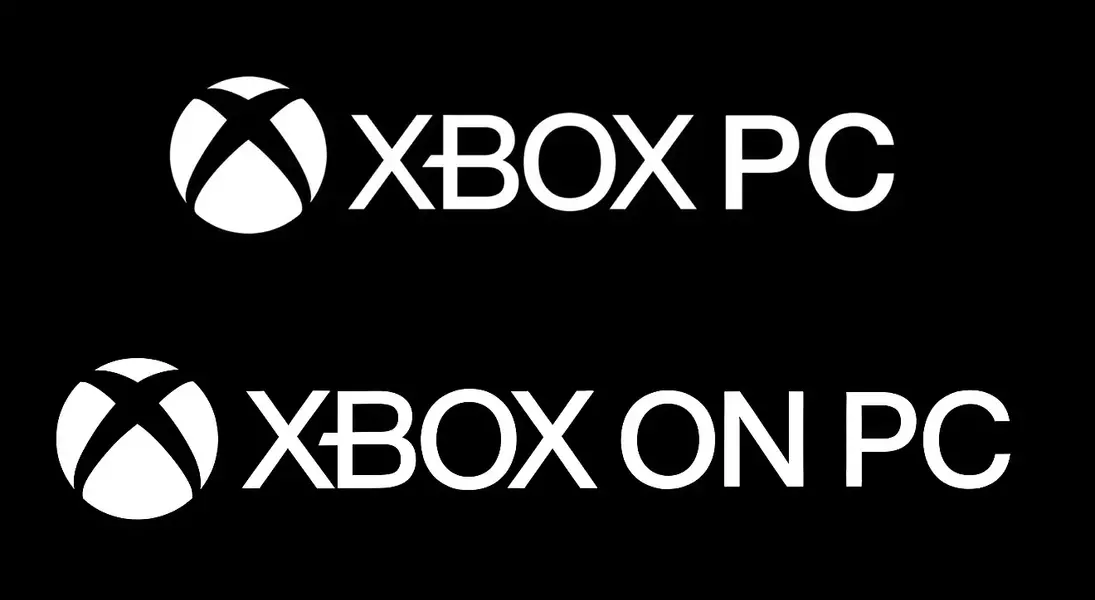
Microsoft's latest branding modifications for its PC gaming ecosystem have introduced a wave of uncertainty regarding the company's long-term strategy for integrating its console and personal computer platforms. The rapid shift from "Xbox PC" to "Xbox on PC" within a mere few weeks highlights a potential lack of clarity in their marketing approach. This inconsistency raises questions about Microsoft's vision for a unified gaming experience across different devices. The company's efforts to bridge the gap between Xbox consoles and Windows PCs are significant, particularly as they prepare for the next generation of Xbox hardware. However, clear and consistent branding is crucial to effectively communicate this evolving strategy to both developers and consumers.
The Evolving Nomenclature of Microsoft's PC Gaming Initiatives
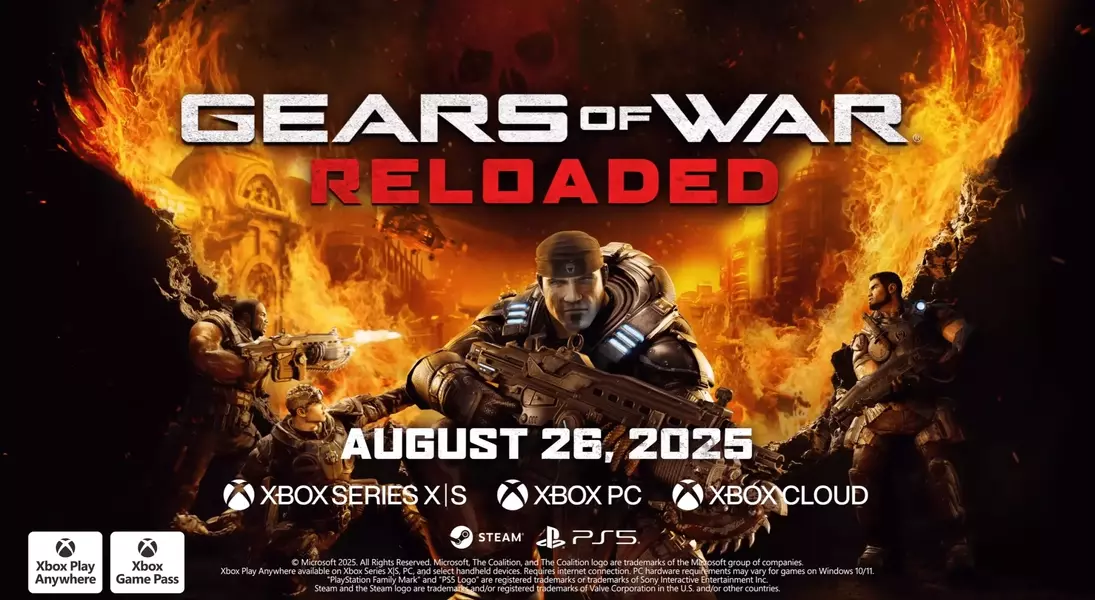
In early May of 2025, during the momentous announcement of the remastered Gears of War, Microsoft officially unveiled its new "Xbox PC" designation. This innovative branding endeavor was intended to clearly signify the availability of Xbox titles on personal computers through Microsoft's dedicated Xbox PC application and digital storefront. However, this fresh nomenclature proved to be remarkably short-lived. Within a matter of weeks, by late June, the technology giant began to pivot towards the alternative phrase, "Xbox on PC." This perplexing change was evident in various official communications, including the significant announcement for Hellblade II Enhanced on June 25th, where both terms were bewilderingly used interchangeably within the same blog post, sowing seeds of confusion among its loyal fanbase.
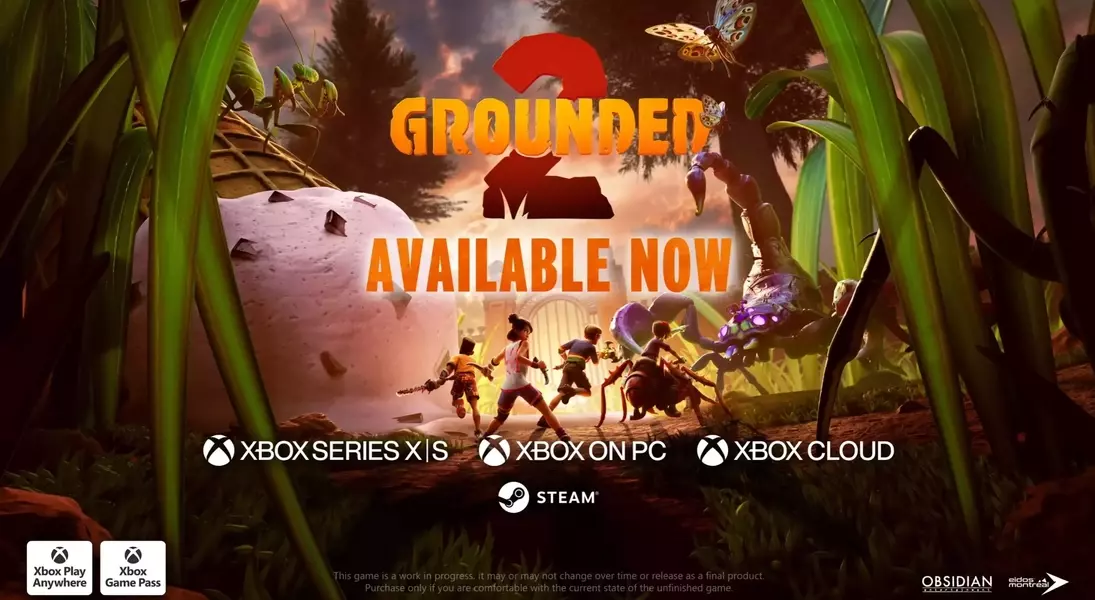
This pattern of inconsistent branding continued with other prominent game titles. For instance, the acclaimed Xbox game studio World's Edge initially employed the "Xbox PC" terminology in the captivating trailer for an expansion to Age of Mythology: Retold in June. Yet, merely a day later, the pre-order blog post for the very same expansion had conspicuously adopted the "Xbox on PC" branding. Similarly, the highly anticipated Grounded 2 was first introduced as an "Xbox PC" title last month, only to be re-categorized under the "Xbox on PC" banner in its recent early access trailer. This frequent alteration in terminology has not only bewildered the gaming community but also underscores the inherent challenges Microsoft faces in clearly defining its cross-platform gaming ecosystem.
The subtle distinction between "Xbox PC" and "Xbox on PC" carries considerable implications. The former suggests a dedicated Xbox hardware experience tailored for PCs, potentially positioning it as a direct competitor to established platforms like Steam. Conversely, "Xbox on PC" implies that Xbox games are merely accessible on personal computers, rather than a distinct hardware or software offering. This nuanced difference can significantly influence consumer perception and market positioning. Microsoft has previously encountered similar branding dilemmas; four years prior, their "Xbox Game Pass for PC" subscription was simplified to "PC Game Pass" due to widespread confusion. The ongoing attempt to harmonize PC and Xbox experiences is a complex undertaking, especially as the company gears up for its next-generation Xbox consoles, which are expected to feature even deeper integration with the Windows operating system. Audiences anticipate further revelations regarding this ambitious integration at the upcoming Gamescom event.
Navigating the Semantic Labyrinth of Platform Branding
From a journalist's perspective, observing Microsoft's continuous adjustments to its Xbox PC branding highlights a critical challenge in an increasingly interconnected gaming landscape. The rapid oscillation between "Xbox PC" and "Xbox on PC" within such a short timeframe isn't just a minor marketing quibble; it reflects a broader struggle to articulate a cohesive identity for Xbox's presence beyond its traditional console hardware. This kind of indecision can lead to significant market confusion, potentially eroding trust and making it harder for consumers to understand the value proposition of Microsoft's cross-platform gaming initiatives. It suggests that even tech giants grapple with defining their offerings in a way that resonates clearly with their audience.
For players, this branding uncertainty could create barriers to entry or lead to misunderstandings about what they are purchasing or subscribing to. If Microsoft aims to truly redefine the Xbox brand as a universal gaming platform spanning numerous devices—from handheld PCs to VR headsets—it needs to present a unified and unambiguous message. The current situation, reminiscent of past branding missteps like "Windows Mobile-esque branding changes," serves as a cautionary tale. It underscores that successful brand expansion relies not just on technological innovation but also on clear, consistent, and compelling communication that instills confidence and excitement, rather than bewilderment, in the minds of its target audience.
