
Recent developments within Microsoft's gaming division reveal a concerning trend, with whispers circulating about the potential closure of several prominent game development houses. This strategic realignment is poised to trigger significant workforce reductions across the Xbox ecosystem, underscoring a persistent challenge in Microsoft's long-term vision for its interactive entertainment ventures.
Microsoft's Shifting Strategy in the Gaming Landscape
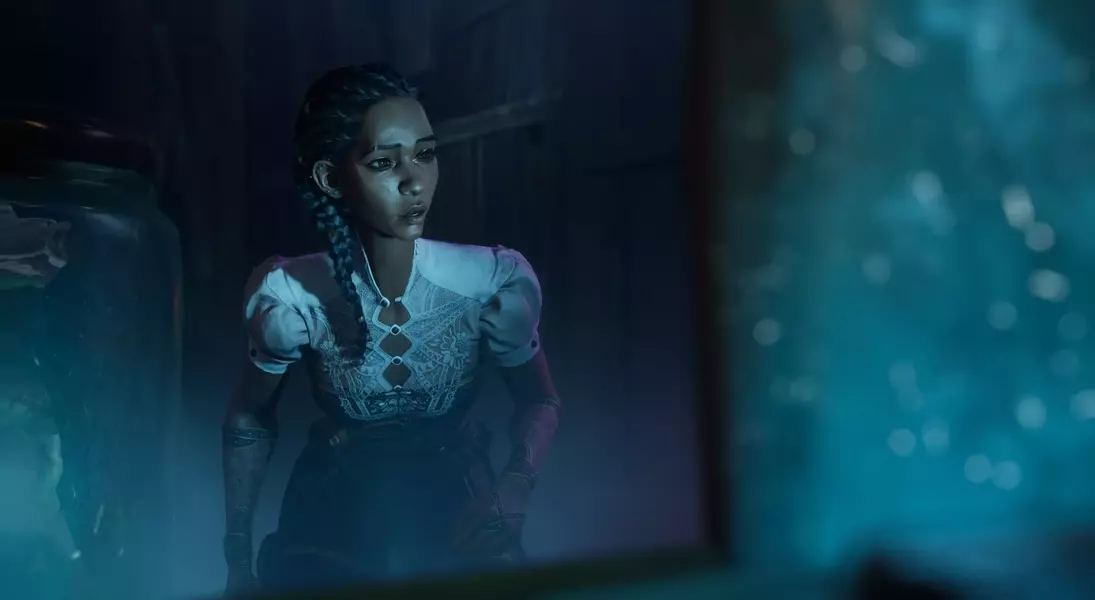
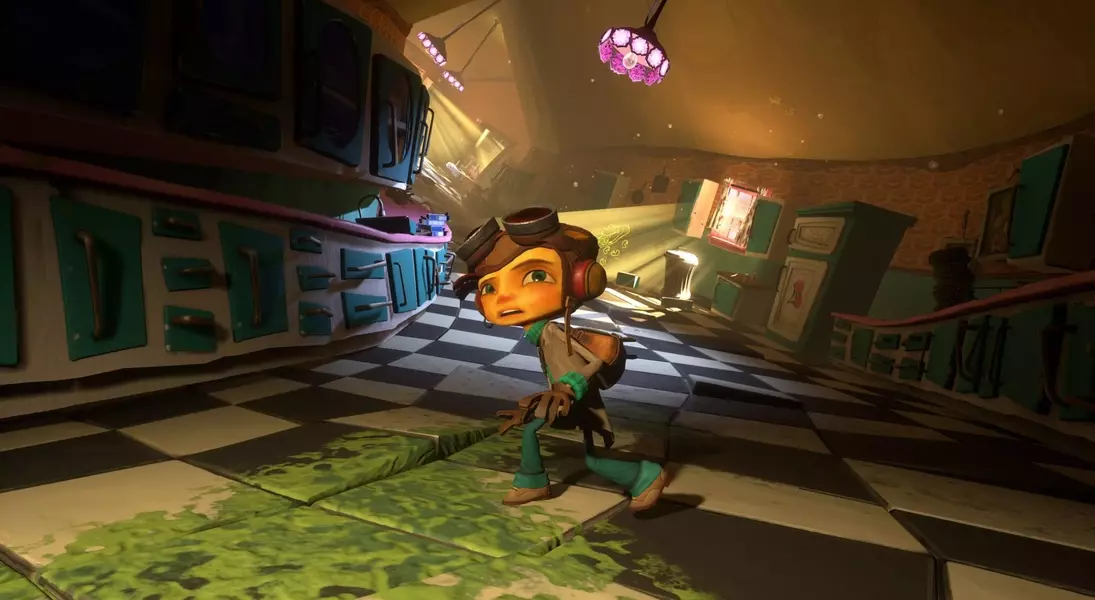
In a move that has sent ripples through the gaming community, reports from June 2026 suggest that Microsoft is contemplating the closure of three notable game studios: Double Fine, Ninja Theory, and Compulsion Games. This contemplation is not isolated, as broader implications point towards substantial layoffs impacting various segments of the Xbox group, including personnel at Blizzard, Activision, and Bethesda. This critical juncture emerges as the current Xbox Series consoles face market challenges and the Game Pass subscription service experiences a plateau in growth, especially in the wake of the Activision acquisition.
This situation brings to light Microsoft's historical difficulties in integrating and managing acquired game studios. Despite its substantial investments, including the acquisitions of Bethesda in 2021 and Activision Blizzard in 2023, the company has often struggled to foster an environment where creative entities can truly flourish. The success of Mojang Studios and its flagship title, Minecraft, stands as a rare exception, perhaps due to its unique operational model that aligns more closely with Microsoft's enterprise software expertise rather than the traditional artistic and entertainment-driven nature of most video games. This dichotomy highlights a fundamental disconnect in how Microsoft approaches the creative and commercial aspects of game development, a gap that competitors like Sony and Nintendo have historically navigated with greater success.
The strategic leadership under former Xbox CEO Phil Spencer, while driven by genuine enthusiasm for gaming, often resulted in an expansive acquisition strategy without a clear, sustainable framework for integrating these diverse creative teams. The new Xbox CEO, Asha Sharma, is now tasked with navigating this complex landscape. While she is reportedly considering a renewed focus on established, major franchises such as Elder Scrolls, Fallout, and Halo, industry experts caution against the feasibility of 'fast-tracking' AAA game development. Such endeavors typically require extensive timelines, often spanning five to eight years, a commitment that may clash with short-term business pressures.
Amidst these changes, there's a growing recognition within the industry that relying solely on blockbuster titles might not be a viable long-term strategy. The emergence of successful mid-sized 'AA' productions, exemplified by titles like Clair Obscur: Expedition 33 and Subnautica 2, demonstrates that there are alternative pathways to success. These games, made available on platforms like Game Pass without requiring Microsoft's direct acquisition of their development studios, suggest a potential shift towards fostering independent innovation rather than direct ownership. The future of Xbox may hinge on its ability to embrace a more adaptable and nuanced approach to game publishing, moving beyond a quarter-century of inconsistent strategic decisions.
The unfolding events at Microsoft's gaming division offer a stark reminder of the intricate balance required to sustain creative endeavors within a large corporate structure. It underscores the perpetual challenge of integrating artistic vision with commercial objectives, particularly in an industry as dynamic and innovation-driven as video games. For studios, it highlights the double-edged sword of acquisition: while offering financial security, it can sometimes stifle the very creative independence that makes them valuable. For players, it raises questions about the long-term diversity and quality of content from a major platform holder. Perhaps this period of introspection and restructuring will ultimately lead Microsoft to a clearer, more sustainable strategy for its significant role in the gaming world.
