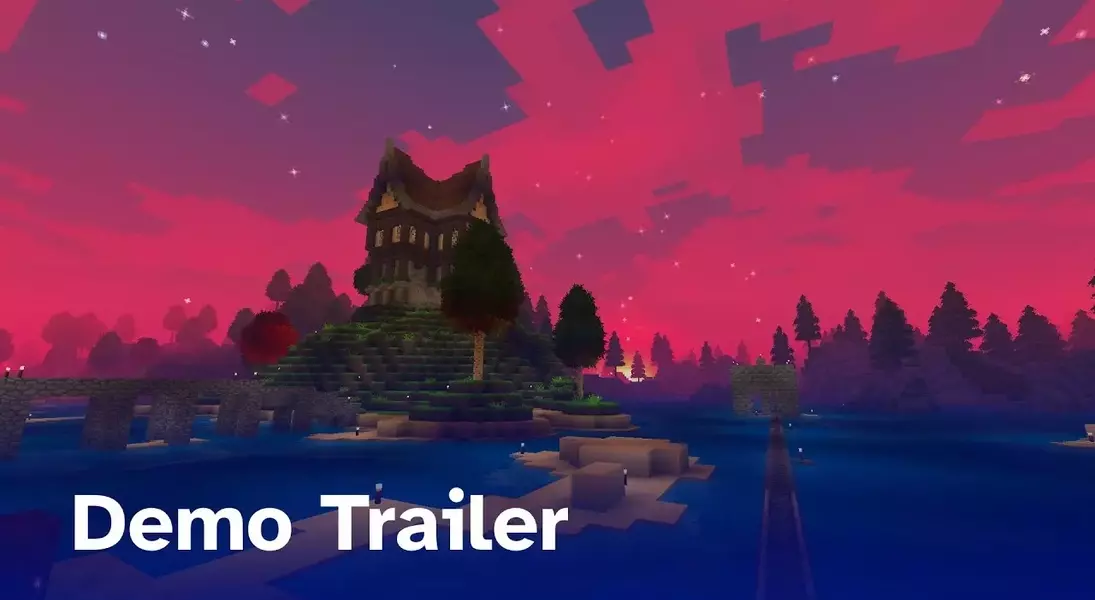
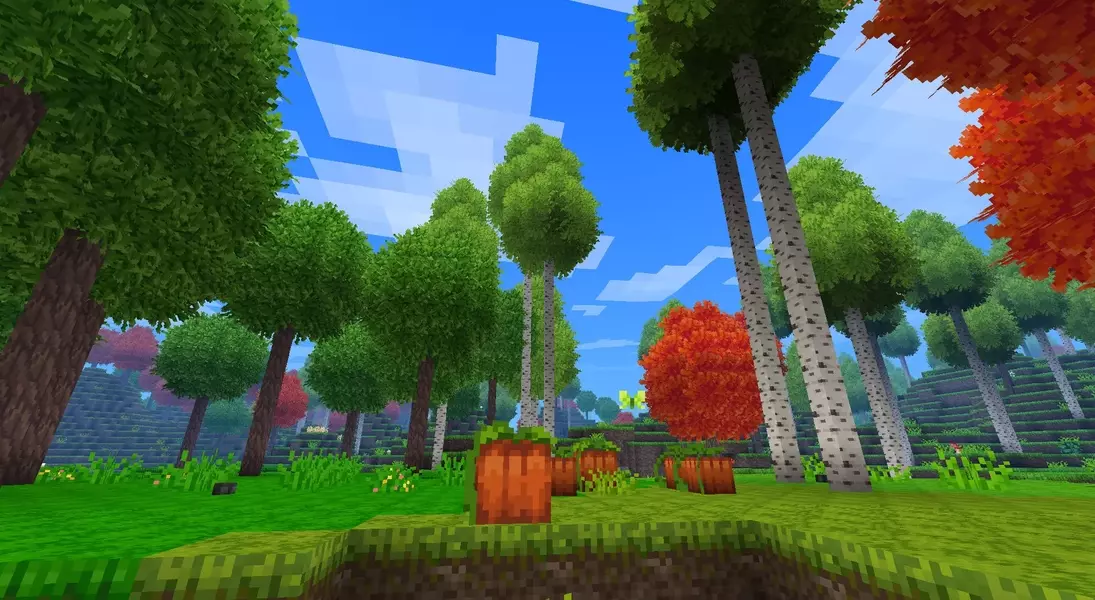
In a recent and surprising turn of events, Unomelon, the independent developer behind the voxel sandbox game Allumeria, found their project removed from Steam. This occurred just two weeks after an exciting announcement about its participation in Steam Next Fest, marking a significant setback after a year of dedicated development. The removal was prompted by a Digital Millennium Copyright Act (DMCA) takedown notice issued by Microsoft, which claimed that Allumeria infringed upon the copyright of their immensely popular game, Minecraft.
This incident has ignited a conversation within the indie game development community and among players, highlighting the complexities and challenges developers face when creating games inspired by established titles. While the visual similarities between Allumeria and Minecraft are evident—both utilizing a voxel-based aesthetic and procedurally generated worlds—the precise nature of the alleged infringement remains a point of contention. The developer, Unomelon, expressed profound uncertainty about the future of their game, emphasizing the potential for automated systems to trigger such actions without thorough human review.
The Unexpected Takedown and Microsoft's Stance
The indie game developer Unomelon experienced a significant setback when their voxel-based sandbox game, Allumeria, was abruptly removed from Steam. This decision followed a DMCA takedown notice from Microsoft, citing copyright infringement related to Minecraft. The developer, who had spent a year bringing Allumeria to life and was looking forward to its debut in Steam Next Fest, expressed deep concern and confusion about the situation. The notice from Valve, conveying Microsoft's claim, stated that the alleged infringement involved the unauthorized use of Minecraft content, including gameplay and assets, without proper authorization. This move by a major corporation against a small indie developer has sparked considerable discussion within the gaming community.
Microsoft's claim, lodged through a representative, specifically highlighted similarities between Allumeria and Minecraft, although the precise elements of infringement beyond the general voxel aesthetic were not explicitly detailed in the public communication. The developer speculated that an automated claiming service, such as Tracer.AI, might be responsible for the takedown, suggesting that the visual resemblance alone could have triggered the system. This raises pertinent questions about the efficacy and fairness of automated copyright enforcement, especially when distinguishing between inspiration and direct infringement. The incident contrasts sharply with other Minecraft-like games, such as Hytale and Vintage Story, which have not faced similar legal challenges, further deepening the developer's perplexity and the community's concern.
Navigating the Future and Industry Implications
In the wake of the DMCA takedown, Unomelon is exploring options to reinstate Allumeria on Steam, primarily through filing a counter-notice. According to Valve's policy, if Microsoft does not initiate formal legal proceedings within ten days of the counter-notice, Allumeria could be restored to the platform. This process places a considerable burden on the indie developer, who must now contend with legal complexities and the financial implications of a potential legal battle against a corporate giant. The situation underscores the precarious position of small developers when intellectual property disputes arise, particularly when facing large companies with extensive legal resources.
This incident has broader implications for the gaming industry, prompting a reevaluation of how copyright laws are applied to games that draw inspiration from popular predecessors. The use of voxel graphics and procedurally generated worlds is not unique to Minecraft, and many games have successfully carved out their niches within this genre without facing infringement claims. The community's reaction, including calls from other developers for a clear statement from Mojang (the creators of Minecraft and a subsidiary of Microsoft), reflects a desire for greater clarity and consistency in copyright enforcement. This case could set a precedent for how inspiration is differentiated from infringement in the rapidly evolving landscape of game development, emphasizing the need for transparent guidelines and potentially more nuanced review processes than purely automated systems.
