
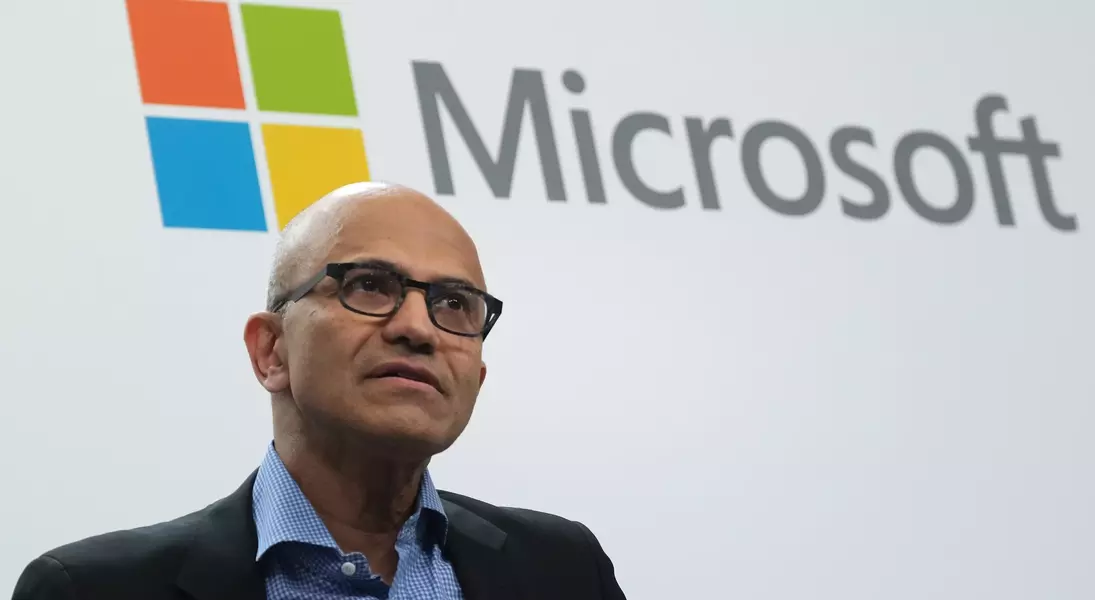
Microsoft is embarking on a pivotal journey to revitalize user enthusiasm for its flagship operating system, Windows 11. This strategic pivot, spearheaded by CEO Satya Nadella, signals a concentrated effort to recalibrate the company's focus towards fundamental improvements and enhanced user interaction. The move comes as users voice increasing dissatisfaction with the current state of Windows 11, particularly concerning its performance and the prevalence of AI-centric updates over essential fixes. This initiative is designed to rekindle loyalty and foster a more engaged user base across Microsoft's diverse product ecosystem, including Xbox, Bing, and Edge.
Microsoft Rededicates to Core Windows Experience Amidst User Concerns
In a recent corporate communication, Microsoft's chief executive, Satya Nadella, revealed the technology giant's profound commitment to reinforcing the fundamental aspects of its consumer-facing offerings. During an earnings call on April 29, 2026, Nadella articulated a clear vision: to "win back fans and strengthen engagement" within the Windows ecosystem. This involves a critical reassessment of development priorities, moving away from a previous emphasis on AI features that many users found superfluous, and instead, concentrating on enhancements that directly impact daily usability and system stability. This strategic shift is particularly timely, as the discontinuation of Windows 10 support in late 2023 prompted numerous users to reluctantly transition to Windows 11, often encountering performance issues and a perceived lack of polish. In response, Microsoft has already begun implementing changes, such as optimizing Windows 11 for devices with limited memory, streamlining the update process, and refining core features. Pavan Davuluri, the Windows president, further elaborated on this renewed focus last month, promising to de-emphasize non-essential AI integrations and prioritize fundamental user-requested improvements. While the full extent of these changes, particularly regarding the retraction or repositioning of AI tools, remains a subject of ongoing discussion, early indications suggest a genuine effort to address user feedback. This concerted push towards quality and user-centric innovation is a crucial step for Microsoft as it seeks to prevent further user migration to alternative operating systems like Linux.
Microsoft's renewed emphasis on core functionality and user experience is a commendable and necessary step. In an era where technological advancements often outpace practical user needs, prioritizing stability, performance, and intuitive design is paramount. This strategic reorientation not only addresses immediate user frustrations but also lays the groundwork for a more robust and user-friendly Windows environment. It reminds us that at the heart of any successful technology lies a deep understanding and responsiveness to its users. By listening to feedback and acting decisively, Microsoft has the opportunity to not only reclaim its user base but also to set a new standard for software development that values practicality and reliability above all else.
