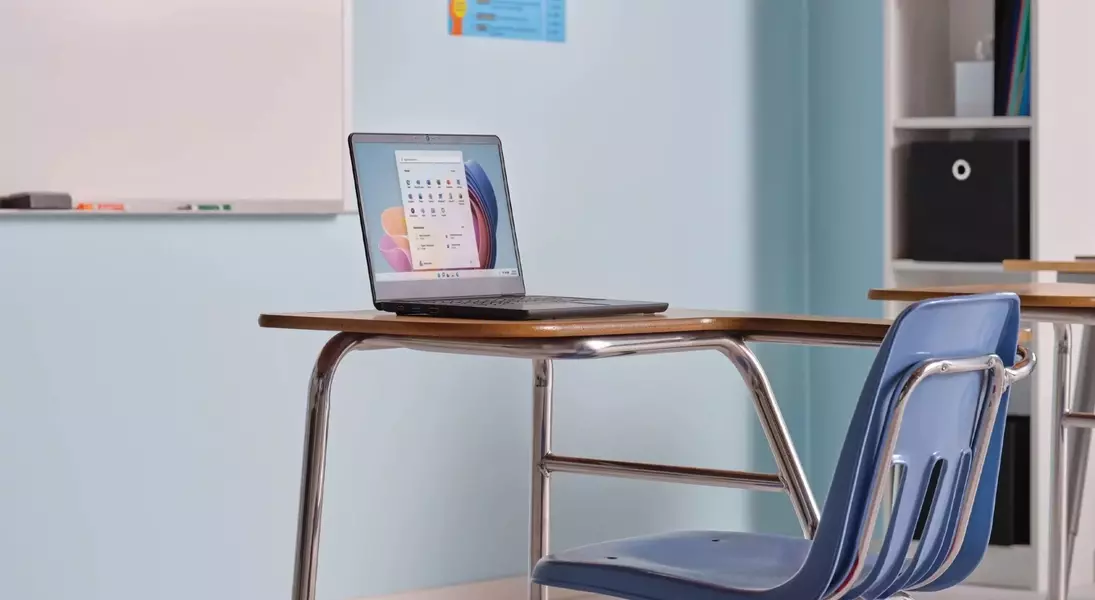
Microsoft is abandoning its Windows 11 SE operating system, a platform specifically tailored to challenge Google's Chromebooks in the educational market. This strategic shift, announced five years after its initial rollout, signifies a concession in the low-cost laptop segment. Support for Windows 11 SE will be phased out by October 2026, compelling existing users to transition to alternative Windows 11 versions for continued security and technical assistance. This decision reflects a broader trend of diminishing demand for Chromebooks and a resurgence in the Windows PC market.
The cancellation of Windows 11 SE support highlights Microsoft's persistent challenges in establishing a strong foothold against Chrome OS. Despite previous attempts, such as Windows 10 S Mode, the company has struggled to win over the education sector with simplified, locked-down operating systems. This move indicates a renewed focus on core Windows 11 offerings, as the industry observes a significant uptick in PC upgrades, predominantly favoring Windows, rather than a mass migration to Chrome OS.
The End of an Era: Windows 11 SE's Sunset
Microsoft is ceasing development and support for Windows 11 SE, its dedicated operating system for affordable educational laptops, which was originally conceived to rival Google's omnipresent Chromebooks. Launched half a decade ago, this specialized version of Windows aimed to penetrate the academic market by offering a streamlined experience on budget-friendly devices. However, this initiative will conclude as Microsoft has declared that all software updates, technical assistance, and vital security patches for Windows 11 SE will conclude by October 2026. This means that devices running this OS will remain on the 24H2 update, foregoing any future enhancements, including the forthcoming 25H2 update, until their eventual obsolescence.
This strategic retreat affects numerous hardware manufacturers including Acer, Asus, Dell, Dynabook, Fujitsu, HP, JK-IP, Lenovo, and Positivo, all of whom have previously released Windows 11 SE-powered laptops, with Microsoft itself having introduced the $249 Surface Laptop SE in 2021. The discontinuation of Windows 11 SE illustrates Microsoft's ongoing struggle to effectively compete with the Chrome OS ecosystem, a challenge it has faced multiple times. Prior attempts, such as Windows 10 S Mode, which restricted users to applications from the Microsoft Store, often resulted in user frustration due to limited software availability. Windows 11 SE adopted a similar philosophy, promoting Progressive Web Apps (PWAs) over traditional Win32 applications, requiring IT administrators to implement specific exceptions for desktop software, and imposing a stringent whitelist for approved applications. This restrictive environment, combined with declining Chromebook shipments, has ultimately sealed Windows 11 SE's fate.
Market Dynamics and Microsoft's Shifting Focus
Microsoft's decision to discontinue Windows 11 SE is a direct response to evolving market dynamics and declining demand for low-cost, simplified operating systems. The initial objective of Windows 11 SE was to provide a robust, cloud-centric alternative to Chromebooks, particularly for educational institutions seeking affordable and manageable computing solutions. However, recent analyses from industry leaders like Gartner have indicated a significant downturn in Chromebook market share, attributing this decline to a shrinking customer base and perceived lower build quality of devices running the OS. This shift has prompted Microsoft to re-evaluate its strategy in the education segment, acknowledging that the landscape has changed considerably since Windows 11 SE's inception.
The global PC market is currently experiencing a significant refresh cycle, primarily driven by upgrades to full-featured Windows 11 systems rather than a widespread adoption of Chrome OS. This trend suggests that educational institutions and individual consumers alike are opting for the more versatile and comprehensive Windows experience, underscoring a preference for traditional desktop applications and broader software compatibility. By phasing out Windows 11 SE, Microsoft can now channel its resources more effectively towards enhancing its primary Windows 11 platform, ensuring it remains competitive and relevant in a dynamic technological environment. This move, therefore, represents a pragmatic adjustment to market realities, allowing Microsoft to consolidate its efforts and strengthen its core operating system offerings amidst a changing competitive landscape.
