

Software developers often embed playful secrets, known as Easter eggs, into their creations, and Microsoft is no exception. Throughout its history, the company has integrated various hidden features into Windows programs. These range from simple visual gags, like a teapot appearing in the Windows 95 Pipes screensaver, to more interactive elements, such as a secret magic 8-ball in Microsoft Access.
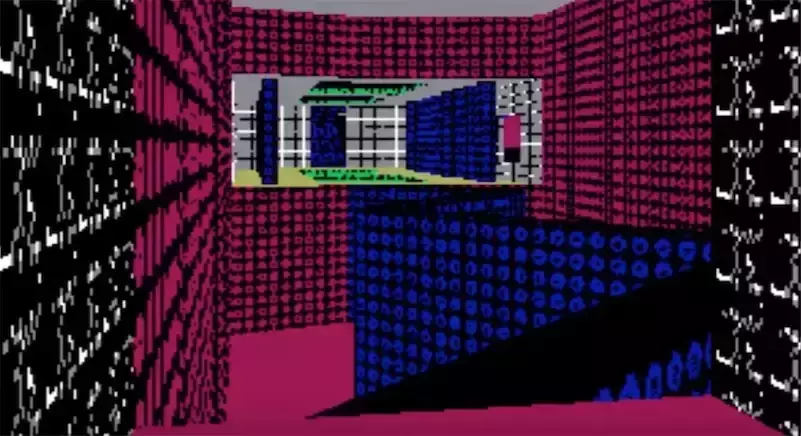
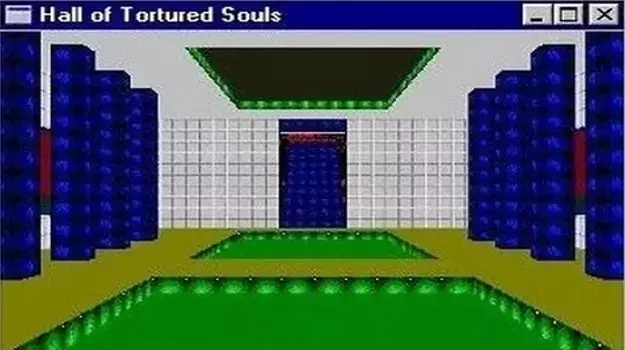
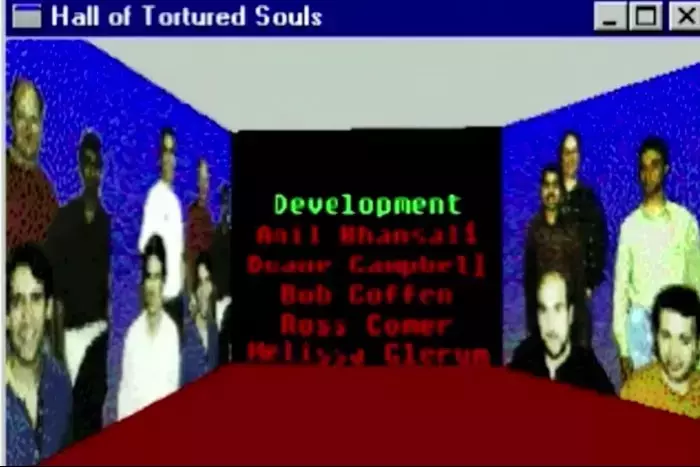
Among these, the most notable and controversial is the "Hall of Tortured Souls." This elaborate 3D maze, concealed within Excel 95, served as a creative way to display the names of the development team. However, this seemingly innocent tribute inadvertently became the focal point of a widespread and outlandish internet rumor suggesting that Microsoft founder Bill Gates was the Antichrist. Accessing this hidden chamber involved a specific sequence of actions within Excel 95, leading users into a retro, Doom-like environment adorned with scrolling credits and an abstract, geometric landscape.
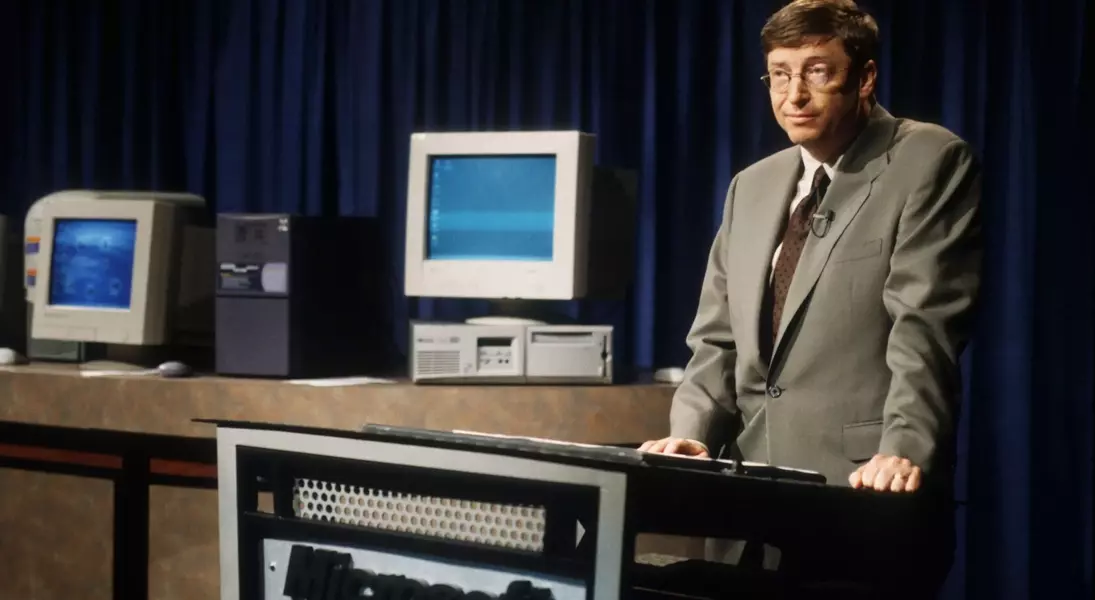
The internet's reaction to the "Hall of Tortured Souls" was initially one of curiosity, with early discussions on platforms like Usenet archives reflecting a mix of appreciation and cynical humor. However, by late 1997, a chain email began circulating, transforming the narrative surrounding the Easter egg. This email, citing a flawed numerological interpretation of Bill Gates' name and Microsoft product titles, propagated the idea that the number 666, often associated with the Antichrist, was hidden within these terms. The email further leveraged the "Hall of Tortured Souls" as supposed evidence that Microsoft was embedding secret, sinister messages into its software, implying a grander conspiracy for global control by Bill Gates.
This historical episode serves as a powerful reminder of how easily innocuous elements can be twisted into narratives of alarmism and unfounded suspicion. The "Antichrist" theory, fueled by the "Hall of Tortured Souls" and questionable numerology, gained traction in the nascent days of the internet, demonstrating the viral nature of conspiracy theories. It highlights the importance of critical thinking and media literacy in navigating information, especially in an age where information, both factual and fabricated, spreads with unprecedented speed. This saga underscores the ongoing challenge of distinguishing between innocent creativity and deliberate misinformation, and the need to foster a discerning approach to information consumption in our digital world.
