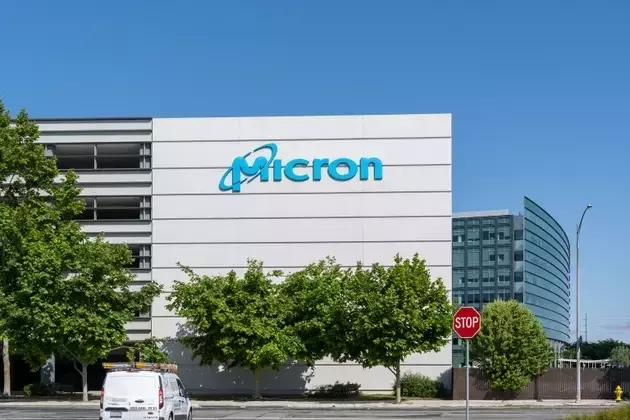
After an astonishing surge in value, Micron (MU) has achieved a market capitalization exceeding $1.1 trillion. This remarkable growth is largely attributed to a temporary supply-demand imbalance within the global DRAM and NAND sectors. Projections indicate the company's earnings per share could reach a peak of $163.85 by the fiscal year 2028. Recent reports for the third quarter of fiscal year 2026 reveal a substantial 67% increase in DRAM revenues quarter-over-quarter, driven by a surge in average selling prices, even as bit shipment volumes held steady. Looking ahead, Micron is set to embark on a massive investment program, earmarking over $250 billion for operations within the United States through 2035.
The Shifting Landscape of Memory Chip Manufacturing: Micron's Position and Future Outlook
In a dynamic shift within the semiconductor industry, Micron Technology, headquartered in Silicon Valley, California, has witnessed an extraordinary period of growth. Following a detailed assessment of the NAND memory sector, particularly in comparison to competitors, a closer examination of Micron's strategic positioning in both NAND and DRAM markets reveals significant insights. The company's impressive valuation surge to over a trillion dollars underscores the current market frenzy for memory solutions, driven by unprecedented demand and prevailing supply chain constraints. This unique market environment is enabling Micron to achieve substantial revenue increases, especially within its DRAM division, where average selling prices have soared.
Amidst this backdrop, key players such as SK Hynix are also preparing for massive expansion, with plans to double their overall production capacity in the coming five years. This impending surge in supply from major manufacturers, combined with Micron's own substantial investments in the U.S., raises crucial questions about the long-term market equilibrium. The potential for a significant increase in memory chip output coinciding with a possible deceleration in demand presents a complex challenge. The sustainability of hyperscalers' infrastructure build-out, which currently relies heavily on these memory components, will be tested under evolving market conditions.
This scenario prompts an important reflection: while the current momentum appears robust, the industry must prepare for the potential ramifications of increased production meeting a fluctuating demand landscape. The cyclical nature of the semiconductor market, characterized by periods of boom and bust, suggests a need for cautious optimism. The rapid expansion of manufacturing capabilities, though indicative of strong current demand, could lead to an oversupply in the future, impacting pricing and profitability. It is essential for industry leaders and investors to carefully monitor these dynamics to navigate the intricate path ahead successfully.
