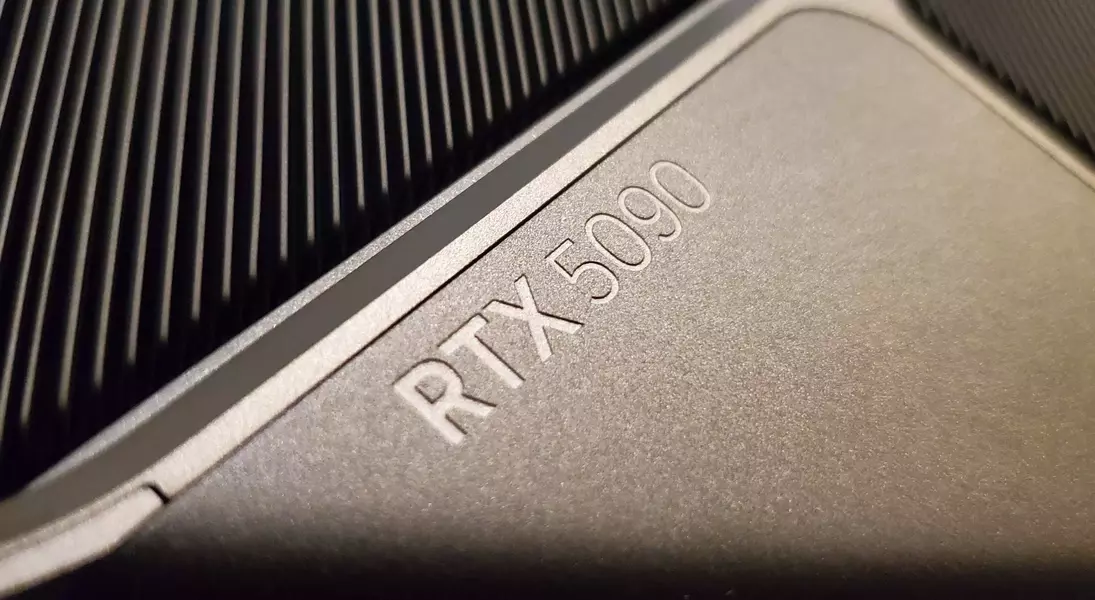
Micro Center has introduced a new policy for customers acquiring gaming systems equipped with RTX 5090 graphics processing units. Purchasers are now mandated to sign a declaration, committing that these products will not be shipped out of the country. This move appears to be a direct response to issues of price inflation and the unauthorized movement of high-performance graphics cards, especially towards markets in China, influenced by the ongoing global competition in artificial intelligence development.
This initiative also includes a requirement for buyers to present their driver's licenses for identity verification, theoretically enabling the store to trace any subsequently exported GPUs back to their original purchasers via serial numbers. However, the practical enforceability of such a declaration, particularly if a customer resells or transfers ownership of the PC after purchase, remains a subject of discussion.
Tackling Unauthorized Export of Graphics Cards
Micro Center has taken steps to address the growing concern of high-end graphics cards being bought and then illegally exported, often leading to inflated prices on the secondary market. By requiring customers to sign a formal declaration, the retailer aims to deter individuals from purchasing powerful GPUs, such as the RTX 5090, with the intent of circumventing export restrictions. This strategy underscores the broader effort to maintain the supply of advanced technology within the domestic market and support national interests in the development of artificial intelligence capabilities, aligning with governmental efforts to control the flow of cutting-edge hardware.
The new policy at Micro Center, which surfaced after a Reddit user shared their experience of acquiring a prebuilt PC containing an RTX 5090, represents a significant shift in retail practices for high-demand components. The declaration explicitly states that the product is intended for personal or legitimate business use within the United States. This measure, coupled with mandatory identity verification, creates a paper trail that could potentially link an illegally exported GPU back to its original buyer. This attempt to add a layer of accountability is a direct response to the difficulty in securing these cards through conventional channels, which has pushed some consumers towards purchasing entire prebuilt systems as a workaround for individual GPU sales.
Challenges and Consumer Experience
While Micro Center's declaration aims to curb unauthorized exports, it introduces complexities for the consumer. The requirement for extensive paperwork and personal identification, such as a driver's license, adds a significant hurdle to the purchasing process for high-end gaming hardware. Although the signed document technically binds the buyer, questions arise regarding the feasibility of enforcing this agreement, especially if a product changes hands post-purchase. This situation highlights a broader trend where consumers face increasing barriers, including demands for brand loyalty, just to access desired technology at standard prices, creating a less than ideal buying experience.
The policy's implementation, particularly the mandatory identity check, is seen as the primary deterrent against large-scale export operations, as it discourages individuals from providing their legal names for purchases intended for illicit trade. However, for legitimate buyers, this process can be cumbersome. The declaration's clause, affirming that the product is for personal or business use within the U.S., still leaves room for scenarios like theft or resale, complicating any potential enforcement efforts. This struggle between protecting market integrity and ensuring a smooth consumer experience reflects the current challenges in the high-stakes market for advanced computing hardware, where demand often outstrips supply, and geopolitical factors influence retail practices.
