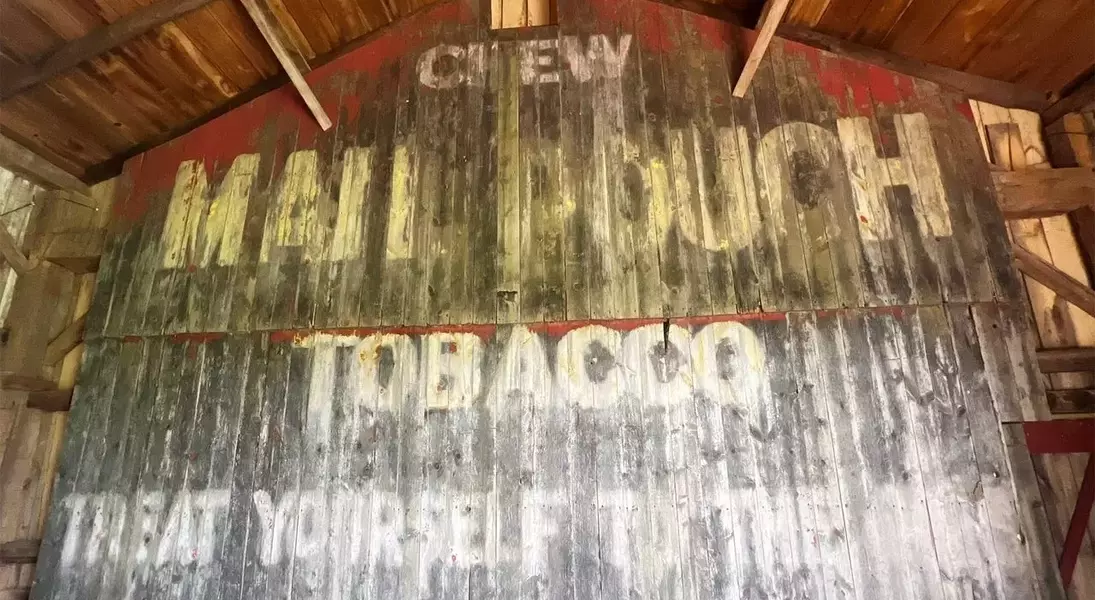
Michigan's agricultural sector is flourishing, bolstered by substantial grants and innovative projects aimed at fostering growth and sustainability. A prime example is the Hillsdale County Historical Society, which received a $5,000 grant from the Barn Believers Project Fund. This funding is crucial for the preservation and public exhibition of a historic Mail Pouch Tobacco sign, originally from a barn along M-99. The sign was carefully salvaged during the dismantling of the barn for a new development, with Meijer generously donating the hand-painted panels to the society. The grant will facilitate the reinstallation of this iconic piece of Americana inside the Will Carleton Poorhouse barn, where it will be accompanied by new electrical systems, museum-grade lighting, and an interpretive display detailing the legacy of Mail Pouch barns throughout the region. This endeavor not only preserves a significant cultural artifact but also educates the public on Michigan's rural heritage.
Beyond historical preservation, Michigan is making significant strides in agricultural innovation and education. The Michigan Department of Agriculture and Rural Development (MDARD) has allocated nearly $57,000 in grants to support cutting-edge horticultural research. These projects include developing bioreactors to purify irrigation water, exploring chemical mowing for weed control in ornamental tree cultivation, and utilizing IoT-based sensor technology to optimize irrigation in Christmas tree and nursery production. These research initiatives, led by experts from Michigan State University, are set to enhance efficiency and sustainability within the state's thriving nursery and ornamental horticulture industry. Concurrently, efforts are being made to strengthen the connection between consumers and producers, notably through MDARD's creation of a virtual map that highlights artisanal cheese, milk, and ice cream producers, showcasing Michigan's diverse dairy offerings and its robust dairy industry, which produces enough milk to meet state demand and contribute to national supply.
Further investments are accelerating agricultural business expansion and workforce development. MDARD has committed $400,000 through the Food and Agriculture Investment Program, supporting projects like Hildebrand Fruit LLC's $4 million expansion to double its packing operation capacity and create new jobs. Additionally, the city of Oak Park received a grant for an $8.8 million Commercial Food and Event HUB Project, which will feature an expanded year-round farmers market and a shared-use commercial kitchen, creating both full-time and part-time employment opportunities. These strategic investments underscore Michigan's commitment to fostering a vibrant and dynamic agricultural economy, enhancing local food systems, and providing educational opportunities that cultivate the next generation of agricultural leaders, such as Brynn Hurley, a recipient of the Helena Homegrown Scholarship, who is pursuing studies in science, with Helena Agri-Enterprises also offering internships to support student development in the field.
These collective efforts exemplify Michigan's proactive approach to nurturing its agricultural sector. By investing in historical preservation, cutting-edge research, business expansion, and educational initiatives, the state is building a resilient and interconnected agricultural community. This holistic strategy not only ensures economic vitality but also promotes a deeper appreciation for agricultural heritage and innovation, fostering a future where food production is sustainable, efficient, and accessible to all, reflecting a spirit of progress and shared prosperity.
