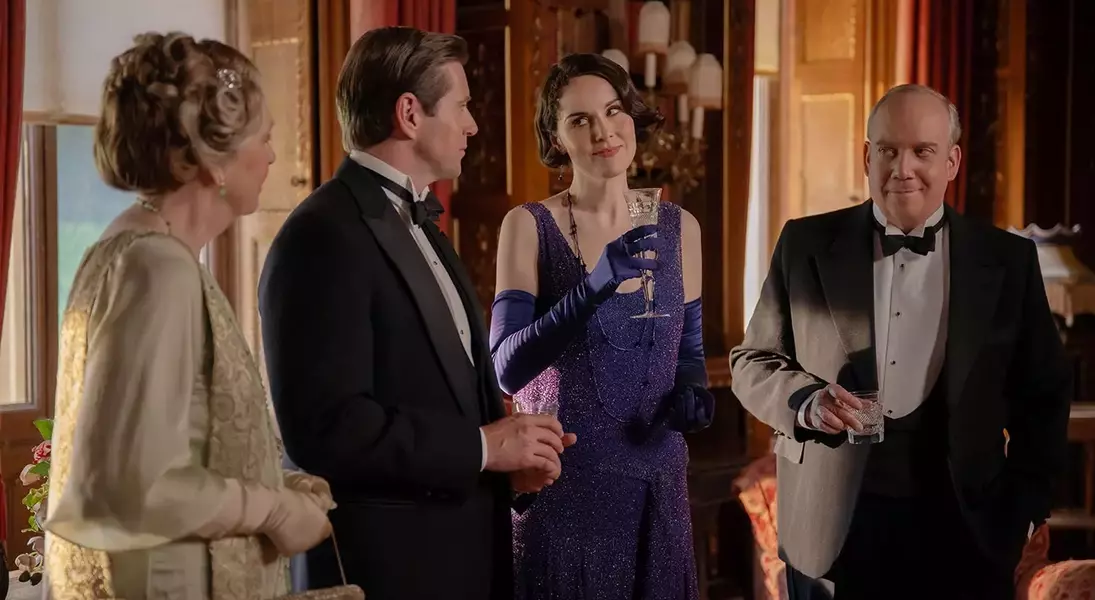
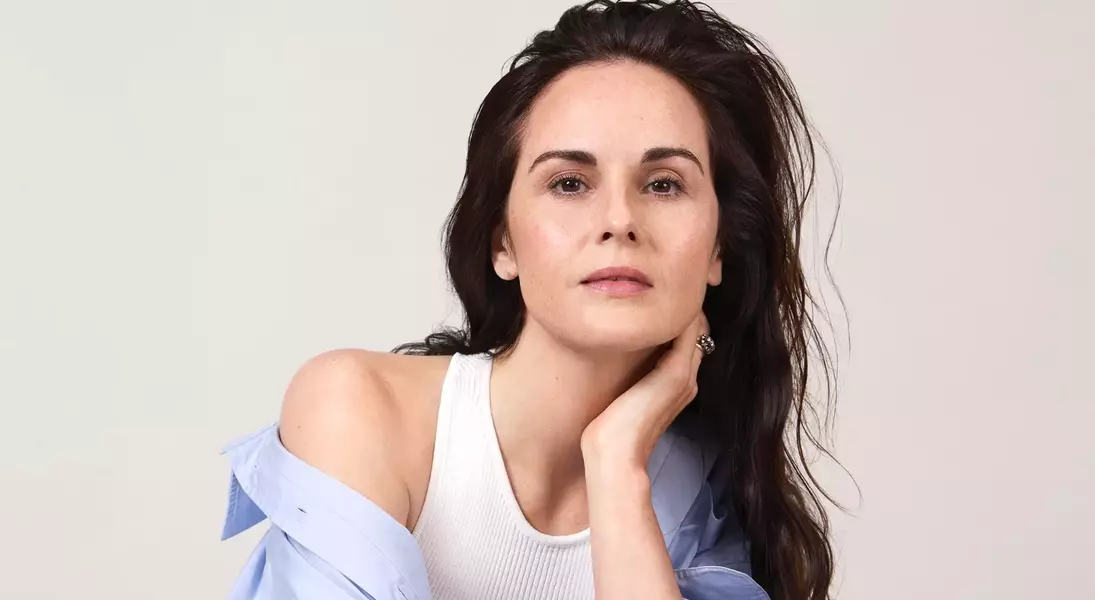
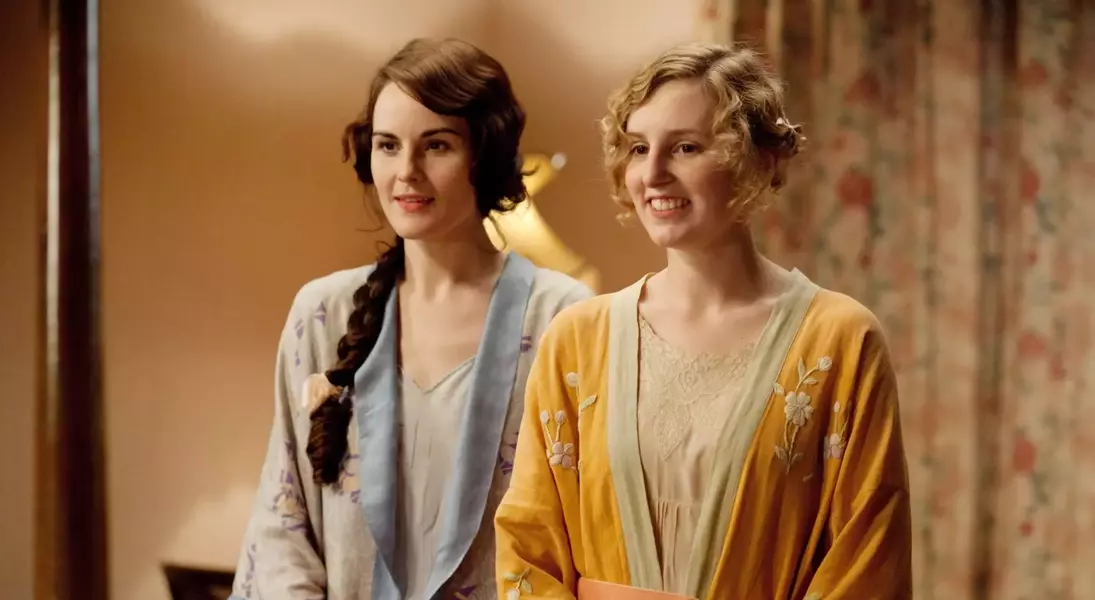
Michelle Dockery, renowned for her portrayal of Lady Mary Crawley in the globally adored 'Downton Abbey' series, opens up about her farewell to the character in the latest cinematic installment, 'Downton Abbey: The Grand Finale'. After an extensive 15-year journey embodying the complex aristocratic figure, Dockery shares her reflections on the character's evolution, particularly navigating the societal challenges of divorce in the early 20th century. She delves into the behind-the-scenes decision-making regarding the film's conclusion, including a discarded alternate ending, and expresses gratitude for the profound impact the show has had on its audience. Her insights offer fans a poignant glimpse into the legacy of 'Downton Abbey' and the personal connection she developed with her role.
The concluding film, 'Downton Abbey: The Grand Finale', marks the third cinematic chapter following the highly successful six-season television series. This latest narrative sees Lady Mary confronting the repercussions of divorce, a scandalous circumstance for women of her era, which leads to her temporary exclusion from elite society. Dockery admits that while the marital strife between Mary and Henry Talbot (Matthew Goode) was hinted at in the previous film, 'A New Era', the intense societal backlash Mary faces in this installment came as a shock. Concurrently, her parents, Robert (Hugh Bonneville) and Cora (Elizabeth McGovern), grapple with ongoing financial difficulties, mirroring the broader changes impacting aristocratic estates and their staff in a rapidly modernizing world.
Dockery highlights that a central theme of 'The Grand Finale' is the transition of leadership from one generation to the next, emphasizing a fresh chapter for the cherished characters. The film features a returning ensemble cast, including Allen Leech, Laura Carmichael, and Jim Carter, alongside new additions such as Paul Giamatti and Dominic West. A significant aspect of the film is the palpable presence and absence of the revered Maggie Smith, whose character, Violet Crawley, is honored through poignant references and memories. Dockery recalls the profound respect the cast held for Smith, noting the quiet reverence that would descend upon the set whenever she arrived, underscoring her enduring influence on the production.
Reflecting on the widespread appeal of 'Downton Abbey', Dockery attributes its success to the comfort and solace it provides to viewers. She concurs with creator Julian Fellowes' sentiment that the characters' inherent goodness resonates deeply with audiences, offering relatable storylines and a sense of calm. Dockery recounts numerous fan testimonials about the show offering comfort during difficult times, a testament to its comforting escapism. She emphasizes that the enduring friendships forged among the cast over 15 years are her most cherished takeaways, likening their bond to a family. This rare professional continuity in an actor's career has been a source of immense gratitude for her.
The decision to conclude 'The Grand Finale' with Mary at the helm of Downton Abbey, her parents residing in the Dower House, was a carefully considered one. Dockery reveals that an alternative ending, showing Mary returning to work in the library, was considered. However, the final choice to honor Maggie Smith's character, Violet, was deemed the most fitting. This ending, which sees Mary, Cora, and Robert bidding an emotional farewell, symbolizes a hopeful new beginning for Mary, envisioning her as the confident lady of the house, looking towards a future filled with fresh possibilities despite the definitive end of this iteration of 'Downton Abbey'.
