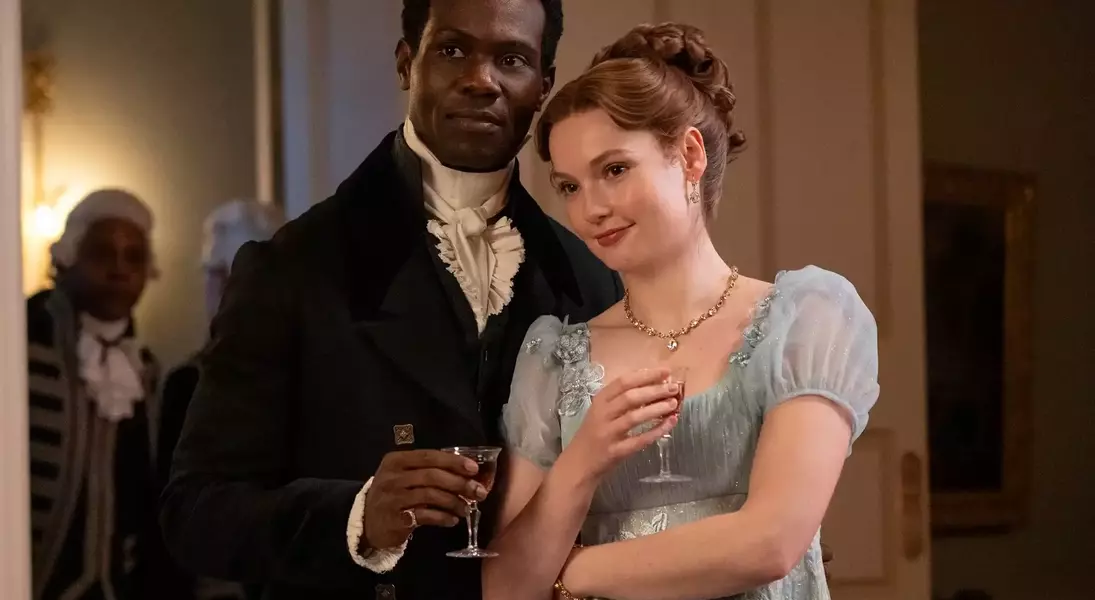
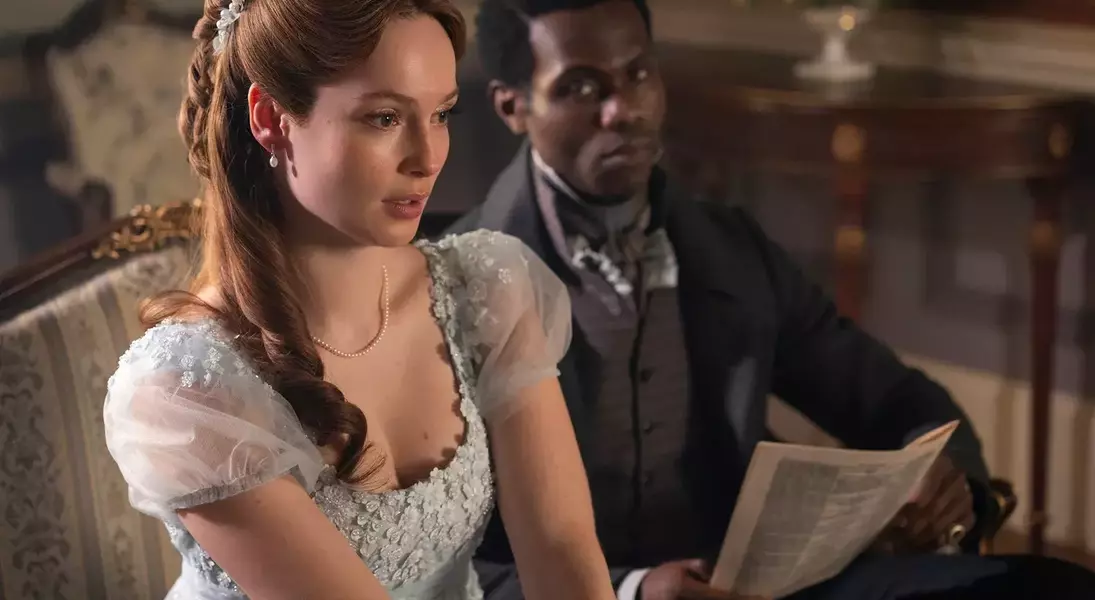
The fourth season of the popular series "Bridgerton" has introduced a fascinating new twist that is poised to captivate audiences and ignite conversations. The unexpected arrival of Michaela Stirling, the vibrant cousin of John Stirling, at the doorstep of Francesca and John, promises to disrupt the established calm and propel the characters into uncharted emotional waters. This development is not just a plot device but a deliberate move to explore deeper themes of identity, societal expectations, and evolving relationships within the lavish Regency-era setting.
Michaela Stirling's Arrival Ignites New Challenges for Francesca in 'Bridgerton' Season 4
In the fourth episode of "Bridgerton" season 4, titled “An Offer From a Gentleman,” Francesca Bridgerton (portrayed by Hannah Dodd) found her world subtly yet significantly altered. Just as she and her husband, John Stirling (played by Victor Alli), seemed to find a measure of tranquility after overcoming personal anxieties surrounding intimacy and procreation, John's free-spirited cousin, Michaela Stirling (embodied by Masali Baduza), made a grand, unexpected entrance. Michaela's arrival from Scotland, after an eventful journey, immediately brought a fresh, dynamic energy that both intrigued and unsettled Francesca.
Actress Hannah Dodd articulated Francesca's initial bewilderment, explaining that her character "doesn't fully understand" the new dynamic Michaela introduces. Francesca's journey through the first half of the season had been fraught with personal struggles, particularly her feelings of inadequacy concerning her inability to conceive. Her husband, John, had reassuringly dispelled her worries, emphasizing that her worth was not tied to her reproductive capabilities. However, Michaela's presence hints at an entirely different kind of challenge, one that Francesca finds hard to pinpoint but senses deeply.
Showrunner Jess Brownell elaborated on Michaela's role, noting her stark contrast to Francesca. Michaela is depicted as "chaotic" and someone who "loves to spice things up," qualities that are bound to test the quiet, introspective Francesca and the serene relationship she shares with John. This deliberate character introduction is part of a broader narrative strategy. Fans of Julia Quinn's "Bridgerton" novels will recognize the shift from a male character, Michael Stirling, to Michaela, a change that paves the way for the series' first significant queer love story. Brownell emphasized the importance of this decision, stating a desire to tell a nuanced story about a queer experience that, like all other romantic arcs in "Bridgerton," culminates in a happy ending.
The creative team's commitment to inclusivity and authentic storytelling is evident in this narrative choice. The unfolding romance between Francesca and Michaela, while still somewhat shrouded in mystery regarding its exact timeline, is confirmed to be a central theme in the forthcoming fifth and sixth seasons. These future seasons are set to delve into the love stories of both Eloise and Francesca, with Brownell teasing the order of their narratives. As the first four episodes of "Bridgerton" season 4 are now available, viewers can anticipate the subtle shifts and growing tensions that Michaela's arrival instigates, setting the stage for a compelling and emotionally rich continuation of Francesca's journey.
The introduction of Michaela Stirling in "Bridgerton" Season 4 offers a compelling insight into the evolving landscape of storytelling in popular media. It demonstrates a thoughtful approach to adapting beloved narratives while simultaneously pushing boundaries and fostering greater inclusivity. This development not only promises an exciting new chapter for Francesca's character but also encourages viewers to consider the complexities of love and identity beyond traditional norms. It's a reminder that even in historical settings, stories can reflect contemporary values and spark meaningful dialogue about diversity and acceptance.
