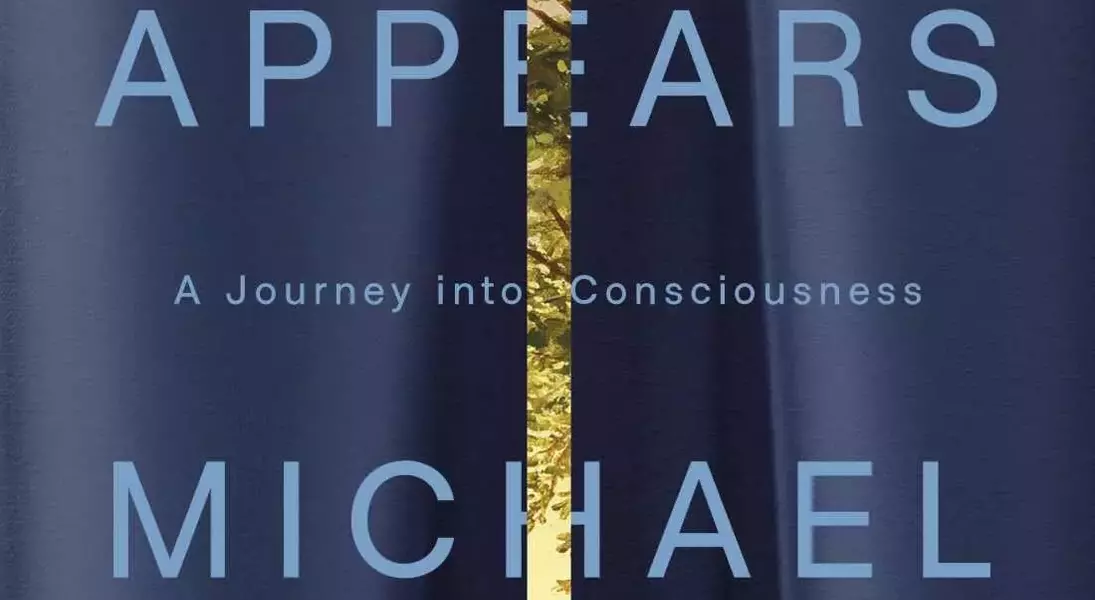

In his latest publication, "A World Appears: A Journey into Consciousness," esteemed author Michael Pollan embarks on an insightful exploration into the multifaceted concept of consciousness. Building upon his previous work on psychedelics and their therapeutic potential, Pollan now grapples with the profound question of what constitutes conscious experience. He dissects the prevailing notion that artificial intelligence might one day achieve consciousness, contrasting this view with the inherent human experience rooted in physical embodiment and emotional vulnerability. Furthermore, Pollan expands his inquiry to the natural world, revealing the unexpected sentience of plants and raising critical concerns about the encroaching influence of modern technology on the human capacity for spontaneous contemplation.
Pollan's journey into consciousness began after his extensive research into how therapeutic psychedelic use could alter perception. He highlights the fundamental human certainty of being conscious, describing it as an immediately accessible inner voice. Yet, he points out the enduring mystery of how the brain, a mere three pounds of "tofu-like substance," gives rise to subjective experience, a question for which no definitive answer exists.
Living in close proximity to Silicon Valley, Pollan observes the prevalent belief among some technologists that Artificial Intelligence could attain consciousness. This perspective often stems from the premise that the brain functions as a biological computer, and consciousness is essentially its software. Proponents of this view argue that if consciousness can operate on a "meat-based computer" like the brain, it should theoretically be replicable on other mechanical systems.
However, Pollan challenges this assertion, differentiating between mere simulated thought and genuine feeling. He contends that authentic thought is intrinsically linked to emotions, which in turn are tied to an organism's vulnerability, its physical body's capacity for pain, and its mortality. Therefore, any emotions expressed by a chatbot, lacking a physical body and the ability to suffer, would inherently be superficial and devoid of true meaning.
He further critiques the prevailing societal tendency to consider the potential consciousness of chatbots, while often overlooking the moral consideration due to billions of humans and conscious animals. Pollan views this as a misprioritization of ethical concerns, questioning why artificial entities would receive moral attention when fundamental ethical issues concerning living beings remain unaddressed.
The discussion extends to the surprising sentience of plants. Pollan highlights several astonishing capabilities, such as vines altering their leaf shape to mimic surrounding flora, plants emitting defensive chemicals in response to predator vibrations, and even exhibiting memory for up to 28 days. He finds the ability of plants, like the sensitive Mimosa pudica, to be anesthetized particularly striking, suggesting that their two distinct states of being hint at a form of consciousness.
Pollan also expresses apprehension regarding the impact of media and technology on our ability to engage in spontaneous thought. He believes that these advancements are diminishing the very spaces where such contemplative processes can occur. He views this as a critical loss, as corporations increasingly seek to monetize human attention and attachment through platforms like chatbots, effectively putting consciousness "under siege" as a valuable resource.
Finally, Pollan delves into the paradoxical nature of the self. While society values self-assurance and a strong sense of identity, humans also frequently seek to transcend their individual selves through various experiences, including sports, art, meditation, or even psychedelics. He suggests that the self, often a defensive structure, builds boundaries, and the act of lowering these barriers allows for deeper connection with others, art, nature, and even the divine.
Pollan's journey in writing this book was not without its challenges. He recounts moments of deep frustration with the scientific ambiguities surrounding consciousness and his initial struggle with a Western problem-solution framework. It was through the influence of his wife and Zen Buddhist teacher Joan Halifax that he shifted his perspective, realizing that consciousness, despite its enigmatic nature, is a wondrous and miraculous phenomenon to be explored rather than simply solved. This shift in understanding ultimately guided his concluding reflections on the subject.
