This week, South Florida is immersed in the arts, with the renowned Art Basel fair and a plethora of accompanying exhibitions. Among them, a significant new display is charting the history and development of an art genre for which Miami has become particularly celebrated: graffiti and street art. This exploration delves into its journey from underground origins to its current standing in mainstream galleries.
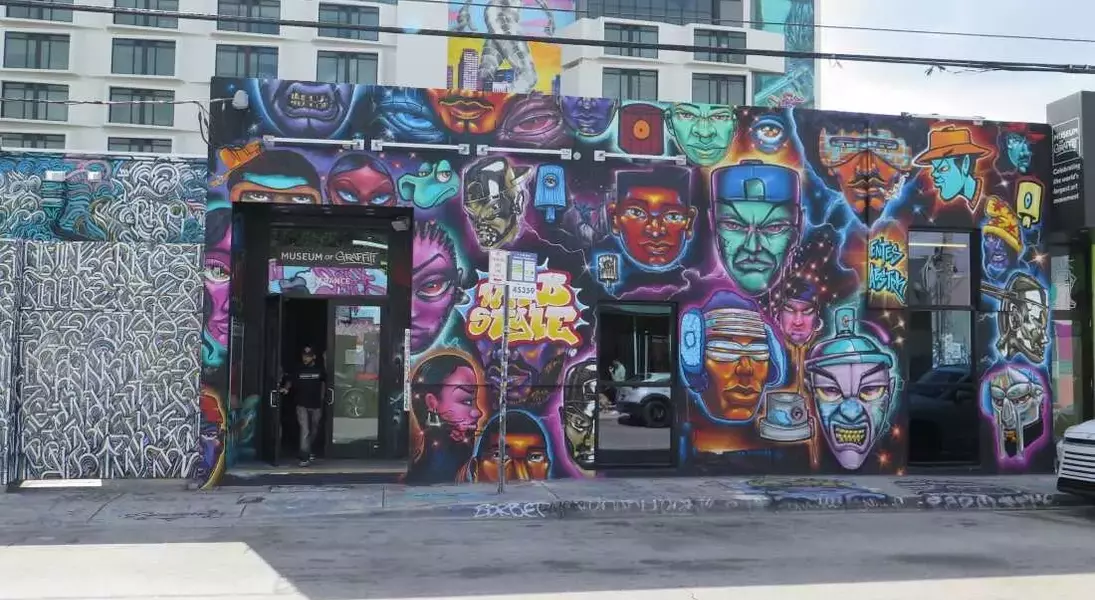
At the forefront of this narrative is Miami's Museum of Graffiti, which proudly asserts itself as the globe's inaugural museum exclusively dedicated to graffiti and street art. Nestled within Miami's vibrant Wynwood district, a community globally recognized for its artistic leanings, the museum is surrounded by buildings adorned with extensive, colorful murals, embodying the very essence of the art it champions.
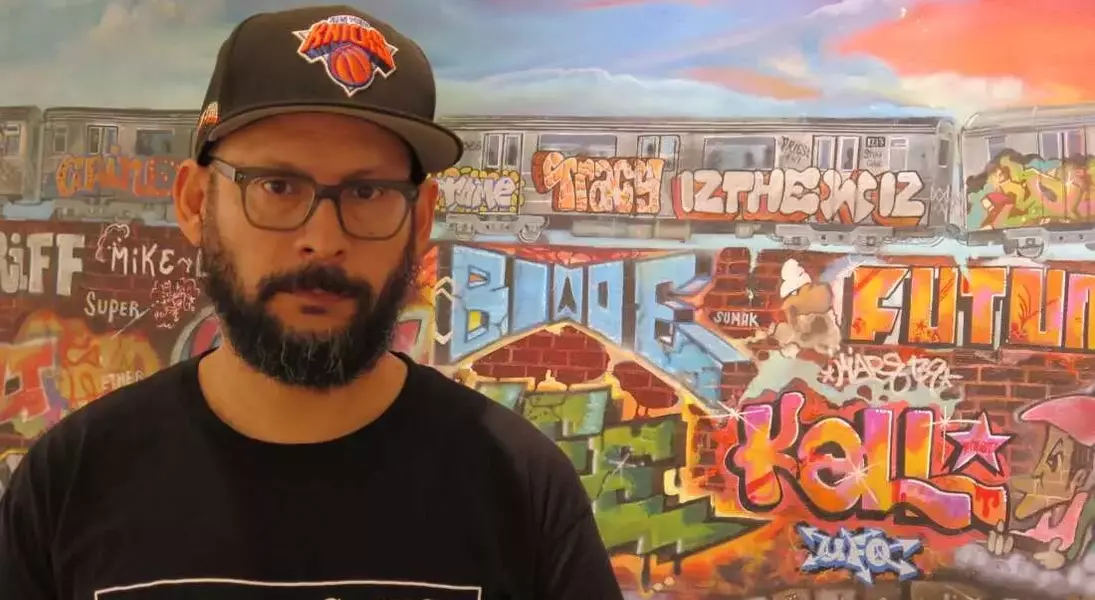
Upon entering the museum, visitors are greeted not by finished artworks, but by an exhibit focusing on the artists' essential tools—specifically, an array of Rust-oleum spray paint cans. Alan Ket, the museum's founder and curator, highlights a particularly rare can, a "Cascade green Rust-oleum paint from 1973," underscoring its historical value. This specific shade of green, he explains, was exclusively produced by Rust-oleum, revered by graffiti artists for its unique quality and the extraordinary effect it achieved on surfaces like rusty trains.
The museum, established by Ket and his co-founder six years ago, aims to chronicle the rich history of a movement that originated in the 1960s and 70s. This period saw teenagers across New York City boldly inscribing their names on various public surfaces, marking the genesis of graffiti as we know it. This act of "tagging" evolved into more complex and artistic expressions.
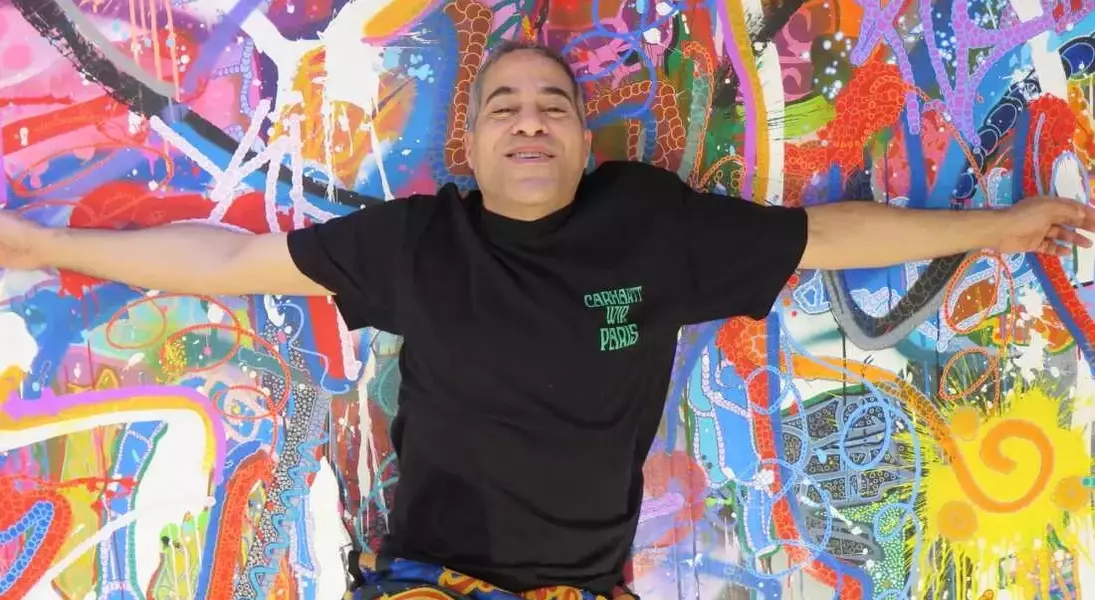
One such pioneer is Jon Perello, known artistically as JonOne. Now 61, JonOne's art has graced an Air France jet and a Hennessy cognac label, a testament to his journey from a teenager surreptitiously tagging buildings and subways in New York almost five decades ago. He recalls resorting to acquiring his spray paint without payment, describing it as his initial "grant." For him, the New York subway system represented an accessible, moving gallery, a "moving canvas" visible to all, from tourists to daily commuters.
Despite its artistic merit, this form of unsanctioned public art was often met with disapproval, labeled as vandalism by authorities and the public alike. Nevertheless, a pivotal shift occurred when some of these street artists transitioned their work from subway cars to art studios. The Museum of Graffiti's exhibition meticulously details this transformation, especially a significant moment in 1973 when a New York gallery first showcased the works of young street artists. Ket emphasizes that this event was a "big boom," signaling to these budding artists a legitimate path for their artistic endeavors.
Over the subsequent decades, graffiti art has garnered global recognition and acceptance from the established art world, luxury brands, and even governmental bodies. Works by artists such as Jean-Michel Basquiat and Banksy have fetched millions. Ket notes that graffiti artists are now frequently referred to as street artists, commissioned worldwide to undertake monumental public art projects. Despite its widespread popularity and artistic evolution, Ket observes that street art still struggles for full acknowledgment from traditional art institutions, often relegated to temporary exhibitions rather than being integrated into permanent collections. JonOne likens this lingering stigma to a reluctance to fully embrace a beloved but unconventional partner in front of one's family. JonOne's individual exhibition will be featured at Miami's Museum of Graffiti through June, while the 'Origins' exhibition, detailing the movement's beginnings and presenting pieces from the seminal 1973 show, will continue until the close of the year.
The Museum of Graffiti's initiative to document and celebrate this art form highlights its profound impact and the ongoing journey towards complete acceptance within the artistic canon. It serves as a vital platform for understanding how a once-maligned subculture blossomed into a globally recognized art movement, continuously pushing boundaries and redefining public spaces.
