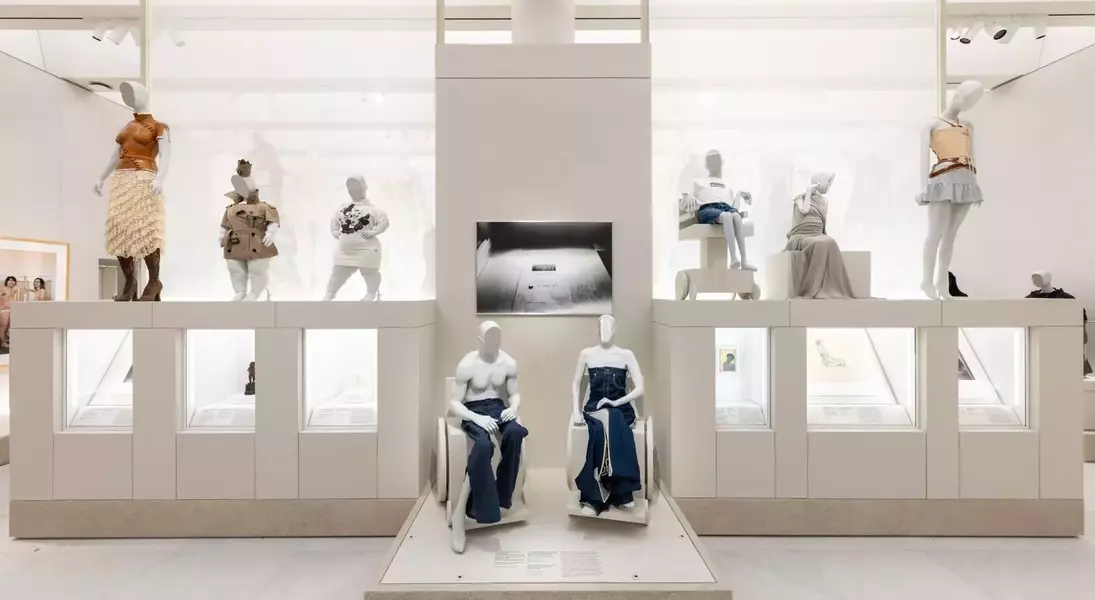
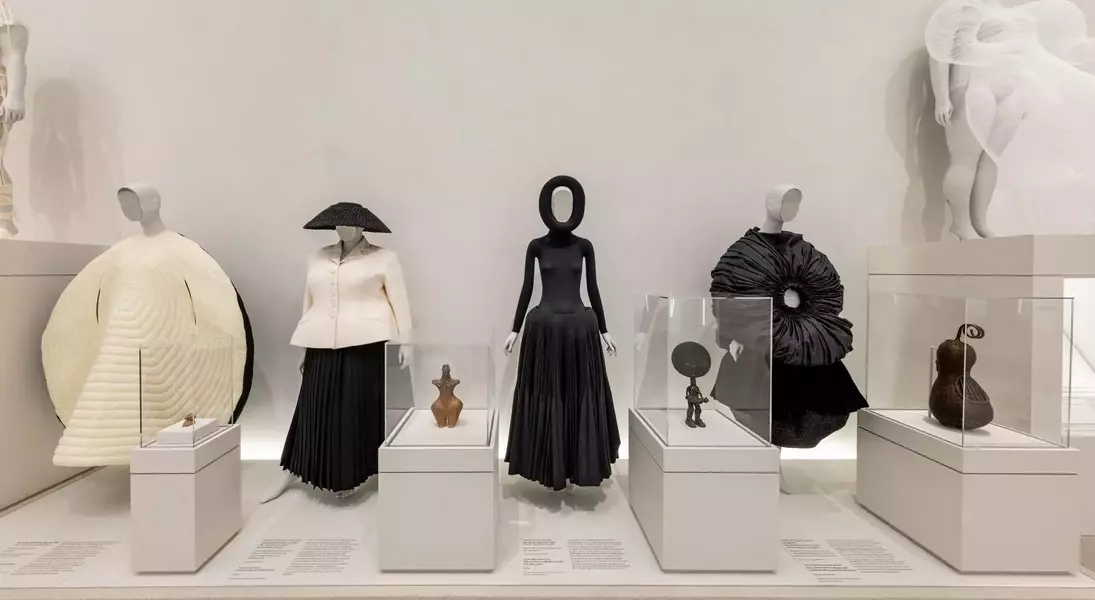
The Metropolitan Museum of Art's latest exhibition, "Costume Art," marks a significant departure from conventional fashion displays by utilizing mannequins that embody a spectrum of human forms. Curated by Andrew Bolton, this innovative presentation redefines how the human body is interpreted through art and attire, moving beyond mere aesthetic showcase to foster deeper engagement and understanding. The exhibit aims to democratize the representation of the body in fashion, inviting visitors to reflect on their own relationship with garments and physical identity.
This pioneering exhibit at the Condé M. Nast Galleries showcases a collection of 25 mannequins, each meticulously crafted to mirror real people with varied body shapes and physical capabilities. These figures are thoughtfully distributed across two of the exhibition's twelve thematic sections, specifically designed to explore different body types and their aesthetic implications. This deliberate choice challenges the long-standing tradition of presenting fashion on idealized forms, instead promoting a more inclusive and empathetic view of the human figure within the realm of haute couture.
Embracing Diverse Forms in Fashion Exhibitions
The Metropolitan Museum of Art's groundbreaking "Costume Art" exhibition redefines mannequin representation by modeling figures after real individuals, spanning various body types and mobilities. This innovative approach aims to foster a more inclusive and empathetic understanding of the human form in fashion, moving beyond traditional idealized portrayals. By consciously diversifying the mannequins, the exhibition challenges conventional beauty standards and encourages visitors to connect more personally with the displayed garments and the narratives they represent.
In a bold move away from generic forms, the "Costume Art" exhibition features 25 mannequins crafted to reflect the diversity of real human bodies. Notably, the "Disabled Body" section includes figures inspired by prominent individuals such as writer Sinéad Burke, athlete Aimee Mullins, model and musician Aariana Rose Philip, and model Antwan Tolliver, alongside imagery of the late drag performer Goddess Bunny. Similarly, the "Corpulent Body" section showcases forms based on models Jade O’Belle and Charlie Reynolds, artist Michaela Stark, and singer-songwriter Yseult. These nine living inspirations underwent 3D photogrammetry to precisely capture their likenesses, ensuring an authentic and multifaceted representation that encourages empathy and challenges narrow perceptions of beauty.
The Philosophy Behind Mirrored Mannequins
Artist Samar Hejazi's decision to replace traditional mannequin faces with mirrored surfaces in the "Costume Art" exhibition is a deliberate and profound artistic statement. This innovative design element encourages self-reflection, inviting viewers to see themselves within the context of the displayed fashion and to engage with the garments on a more personal and empathetic level. It actively challenges the historical detachment between observer and object, fostering a sense of connection and shared humanity rather than perpetuating an idealized or unattainable standard of beauty.
Samar Hejazi, in collaboration with curator Andrew Bolton, developed the concept of mirrored mannequin faces to challenge prevailing notions of body ideals within the fashion world. As Hejazi articulates in the exhibition catalogue, the core objective was to destigmatize non-ideal body types and bridge the gap between the viewer and the garment. By allowing visitors to literally see their own reflection, the mirrored surfaces transform the mannequins into conduits for empathy and personal identification, prompting questions about self-perception and the universality of human experience. This innovative approach aims to dismantle the distance often created by traditional displays, fostering a more inclusive and resonant dialogue between fashion, art, and the individual.
