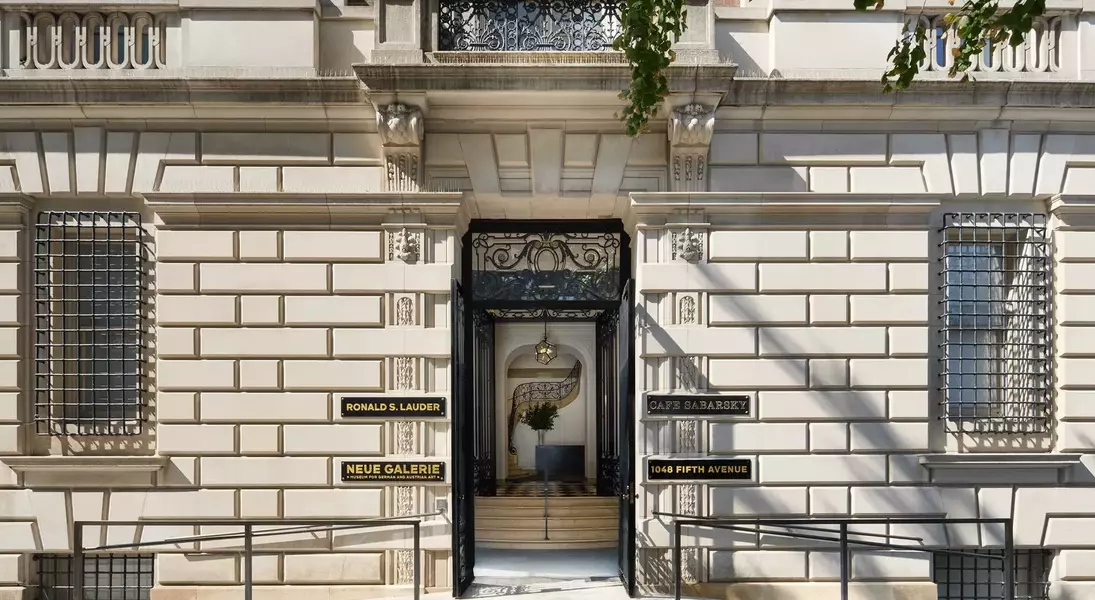
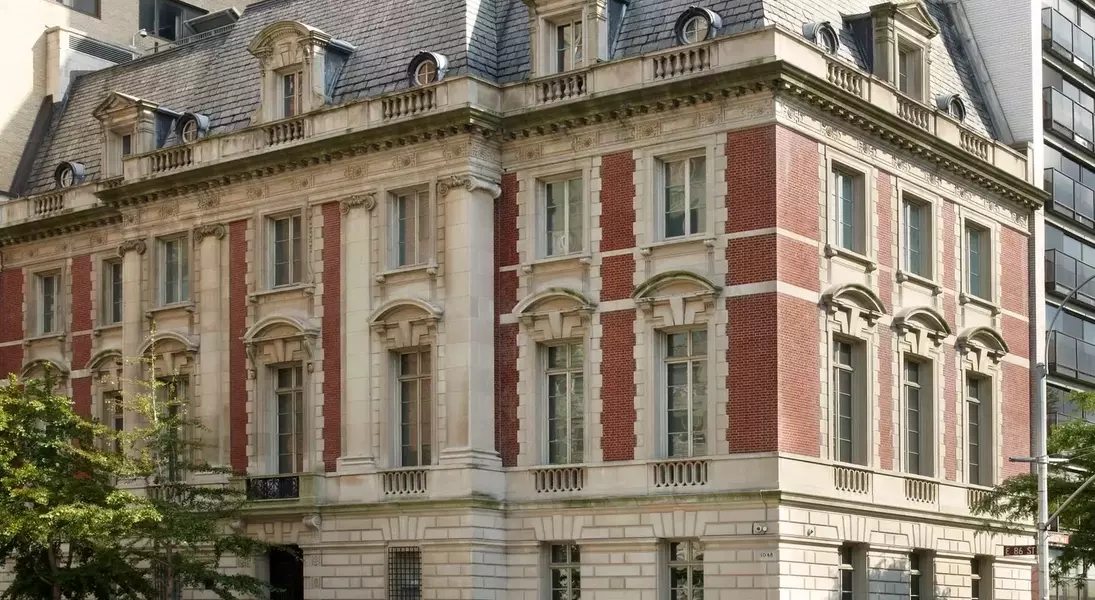
A momentous collaboration is on the horizon for the art world, as the Metropolitan Museum of Art and Ronald S. Lauder's esteemed Neue Galerie New York are poised to unite. This strategic integration, expected to formally conclude in 2028, will not only enrich the Met's already vast holdings with a significant collection of 20th-century Austrian and German art but also extend its physical presence to include the Neue Galerie's iconic Beaux-Arts building. This endeavor underscores a shared dedication to cultural preservation and accessibility, promising an enhanced and more comprehensive artistic journey for enthusiasts and scholars alike. The personal commitment of the Lauder family, particularly Ronald and his daughter Aerin, has been instrumental in orchestrating this fusion, ensuring the enduring legacy of a collection cherished for decades.
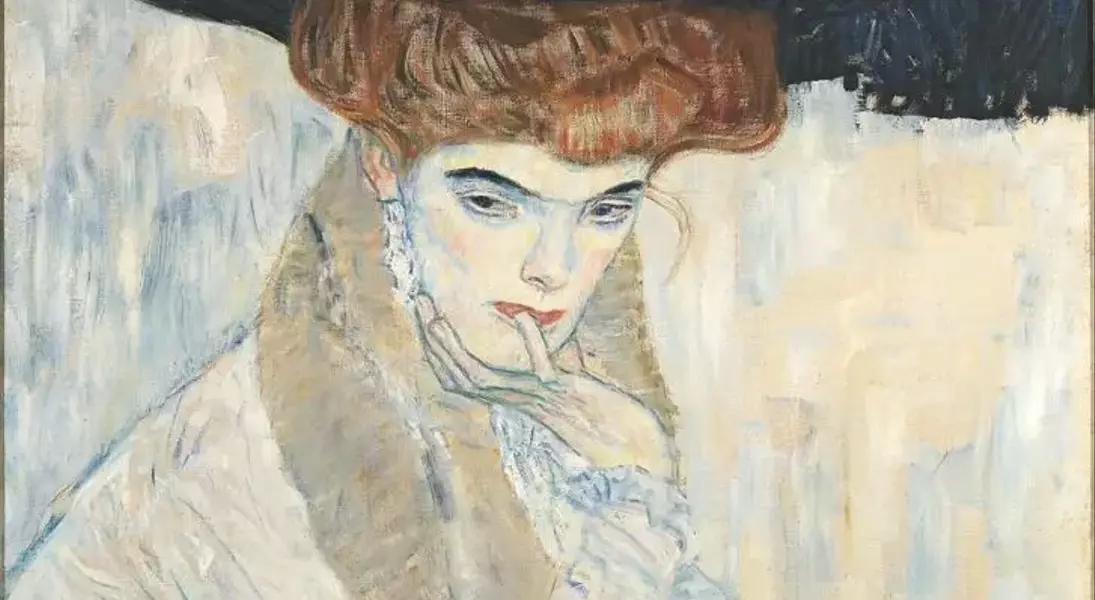
This transformative partnership is deeply rooted in a mutual passion for art and a vision for future generations. Max Hollein, director of the Met, expressed profound enthusiasm for this union, emphasizing its personal significance given his Viennese heritage and long-standing involvement with the Neue Galerie. The over 600 pieces from the Neue Galerie, featuring works by luminaries such as Max Beckmann and Egon Schiele, are set to profoundly strengthen the Met's European art section. The inclusion of Gustav Klimt's iconic 'Portrait of Adele Bloch-Bauer I' is a particular highlight, adding a world-renowned masterpiece to the Met's collection. Beyond the artistic treasures, the merger symbolizes a philosophical alignment between two institutions, with the Lauder family's ongoing philanthropic contributions playing a crucial role in shaping the cultural landscape of New York City and beyond.
A Unified Vision for Modern European Art
The Metropolitan Museum of Art and Ronald S. Lauder's Neue Galerie New York are embarking on a historic merger, an alliance that promises to significantly enhance the Met's celebrated collection of 20th-century Austrian and German art. This strategic move, driven by a shared commitment to art and culture, will see masterpieces like Gustav Klimt's iconic 'Portrait of Adele Bloch-Bauer I' join the Met's extensive repertoire. The agreement, expected to be finalized by 2028, is more than just an acquisition of art; it represents a fusion of missions, expanding the cultural footprint of New York City. Max Hollein, director of the Met, enthusiastically supports this integration, highlighting the personal connection stemming from his Viennese background and his long tenure as a trustee of the Neue Galerie.
This unprecedented collaboration will bring over 600 significant artworks, including notable pieces by Max Beckmann and Egon Schiele, into the Met's possession, dramatically bolstering its representation of European modernism. The integration will also extend the Met's physical campus to include the Neue Galerie's landmarked Beaux-Arts mansion on East 86th Street, offering visitors an expanded and immersive artistic experience. Ronald Lauder's deep-rooted passion for collecting German Expressionist and Viennese Secessionist art, cultivated since his youth, is central to this merger. The Lauder family's continued dedication, evidenced by additional gifts from Ronald and Aerin Lauder Zinterhofer's personal collections, ensures a rich legacy. This partnership is seen as a strategic move to preserve and make accessible an invaluable cultural heritage for future generations, mirroring the success and dedicated stewardship seen with the Met's Cloisters.
The Lauder Legacy: Philanthropy and Preservation
The merger between the Metropolitan Museum of Art and the Neue Galerie is a testament to the profound philanthropic vision of Ronald S. Lauder and his family. For years, Ronald Lauder, along with his late brother Leonard, has been a significant benefactor to the Met, with Leonard's donation of 78 Cubist masterpieces in 2013 setting a precedent for substantial artistic contributions. This new initiative is deeply personal for Ronald Lauder, reflecting a lifelong dedication to collecting and preserving Austrian and German art. His daughter, Aerin Lauder Zinterhofer, a recent Met trustee, emphasized her father's passion for diverse art forms and his commitment to seeing the Neue Galerie's unique identity maintained within the Met's framework. The timing of this merger, coinciding with the Neue Galerie's 25th anniversary and Hollein's leadership at the Met, has been described as perfectly aligned.
Ronald Lauder's journey with the Neue Galerie began decades ago, a dream he nurtured with his mentor, art dealer Serge Sabarsky. Aerin Lauder Zinterhofer fondly recalls childhood memories of visiting Sabarsky's gallery, where the concept of a museum dedicated to Austrian and German art first took shape. The opening of the Neue Galerie in 2001, shortly after the September 11 attacks, was a symbolic gift to New York, establishing a "jewel box" of culture. The family's trust in the Met's ability to steward such an important collection is reinforced by the Met's successful management of the Cloisters, assuring them that the original intent and character of the Neue Galerie will be preserved. This merger not only secures the future of the Neue Galerie's collection but also solidifies the Lauder family's enduring legacy as pivotal figures in the global art community, ensuring that their passion for art continues to inspire and educate for many years to come.
