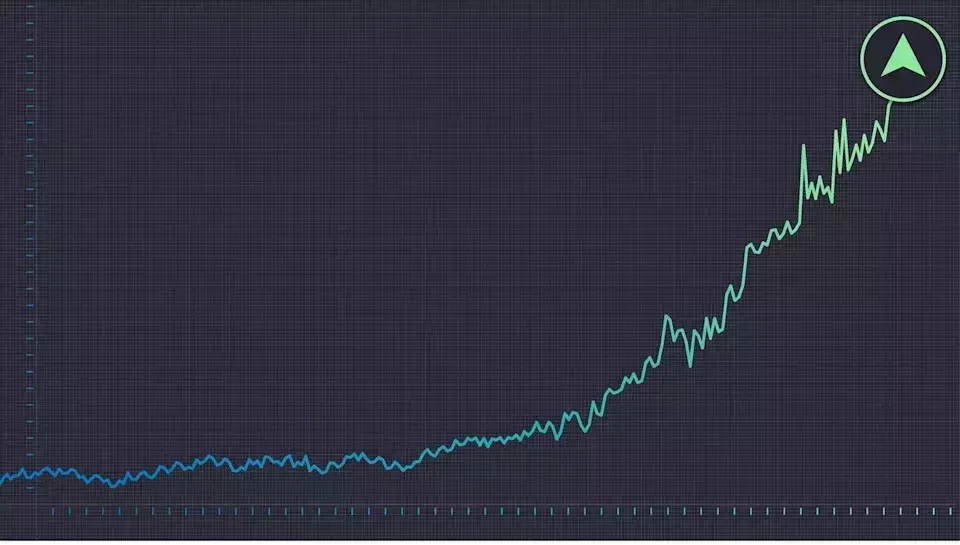
In the past decade, Meta Platforms, formerly known as Facebook, has delivered impressive returns to its investors. A hypothetical investment of $10,000 made ten years ago would have grown substantially, reflecting the company's continuous expansion and strategic advancements. This growth trajectory is supported by robust revenue acceleration and significant investments in artificial intelligence infrastructure, underscoring Meta's ambition to maintain its market leadership and foster future innovation.
Meta's Financial Journey and Strategic Outlook
As of July 12, 2026, an initial investment of $10,000 in Meta Platforms back in 2016, when shares traded at an average of $116, would have acquired approximately 86 shares. Today, with shares priced near $670, these holdings are valued at about $57,600. Furthermore, Meta's initiation of a quarterly dividend in early 2024, starting at $0.50 per share and subsequently increasing to $0.525, has added over $400 in dividend income, bringing the total value to approximately $58,000. This translates to an impressive compound annual growth rate of about 19% over the decade.
Despite its substantial scale, Meta's growth momentum shows no signs of decelerating. In 2025, the company reported revenues of $201.0 billion, an increase of 22%, with the growth rate accelerating to 33% year-over-year in the first quarter of 2026, reaching $56.3 billion. This continued growth is fueled by increasing advertising impressions, which rose by 19% in the first quarter, alongside a 12% increase in average ad prices across its platforms, including Facebook, Instagram, WhatsApp, and Messenger. Daily active users across Meta's applications reached 3.56 billion in March, demonstrating strong user engagement.
Meta's advertising business generates substantial profits, with first-quarter operating income rising 30% year-over-year to $22.9 billion. The company has also actively returned capital to shareholders, spending over $26 billion on share repurchases in 2025 and distributing approximately $5 billion in dividends. Meta's strong financial position is further evidenced by its cash reserves exceeding $81 billion in cash and marketable securities at the end of 2025.
Looking ahead, Meta is making considerable investments in its future, particularly in artificial intelligence. The company has raised its capital expenditure guidance for 2026 to a range of $125 billion to $145 billion, primarily allocated to AI infrastructure development. This commitment is highlighted by the recent release of its first model from Meta Superintelligence Labs, as announced by CEO Mark Zuckerberg in the first-quarter earnings report. While these aggressive investments represent a potential risk, investors have recently viewed them positively, anticipating long-term benefits.
While the past performance is compelling, investors should temper expectations for similar returns in the next decade, given Meta's current immense size. However, the stock's valuation, trading at approximately 19 times forward earnings, appears reasonable for a company exhibiting such strong revenue growth, even considering the substantial AI investment plan. The enduring lesson from Meta's journey is its capacity for sustained profitability and compounding returns, even amid skepticism and regulatory scrutiny.
Meta Platforms continues to be a compelling holding for long-term investors, although future growth rates may naturally moderate. The company's strategic focus on AI and its robust business model position it favorably for ongoing success in the evolving digital landscape.
