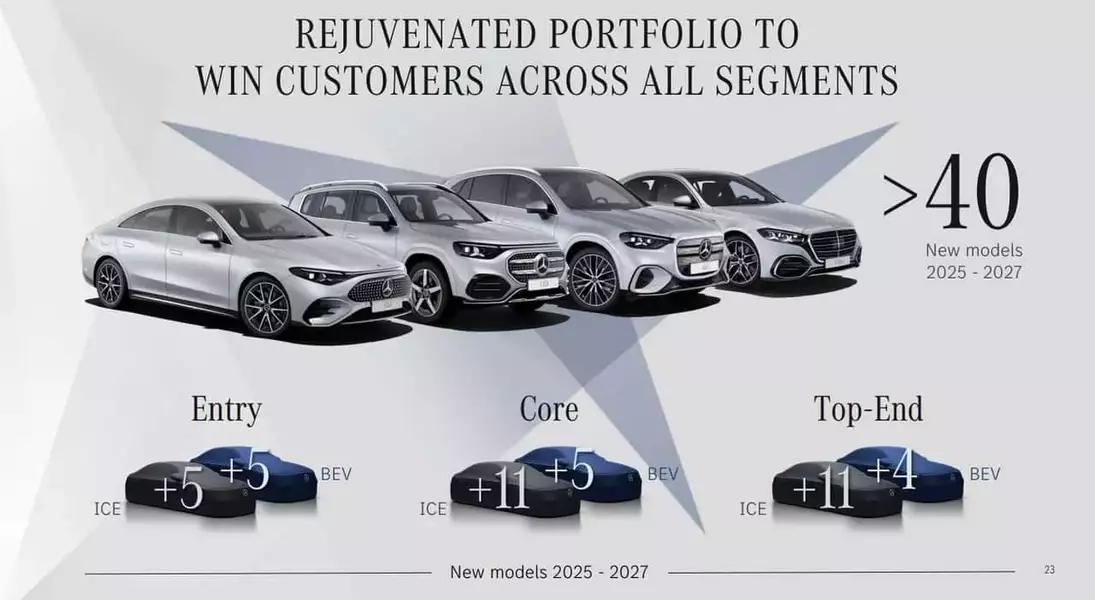

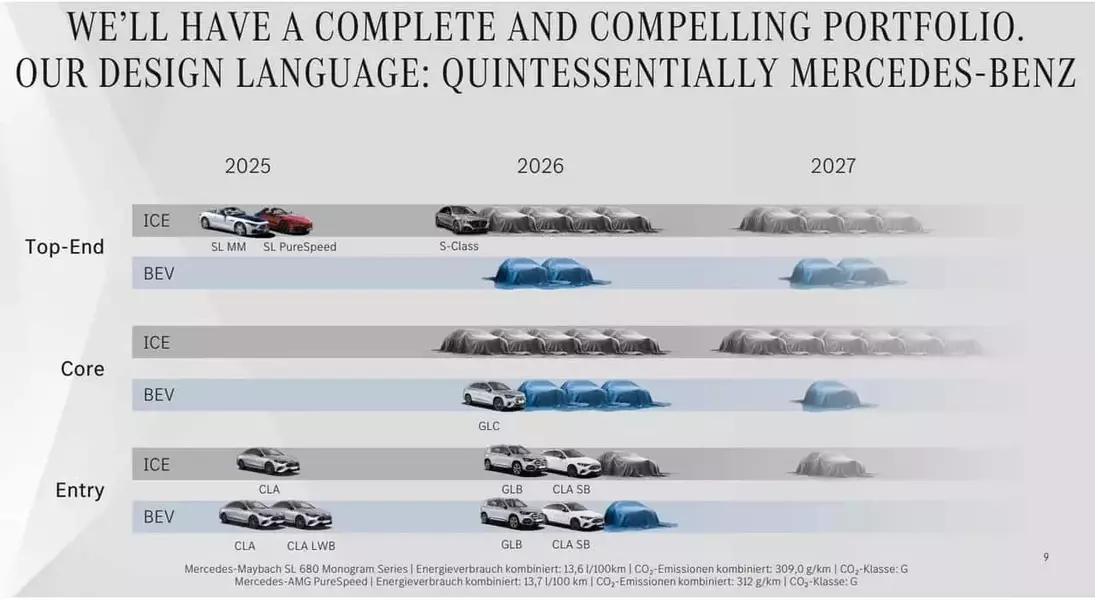
Mercedes-Benz is preparing for an extensive surge in new vehicle introductions, promising a dynamic period for car enthusiasts and prospective buyers alike. The luxury automotive giant recently announced plans to unveil seven new models within the next quarter, followed by a total of sixteen new vehicles by the close of this year, with a comparable number anticipated for 2027. This ambitious launch schedule encompasses a wide spectrum of the market, from entry-level offerings to high-end luxury flagships, signaling a renewed focus on both internal combustion engine (ICE) and electric vehicle (EV) segments.
A notable aspect of this strategic expansion is the diversified approach to powertrain technologies. While combustion engine models will still constitute the majority of new releases, Mercedes-Benz is also set to introduce several updated or entirely new electric vehicles by the end of next year. Although specific model names remain under wraps, informed speculation suggests that facelifts for the Maybach S-Class and GLS are imminent, building on the recent refresh of the standard S-Class. The electric vehicle portfolio is expected to see updates to the EQS sedan and SUV, alongside the potential debut of an AMG electric super sedan. Furthermore, the Core segment will witness a refreshed C-Class sedan and wagon, as well as updates to the combustion-powered GLC and GLC Coupe, aiming to align them with their electric counterparts. An all-electric C-Class is also slated for 2026, marking a significant step in the brand's electrification journey. The entry-level category will welcome a new generation of the GLA, accompanied by an electric variant, and a novel entry-level model in 2027, poised to replace the A-Class with a distinctive minivan-SUV hybrid design.
This comprehensive product roadmap underscores Mercedes-Benz's recalibration of its market strategy. Having perhaps overestimated the initial rate of EV adoption, the company is now reaffirming its commitment to combustion engines for the foreseeable future. This pivot is accompanied by a design evolution, moving away from the polarizing 'egg-shaped' aesthetics of earlier EQ models towards a more conventional and widely appealing visual language. This strategic shift is designed to reclaim customers and maintain competitive parity, particularly with rivals like BMW, and to make a substantial impact in key markets, especially in EV-friendly European regions.
In this rapidly evolving automotive landscape, Mercedes-Benz's bold commitment to innovation, encompassing both traditional and electric powertrains, positions the company for sustained growth and influence. By diversifying its offerings and refining its design philosophy, the brand demonstrates an adaptive and forward-thinking approach, ensuring it remains at the forefront of automotive excellence. This blend of heritage and future-forward vision is not just about selling cars; it's about shaping the future of mobility with confidence and an unwavering pursuit of quality.
