Mercedes-Benz is embarking on its most ambitious product and technology launch program in its history for 2026, aiming to introduce a remarkable array of ten new or significantly updated models. This strategic initiative, encompassing the core Mercedes-Benz brand alongside its AMG and Maybach subsidiaries, is designed to invigorate sales following a notable nine percent dip in 2025. The company is not only refreshing existing lines but also extending the lifespan of key vehicles like the A-Class, alongside a major push into electrification and performance enhancements.
Mercedes-Benz's Extensive Product Offensive for 2026 Revealed
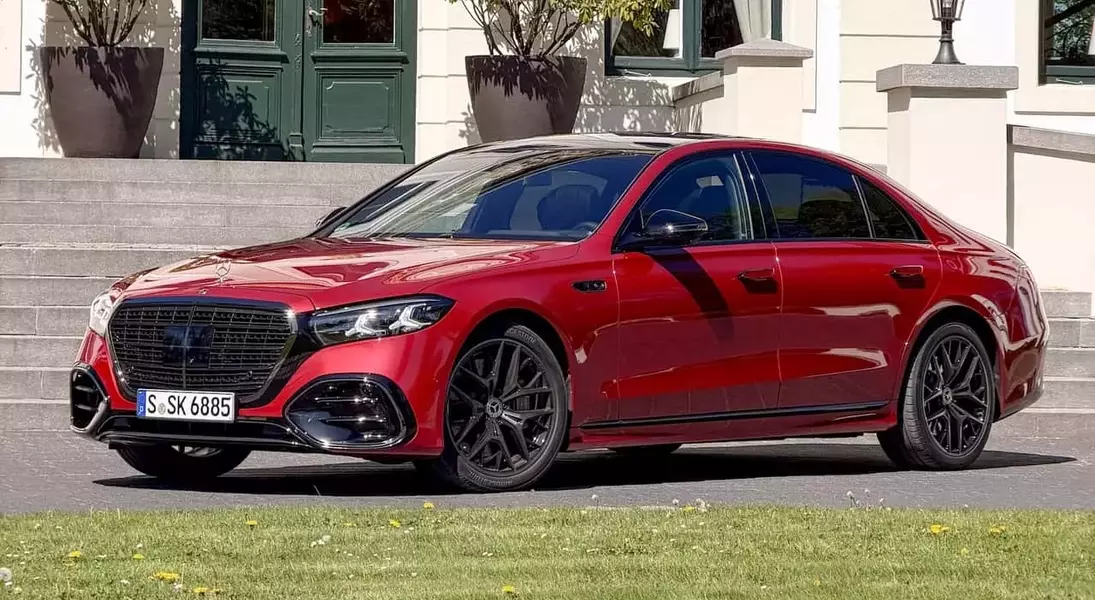
The year commenced with a significant refresh of the Mercedes S-Class, the brand's distinguished flagship. This updated model now incorporates the iconic three-pointed star motif into its lighting elements. Inside, a redesigned dashboard features multiple screens, mirroring the aesthetic of the fully electric EQS. Buyers can now specify the luxury sedan with a leather-free interior, opting for a blend of leatherette and textile upholstery. Under the hood, the S580 variant boasts a new flat-plane-crank V8 engine, delivering 530 horsepower. The Maybach S-Class variant offers the formidable V12 engine, though its availability is restricted to North America, China, and the Middle East due to tightening European emissions regulations. Additionally, the armored S-Class Guard received similar updates, featuring enhanced ballistic protection and a range of Guard-specific modifications for unparalleled safety.
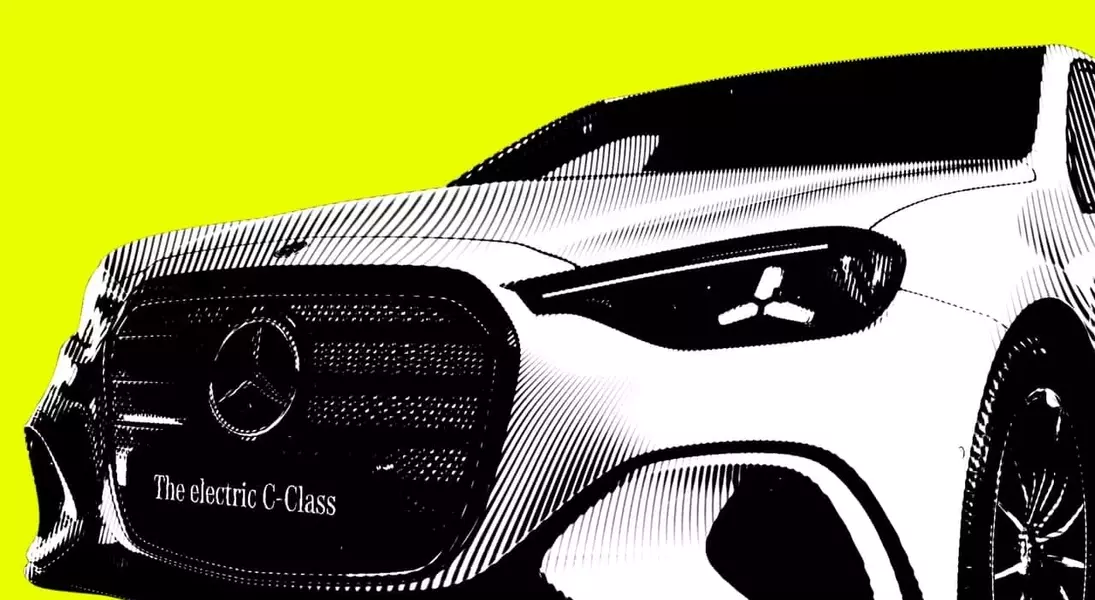
A long-anticipated arrival, the electric C-Class, has finally debuted. While sharing a name with its combustion-engine counterpart, this electric sedan, built on a dedicated EV platform, showcases distinct styling, including a retro-inspired grille that avoids the bulkiness seen in earlier EQ models. The interior is dominated by a continuous 39.1-inch display in higher trims. Its dedicated electric architecture allows for a front trunk and an extended wheelbase, providing increased interior space for passenger comfort. The C-Class Electric, powered by a 94.5-kWh battery, offers an impressive 473 miles (762 kilometers) of WLTP range and supports rapid charging at up to 330 kW, adding 202 miles (325 kilometers) of range in just ten minutes. The launch C400 4Matic model generates 482 horsepower and 590 pound-feet (800 Newton-meters) of torque.
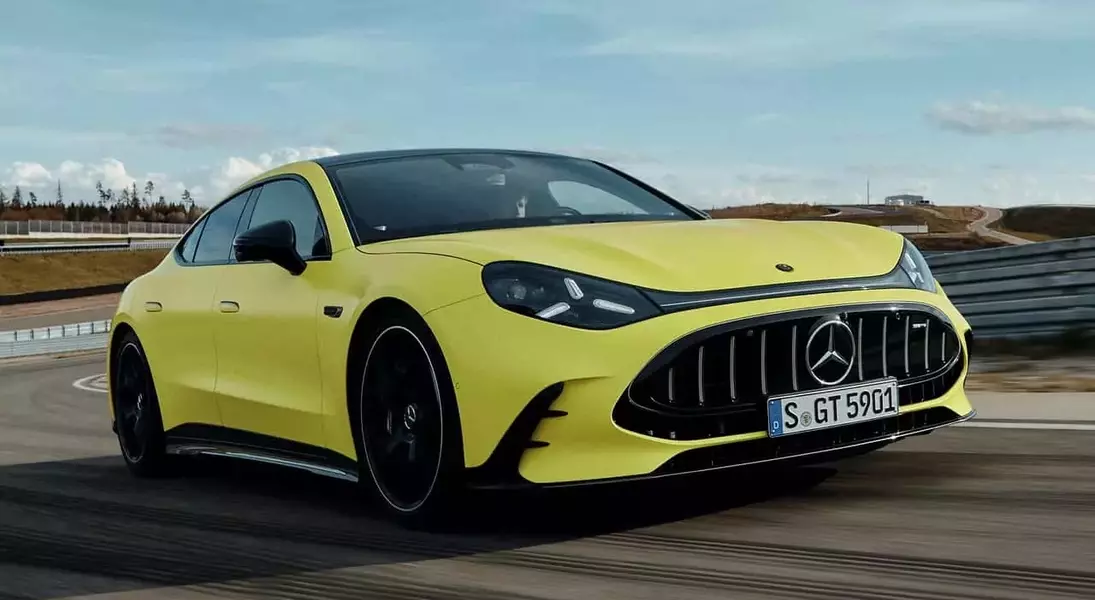
The 2027 AMG GT 4-Door Coupe, an all-electric performance liftback, marks Affalterbach’s first EV built on a dedicated platform. Its aggressive styling draws inspiration from the GT XX concept. This vehicle aims to replicate the V8 driving experience with artificial engine sounds and simulated gear changes. The top-tier GT63, equipped with three axial-flux motors, produces an astonishing 1,153 hp and 1,475 lb-ft (2,000 Nm) of torque, accelerating from 0 to 60 mph in a mere two seconds. It features a 106-kWh battery, offering up to 435 miles (700 kilometers) of WLTP range, and charges at up to 600 kW, recouping 286 miles (460 kilometers) of range in just ten minutes. The cabin maintains Mercedes' signature triple-screen layout, with minimal physical controls, but includes rotary knobs for quick setting adjustments. The rear accommodates two passengers, with an optional three-seat bench available.
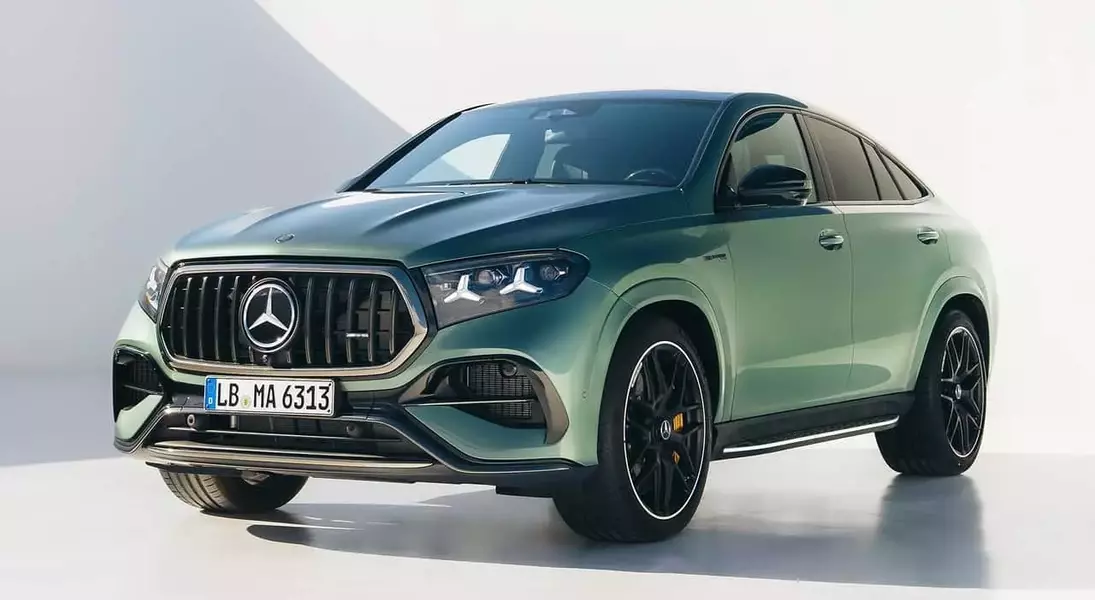
For those preferring combustion power, the Mercedes-AMG GLE 63 S and GLS 63 SUVs now feature a new twin-turbo V8 engine producing 603 hp and 627 lb-ft (850 Nm) of torque. This 4.0-liter flat-plane-crank V8 is augmented by a 48-volt mild-hybrid system for improved efficiency. Both models come standard with air suspension and an electronically controlled rear locking differential, along with AMG Active Ride Control for enhanced stability. The GLE accelerates to 60 mph in 3.6 seconds, while the GLS achieves it in 3.9 seconds, with an electronically limited top speed of 174 mph (280 km/h). The interior showcases the familiar screen-dominated Mercedes aesthetic, with Manufaktur program options for luxurious customization.
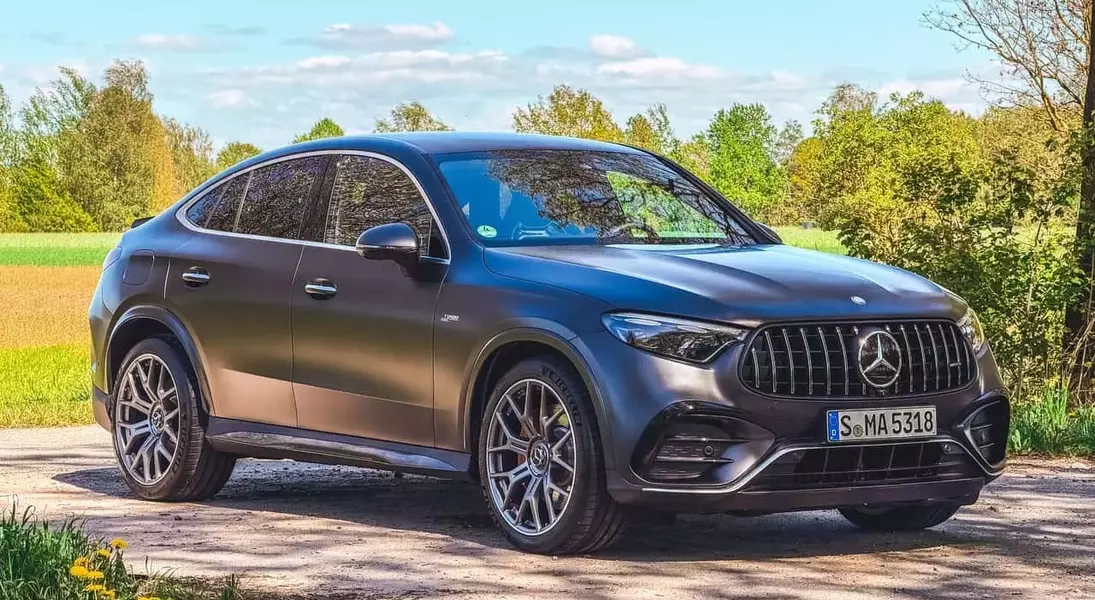
Responding to feedback on its four-cylinder plug-in hybrid setups, AMG is reintroducing larger engines, with the new GLC 53 making a comeback with a turbocharged 3.0-liter inline-six. This engine delivers 443 hp and 443 lb-ft (600 Nm) of torque, with an overboost function temporarily increasing torque to 472 lb-ft (640 Nm). The AMG-tuned GLC accelerates to 60 mph in 4.1 seconds and reaches a top speed of 167 mph (270 km/h). Available in both SUV and coupe body styles, it features a drift mode (a first for a Mercedes crossover) and rear-wheel steering. Power is sent to all four wheels via a nine-speed automatic transmission, with an optional electronically limited-slip differential. A new exhaust system with "special resonators" provides a more robust engine note.
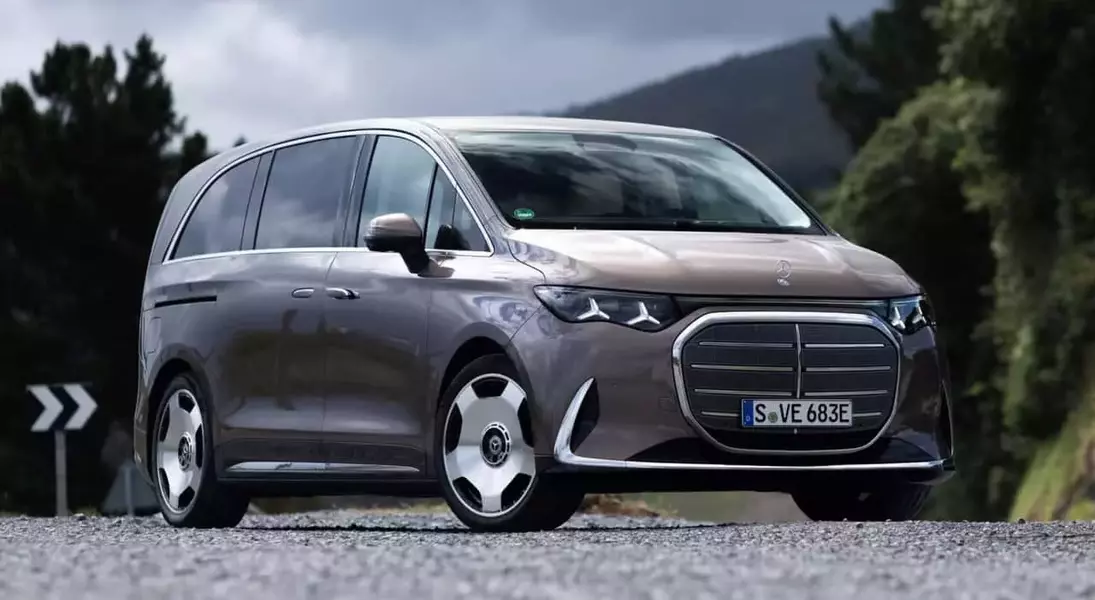
An innovative addition to the lineup is the Mercedes VLE, an electric luxury van described as a "Grand Limousine." Priced at $130,000, this EV is built on a dedicated platform, offering extensive standard equipment and abundant legroom. Its dual-motor setup in the VLE 400 produces 415 hp and 490 lb-ft (665 Nm) of torque, powered by a 115-kWh battery that provides up to 435 miles (700 kilometers) of range. A mere 15 minutes of charging adds 221 miles (355 km) of range. The VLE boasts a flexible interior with three rows of seating for up to eight occupants and air suspension for a supremely comfortable ride. A larger variant is expected in 2027, and a more luxurious Maybach VLS version is also planned.
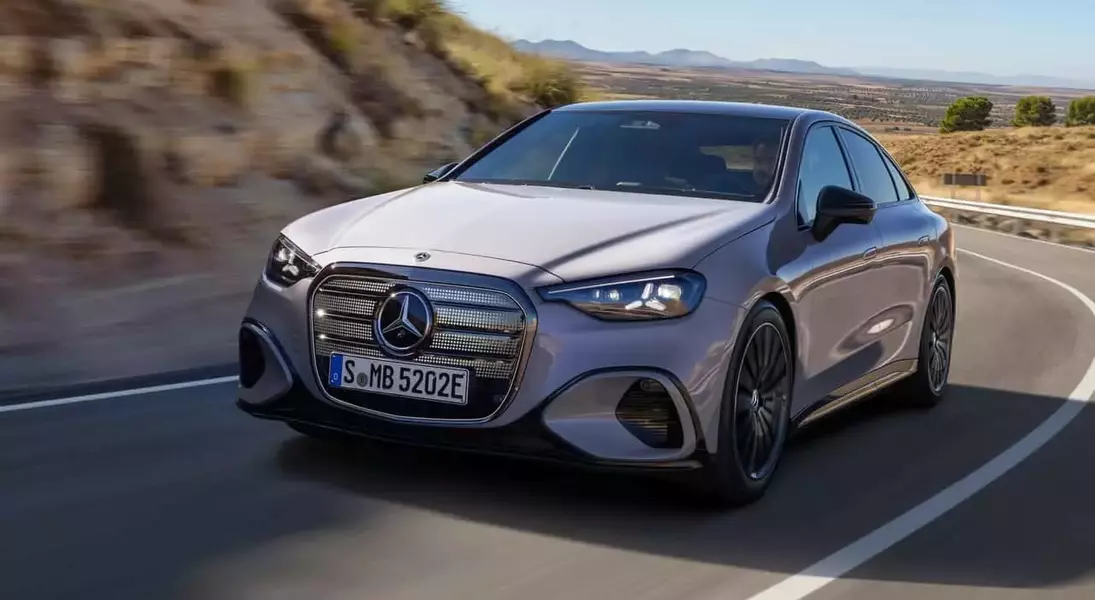
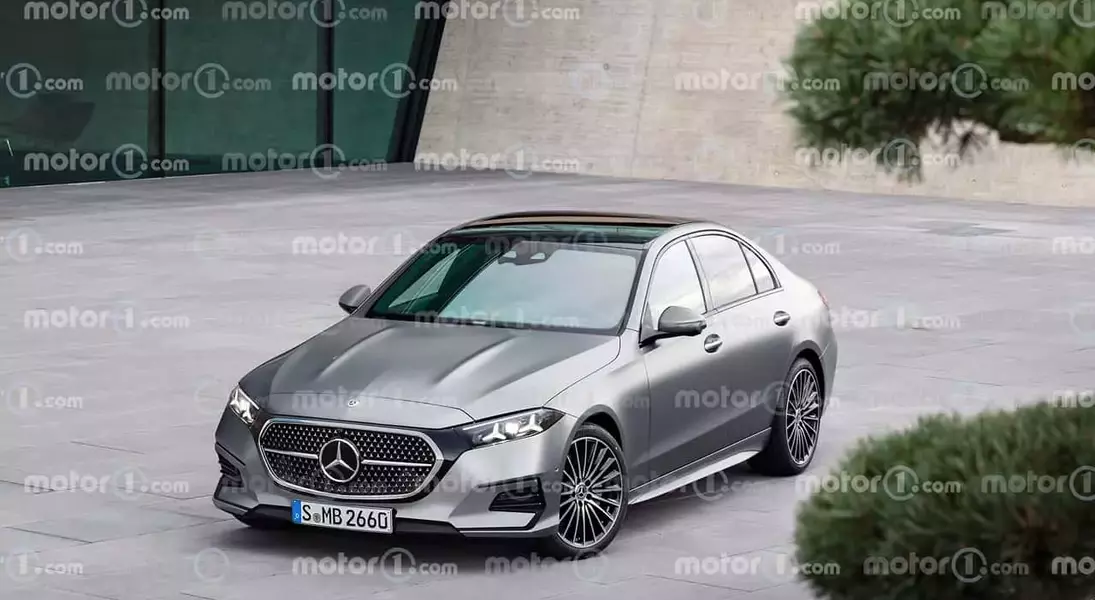
The conventionally powered C-Class is also slated for a mid-cycle facelift. Given that the current generation has been on the market for five years, this update is timely. The styling is expected to align with the electric C-Class, reflecting Mercedes' commitment to a cohesive design language across its internal combustion engine (ICE) and electric vehicle (EV) offerings. With the GLC 53 already featuring a six-cylinder engine, a C53 is highly anticipated, likely available in both sedan and wagon forms. While a V8-powered C63 is unlikely for this generation, the inline-six will appeal to those seeking performance without the complexity of a plug-in hybrid. Mercedes will also further refine the C-Class's combustion engines to meet upcoming Euro 7 emissions standards, with diesel options remaining available for several more years. This updated C-Class will compete directly with the recently debuted, fully electric BMW i3.
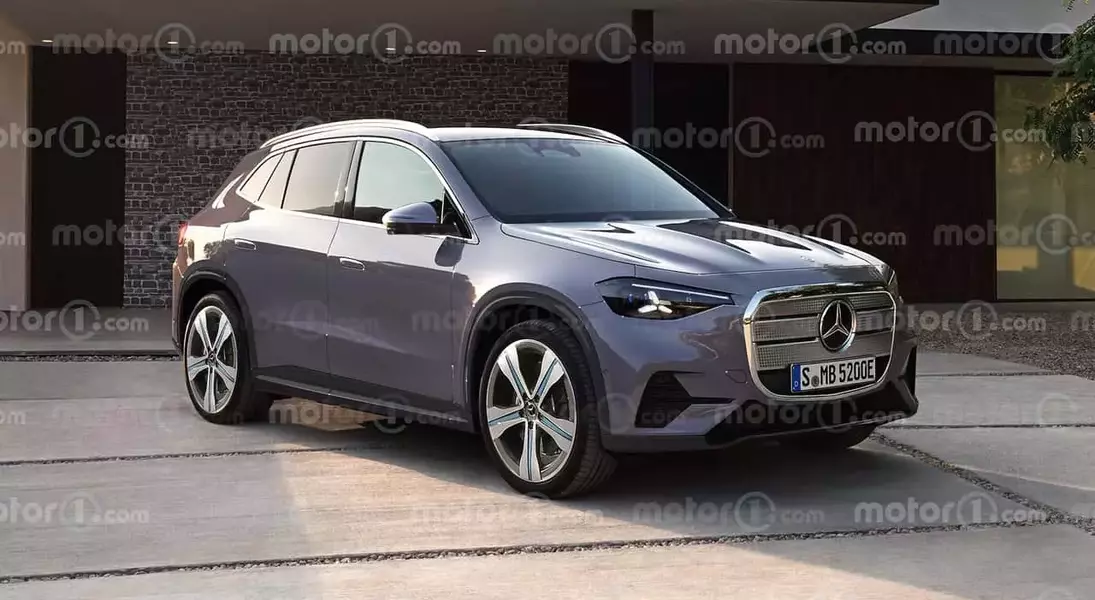
The next-generation GLA, Mercedes' entry-level crossover, is expected to be unveiled soon, possibly at the Paris Motor Show in October. It will share design cues with other compact models, regardless of its powertrain. Technical specifications are anticipated to mirror those of the CLA/CLA Shooting Brake and GLB, offering single- and dual-motor electric variants with 58-kWh and 85-kWh batteries, alongside a mild-hybrid 1.5-liter combustion engine. The electric GLA will offer rear-wheel or all-wheel drive, while the gasoline version will be available in front-wheel or all-wheel drive configurations. Sales are projected to begin in late 2026 or early 2027, with Europe leading the rollout before reaching North America.
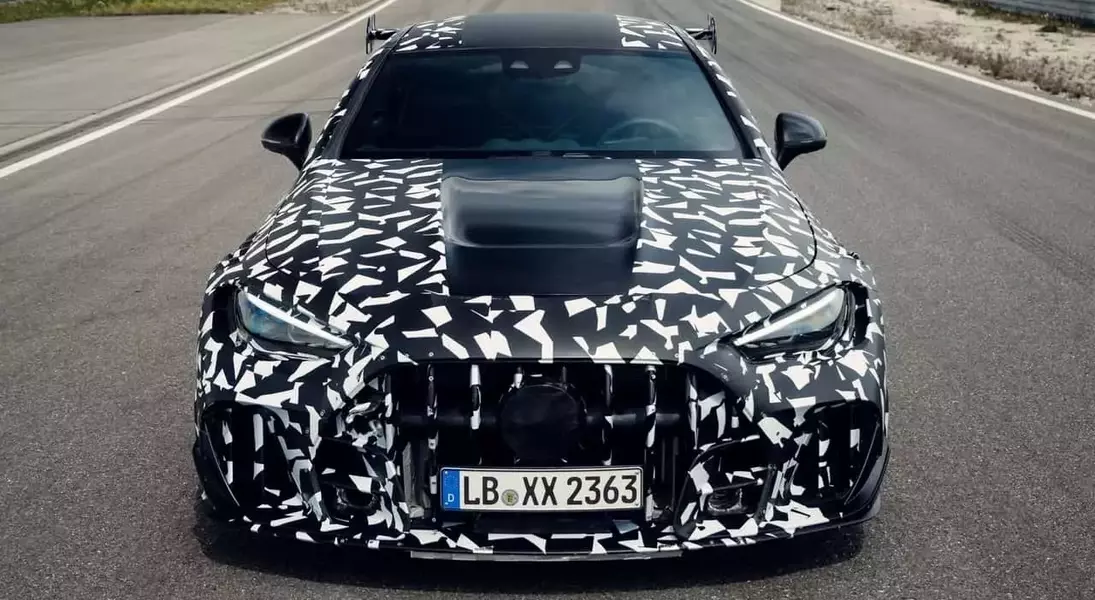
Following a protracted teaser campaign, a V8-powered CLE is imminent. While the exact reveal date is unknown, it is expected soon. Rumors suggest two versions: a limited-edition, hardcore model joining the Mythos series and a regular-production CLE 63. The Mythos model's twin-turbo 4.0-liter V8 is believed to produce 646 hp, with production limited to just 30 units. Teaser images hint at a much more aggressive body design for the Mythos variant. This confirms that the CLE is set to receive a powerful V8 engine.
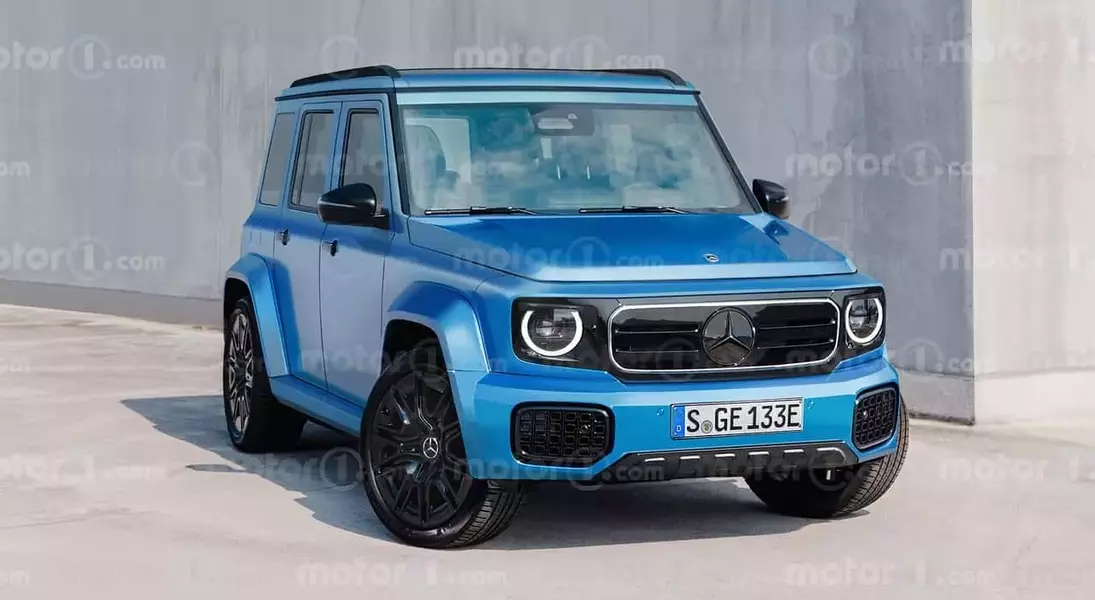
Mercedes continues to tease the return of the G-Class Cabriolet and a smaller "Little G." It remains uncertain if these will debut this year. The droptop G-Class is expected to feature the AMG G63's potent V8, while the "Little G" will offer both combustion and electric powertrains. Initially planned as an all-electric model, dealer feedback in the U.S. led Mercedes to also offer the "Little G" with gasoline engines. Despite these upcoming additions, the G-Class is already experiencing record sales, with a 23 percent increase to 49,700 units in 2025. Additionally, the AMG S63 facelift is expected before year-end to complete the S-Class lineup, though a new AMG GT Black Series is not anticipated until 2027.
Mercedes-Benz's ambitious plan for 2026 signals a bold move to rejuvenate its product portfolio, combining luxury, performance, and cutting-edge electric vehicle technology. The company’s ability to adapt to market demands, such as reintroducing larger engines and offering diverse powertrain options for models like the "Little G," demonstrates its commitment to remaining a leader in the automotive industry. This extensive refresh, ranging from flagship sedans and high-performance coupes to luxury vans and compact crossovers, aims to solidify Mercedes-Benz’s position in a rapidly evolving automotive landscape. The forthcoming models promise to deliver enhanced driving experiences, advanced technology, and a renewed sense of design cohesion across the brand.
From a journalist's perspective, Mercedes-Benz's strategy for 2026 is a fascinating blend of tradition and innovation. The decision to reintroduce larger engines in certain AMG models, while simultaneously pushing forward with a comprehensive electric vehicle lineup, highlights a pragmatic approach to market demands and evolving regulations. This dual strategy acknowledges the continued appeal of internal combustion performance for some enthusiasts, while aggressively pursuing electrification as the future. The emphasis on design cohesion between ICE and EV models is also a smart move, ensuring brand identity remains strong amidst the powertrain transition. However, the sheer volume of new models and updates could pose a challenge in terms of market saturation and consumer clarity. The success of this ambitious product offensive will ultimately depend on how well these diverse offerings resonate with a global customer base increasingly seeking both performance and sustainability.
