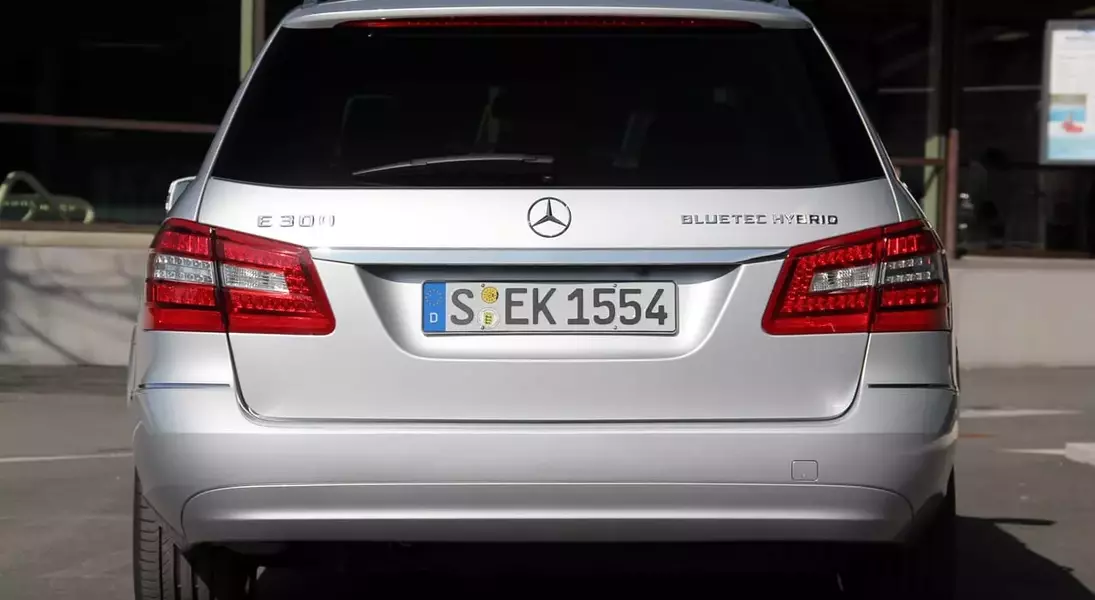
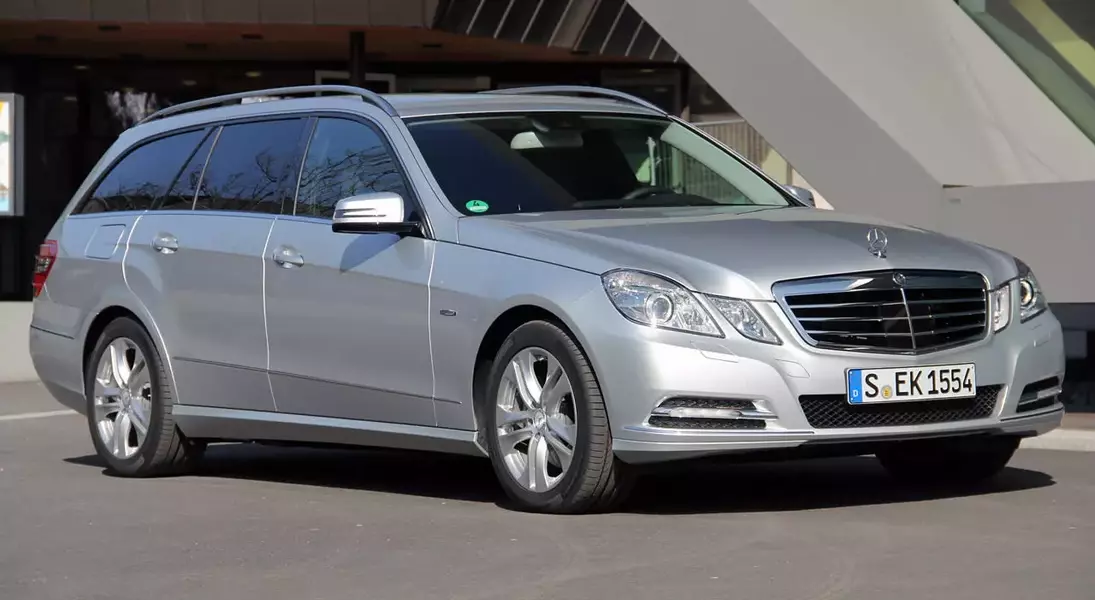
Mercedes-Benz has finalized a comprehensive $120 million multi-state settlement to resolve outstanding civil claims linked to the emissions control systems in its diesel vehicles. This pivotal agreement effectively concludes a prolonged period of legal challenges for the automaker in the United States, stemming from what has been dubbed the 'Dieselgate' era. The resolution targets environmental and consumer protection concerns associated with specific BlueTEC diesel car and van models produced between 2009 and 2016, vehicles previously promoted for their purported environmental cleanliness and advanced technology. This settlement not only involves a substantial financial payment but also mandates further upgrades to the emissions software of affected vehicles, a measure anticipated to cost tens of millions more, though Mercedes-Benz asserts that sufficient provisions have already been made without impacting future earnings.
This latest settlement follows a series of agreements Mercedes-Benz has entered into over recent years to address its diesel-related liabilities. In 2020, the company reached settlements with federal regulators and California authorities, alongside a nationwide class-action settlement for private owners. A subsequent 2022 agreement with the Arizona Attorney General further reduced its legal exposure. By 2024, the U.S. Department of Justice concluded its criminal investigation without filing charges. This multi-state agreement now resolves the remaining state-level civil claims, effectively closing the chapter on its U.S. diesel litigation.
Mercedes-Benz reports that over 85 percent of the affected BlueTEC vehicles have already received the necessary upgrades since the Approved Emission Modifications program commenced in 2021. The new settlement incorporates incentives designed to encourage remaining vehicle owners to complete these retrofits, thereby improving both environmental outcomes and compliance rates. While the company maintains its denial of any wrongdoing, it views this agreement as a practical resolution that enables it to focus on future endeavors without the ongoing burden and expense of legal battles. For regulatory bodies, this outcome represents a successful effort to ensure further emissions reductions and enhance consumer protection following extensive negotiations.
The timing of this settlement coincides with Mercedes-Benz's evolving powertrain strategy, set against a rapidly transforming automotive landscape. Despite the brand's aspiration to lead in electrification and its pledge to transition to all-electric vehicles where market conditions permit, it has also made clear that traditional combustion engines will remain a part of its long-term strategy. The company has reiterated that internal combustion engines, including gasoline units, will continue in production due to varying global rates of EV adoption and sustained consumer demand for conventional powertrains. This strategic stance extends to its high-performance division, Mercedes-AMG, which has confirmed the development of a new V8 engine and intends to retain combustion technology in its performance lineup for the foreseeable future. Furthermore, company executives have indicated that the iconic V12 engine will continue to be offered in select models well into the 2030s.
This comprehensive resolution allows Mercedes-Benz to put its past diesel emissions issues behind it, focusing resources and attention on developing its future product portfolio, which will continue to include both advanced electric powertrains and refined internal combustion engines to meet diverse global market demands.
