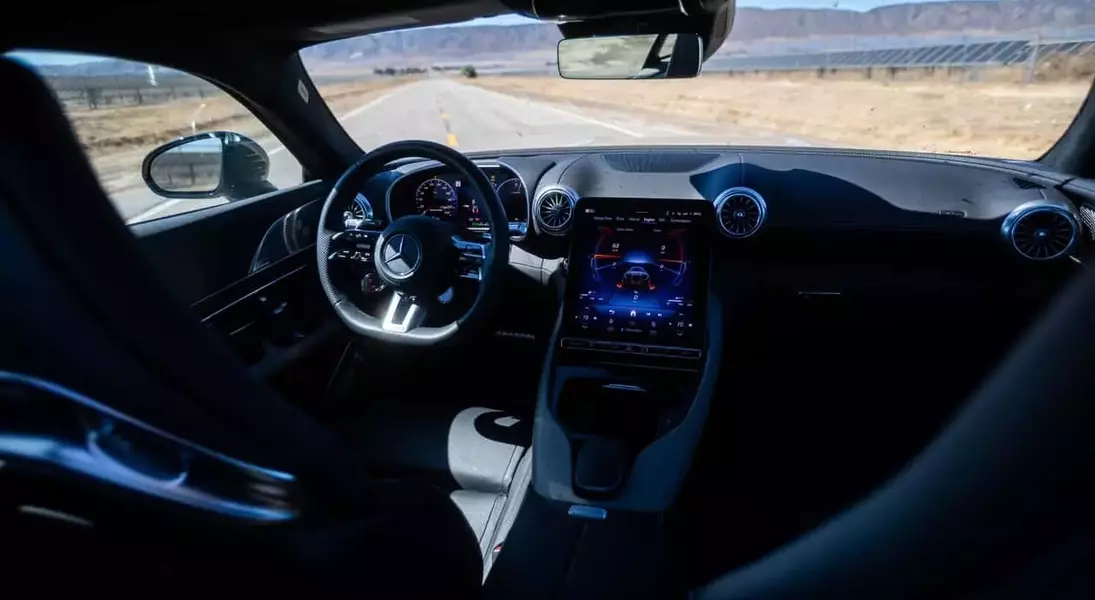
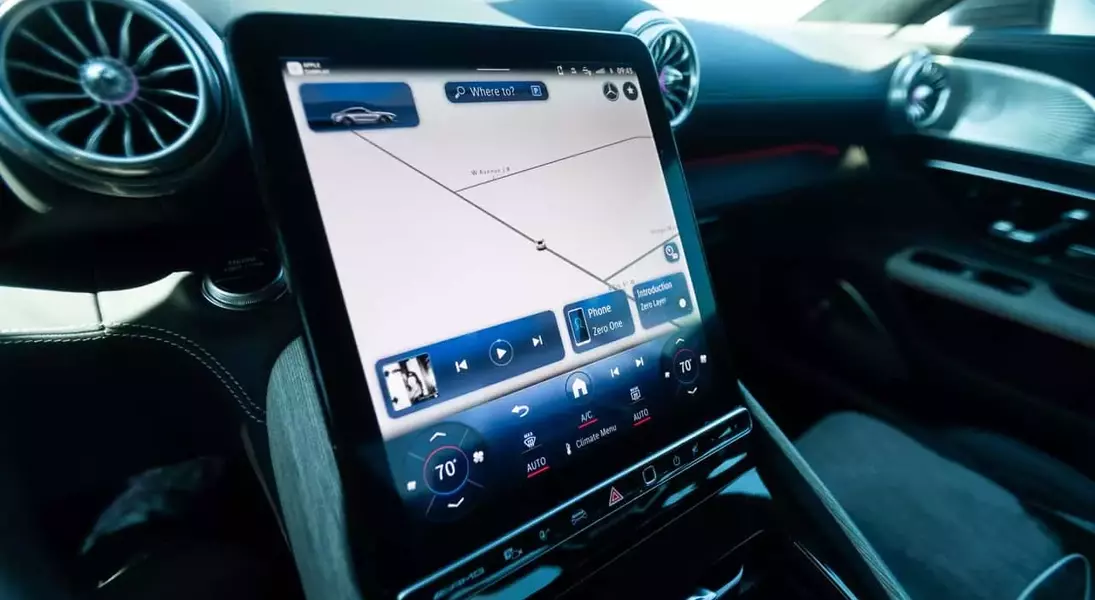
Mercedes-Benz is initiating a substantial recall affecting approximately 144,000 vehicles due to a persistent issue with their infotainment systems. The core problem lies in the control unit, which can spontaneously reset, leading to critical display screens turning blank. This malfunction has the potential to obscure essential driving data for the operator. Although the luxury automaker commenced addressing this glitch with an over-the-air software update in August of the previous year, fortifying the system against inadvertent resets, a comprehensive safety recall has become necessary to ensure the complete rectification of this widespread concern, particularly after regulatory bodies highlighted similar actions by other manufacturers for comparable display problems. The company, however, affirms that no accidents or injuries have been directly attributed to this defect, despite a notable volume of warranty claims and field reports.
Mercedes-Benz Launches Recall for Display Failures Across Key Models
In a significant move impacting its 2024-2026 vehicle lineup, Mercedes-Benz has announced a recall of approximately 144,000 units. This action addresses a defect in the infotainment control unit that can cause vehicle displays to unexpectedly cease functioning, presenting a potential hazard by obscuring crucial operational information for drivers. The affected models span a wide range of Mercedes' premium offerings, including the AMG GT, C-Class, E-Class, SL-Class, CLE-Class, and various GLC-Class variants, encompassing high-performance iterations such as the C63 S E Performance. According to documentation from the National Highway Traffic Safety Administration (NHTSA), the system's control unit may trigger an elevated number of resets as part of its designed fallback behavior, resulting in intermittent interruptions of the instrument cluster display, with no prior warning to the driver. The German automaker began proactively deploying an over-the-air software fix in August of the preceding year, designed to enhance the system's resilience. By April, roughly 62% of the affected fleet had received this update. However, following discussions with NHTSA in April, emphasizing that other manufacturers had conducted safety recalls for similar display issues, Mercedes-Benz opted for a full recall. The updated software was officially released on July 9, 2025. While the company has received numerous warranty and service reports related to the problem, it has not identified any instances of crashes or personal injuries directly linked to the display malfunctions.
This widespread recall underscores the critical importance of reliable in-car technology, especially as modern vehicles integrate increasingly complex digital interfaces for essential functions. For a brand synonymous with luxury and precision, the unexpected blanking of infotainment screens is more than just an inconvenience; it represents a lapse in the expected standard of excellence and safety. Moving forward, both consumers and regulators will likely maintain heightened scrutiny over the robustness and dependability of advanced automotive systems. This incident highlights the need for continuous innovation in software development alongside rigorous testing to preemptively address potential safety hazards before they escalate, reinforcing that even the most prestigious manufacturers are not immune to technological challenges.
