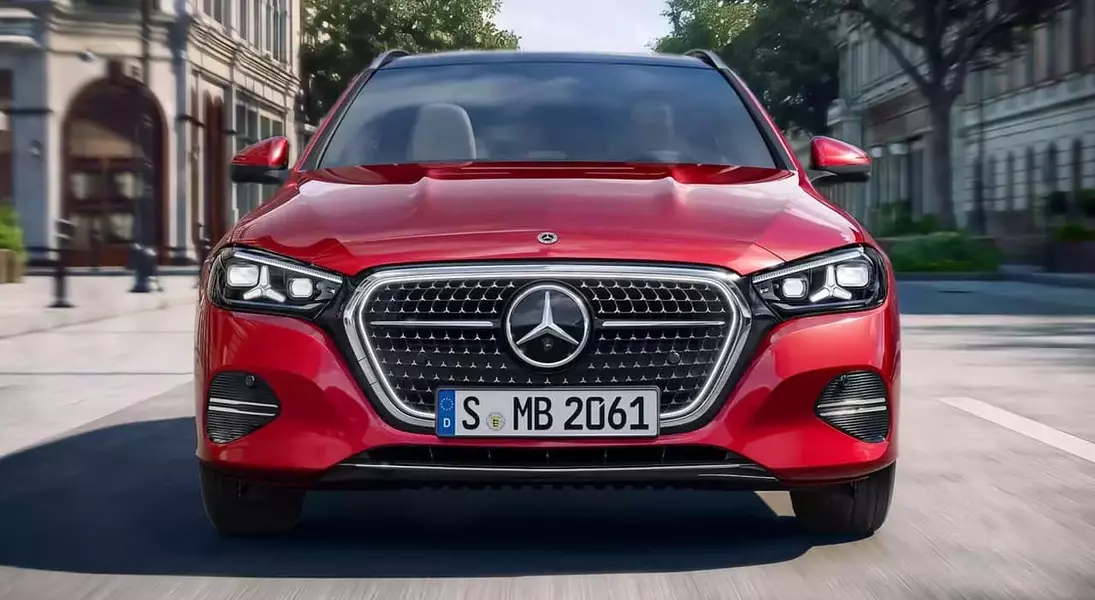
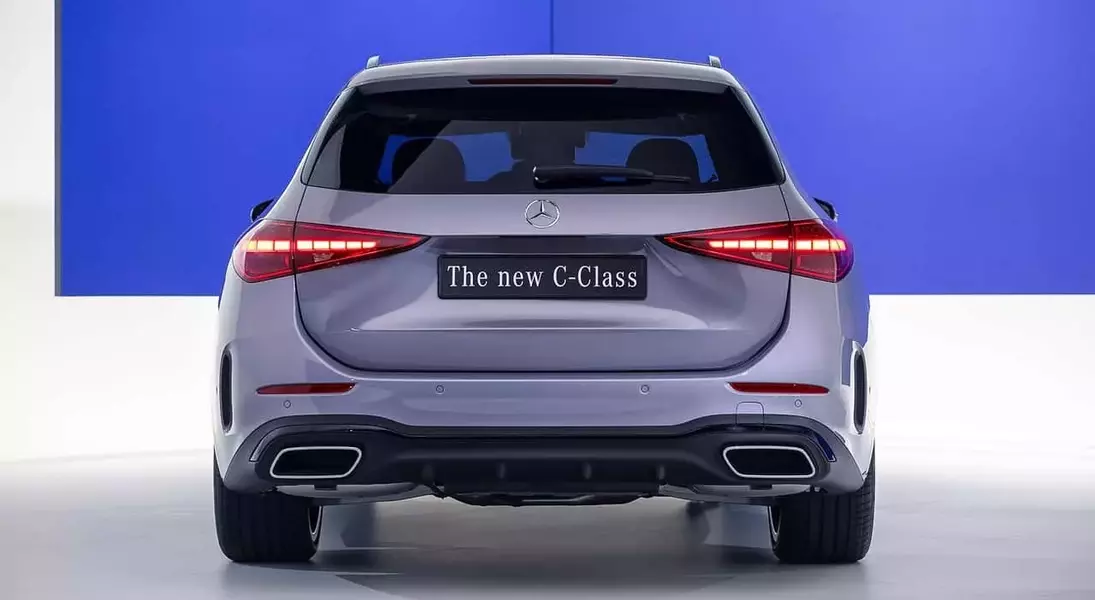
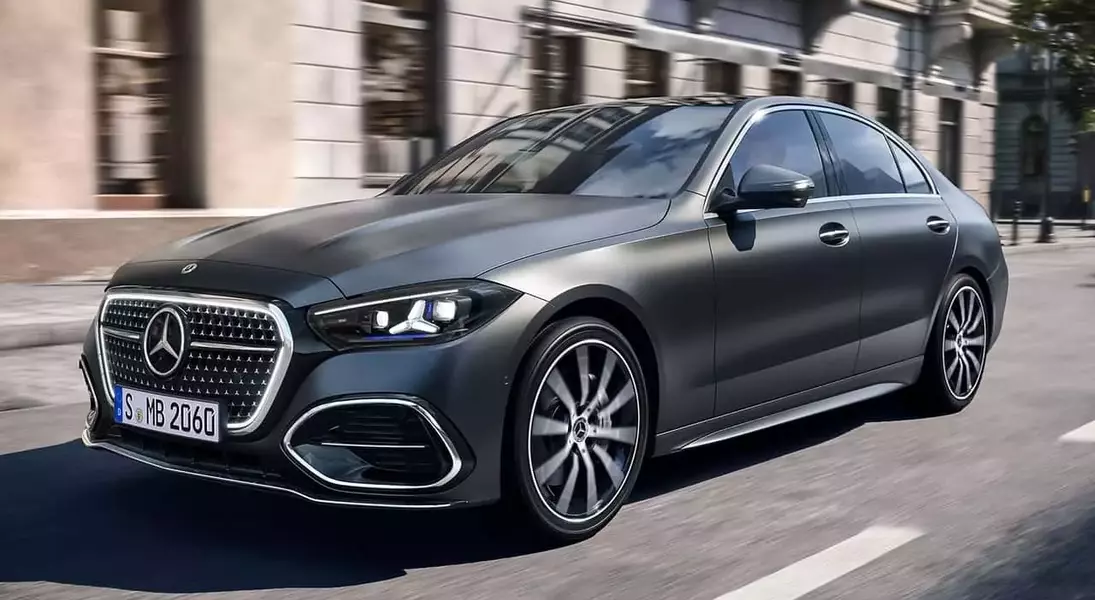
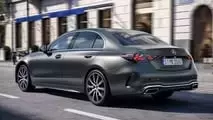
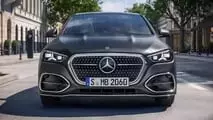
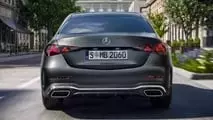


Mercedes-Benz has unveiled a refreshed C-Class, but enthusiasts hoping for the reintroduction of the V8 engine in the AMG C63 will be disappointed. Despite the manufacturer's assurance that V8 production will continue until at least 2035, the C-Class line will not see the return of the formidable eight-cylinder powerplant in its high-performance variant. This decision marks a pivotal shift for the AMG C63, historically celebrated for its powerful V8, now prioritizing a 2.0-liter turbocharged four-cylinder engine with a plug-in hybrid system.
Klaus Rehkugler, head of product management and global training at Mercedes-Benz, confirmed that V8 engines will remain in production for at least another decade, a timeline much longer than initially predicted. This longevity, however, does not extend to the C63. The existing C63 S E Performance, while boasting an impressive 671 horsepower and 752 lb-ft of torque from its four-cylinder hybrid setup, has struggled to resonate with traditionalists who cherish the distinct roar and character of the V8 engine that once defined the C63's legacy.
The journey of the AMG C63 has seen significant transformations. Earlier models, such as the W205, featured a 4.0-liter twin-turbo V8, and the revered W204 generation was powered by a naturally aspirated 6.2-liter V8, an engine that became an icon for AMG. However, Mercedes-AMG's strategic decision to downsize to four cylinders aimed to balance high performance with enhanced efficiency, integrating a plug-in hybrid system. This engineering marvel provides substantial power and immediate torque, but it also introduced additional weight and complexity, fundamentally altering the driving experience and the C63's unique character.
Mercedes-AMG has acknowledged that the current four-cylinder strategy for the C63 might not be sustainable in the long term, leading to the phasing out of the current C63. Its place as the top-tier performance C-Class is expected to be taken by a milder C53 model, likely equipped with a 3.0-liter inline-six engine, mirroring the transition seen in the GLC 63 to the GLC 53. While AMG is developing a new generation of V8 engines and remains committed to internal combustion powerplants for the foreseeable future, these V8s will not find their way into the C-Class range.
From a business perspective, the decision to exclude a V8 from the current C-Class facelift is understandable. Given the car's remaining three to four years in its product cycle, the investment required to develop and certify a V8-powered variant would likely not yield sufficient returns. The prospect of a V8-equipped AMG C-Class in future generations remains an open question, contingent on market dynamics and strategic decisions yet to be made. For now, the thunderous V8 sound that once defined the C63 is a memory, as Mercedes continues its evolution in powertrain technology.
