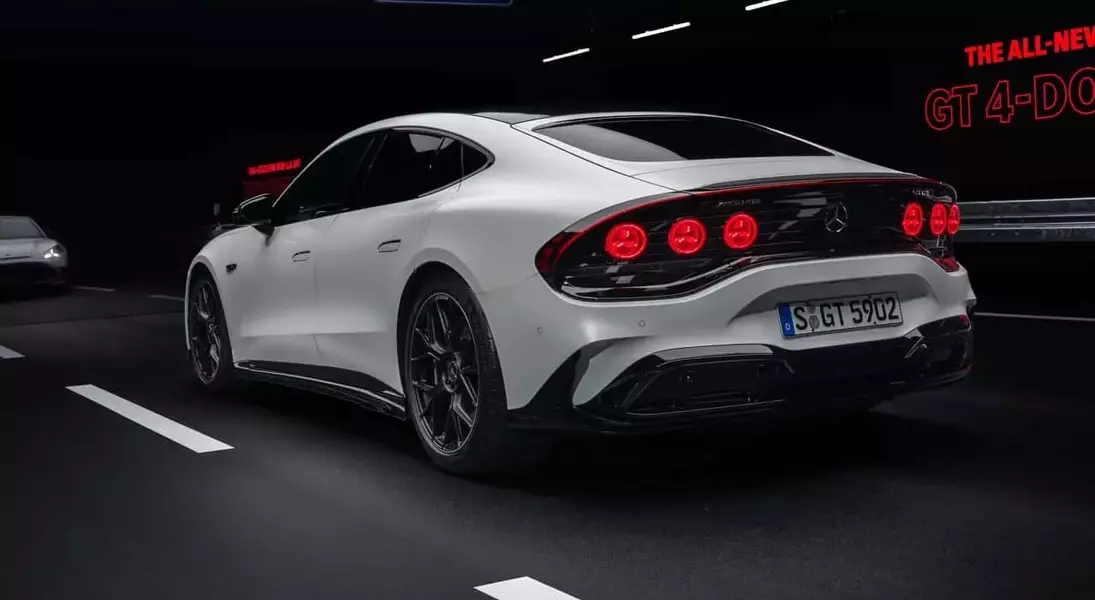
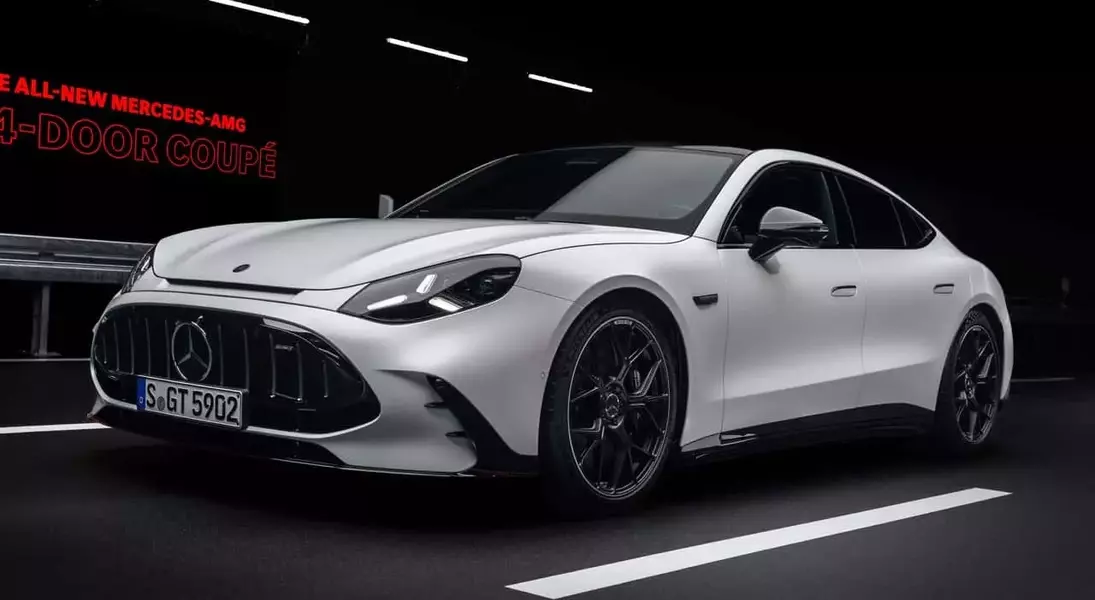
The automotive world has recently seen significant shifts, with Mercedes-AMG unveiling its all-electric GT 4-Door, a vehicle that has sparked considerable discussion. This latest iteration is set to redefine performance with its advanced electric powertrain, but it also introduces a notably higher price point. While the new model offers impressive power and technological advancements, the substantial cost increase presents a challenge for consumer adoption, especially for those accustomed to traditional internal combustion engines.
The 2027 Mercedes-AMG GT 4-Door signifies a bold step into the electric future for the brand. It boasts significantly enhanced performance figures, with the GT55 delivering 805 horsepower and the GT63 exceeding 1,100 horsepower. This power upgrade brings a new level of driving experience, though the transition to electric powertrains means relinquishing the iconic V8 engine sound, which some enthusiasts may miss. The anticipated US pricing will be a crucial factor in how these high-performance electric vehicles are received by the market.
Elevated Pricing and Performance
The 2027 Mercedes-AMG GT 4-Door will carry a considerably higher price tag than its predecessor. In Europe, the base GT55 model, which replaces the GT53, starts at €154,700, translating to approximately $180,500. The more powerful GT63 begins at €208,130, or about $242,000. These figures represent a significant jump, with the GT55 being an estimated $66,150 more expensive than the outgoing GT53, and the GT63 increasing by an estimated $82,400 compared to the previous model. The price difference is stark, considering the 2026 GT43 started at $103,250 and the GT63 at $159,600. These price increases underscore Mercedes-AMG's positioning of the new electric GT 4-Door as a premium, high-performance offering in the luxury electric vehicle segment.
Despite the steep increase in cost, the new Mercedes-AMG GT 4-Door offers a substantial upgrade in performance. The GT55 now generates 805 horsepower, matching the output of the previous top-tier GT63 S E Performance model. The even more potent GT63 variant boasts over 1,100 horsepower, a remarkable increase that promises an exhilarating driving experience. This elevated performance is a direct result of the shift to an all-electric powertrain. While the new models offer greater power and advanced technology, the absence of the traditional AMG V8 engine sound might be a point of contention for purists. Mercedes-AMG has attempted to address this by incorporating a simulated V8 powertrain sound, aiming to retain some of the visceral experience associated with its performance vehicles. However, the ultimate reception will depend on how potential buyers weigh the benefits of electric performance against the higher cost and altered auditory experience.
Market Reception and Future Outlook
The introduction of the new Mercedes-AMG GT 4-Door has generated mixed reactions within the automotive community. While some appreciate the bold move towards electrification and the impressive performance figures, others are wary of the significant price hike and the departure from traditional V8 engines. The debate highlights the ongoing challenges luxury automakers face in transitioning to electric powertrains, particularly in balancing innovation with customer expectations and market pricing. As the automotive industry continues its shift towards electric vehicles, manufacturers like Mercedes-AMG must carefully navigate these factors to ensure their new offerings resonate with discerning buyers.
For Mercedes-AMG, the strategy with the new GT 4-Door appears to be offering enhanced value through superior electric performance, even if it comes at a premium. The increase in horsepower and the adoption of cutting-edge electric technology are presented as justifiable reasons for the higher cost. However, the true test will be how the US market responds once official pricing is announced. The success of the GT 4-Door could set a precedent for future luxury electric vehicles, influencing pricing strategies and consumer acceptance. It remains to be seen whether the promise of unparalleled performance and an electric future will outweigh the steep investment for prospective owners, especially given the existing attachment to the sensory experience of traditional high-performance combustion engines.
