

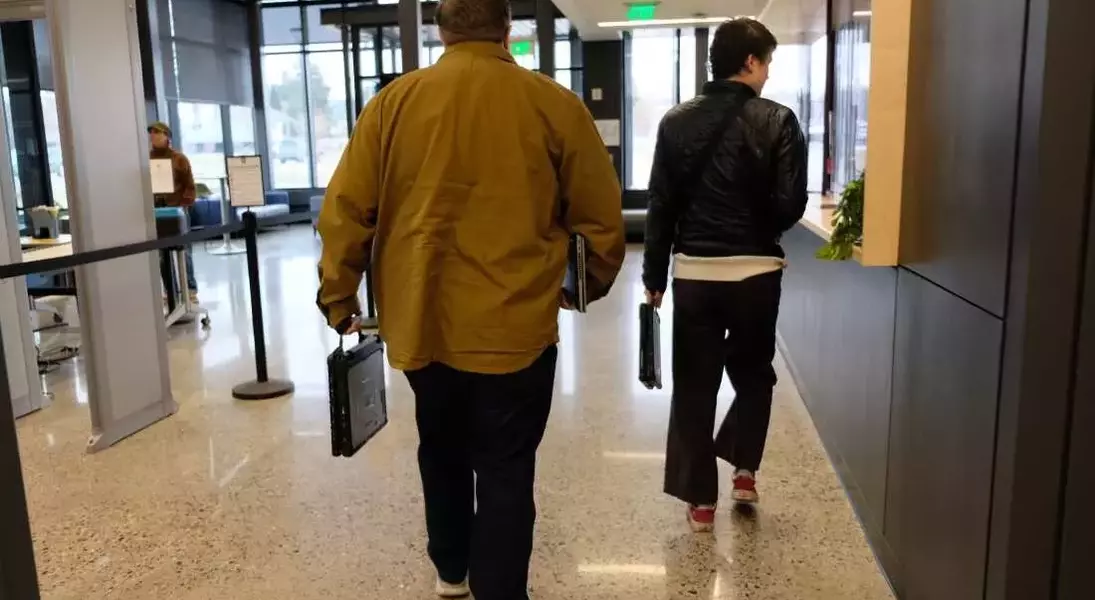
Mobile crisis intervention units, which provide a crucial alternative to law enforcement for mental health emergencies, are experiencing significant operational challenges due to inconsistent and insufficient funding. Despite their demonstrated ability to de-escalate crises, reduce police involvement, and prevent unnecessary hospitalizations, many of these vital programs are teetering on the brink of collapse or have already ceased operations. This precarious situation undermines efforts to reform mental health response systems and leaves individuals in crisis without the specialized support they desperately need. The core issue stems from a fragmented funding landscape, where reliance on grants and limited insurance reimbursements fails to provide the stable financial foundation necessary for sustained service delivery.
The expansion of mobile crisis teams across the nation reflects a growing recognition of the need for specialized responses to mental health calls, moving away from traditional police interventions that can often exacerbate volatile situations. These teams, comprising trained therapists and crisis specialists, offer a more humane and effective approach, focusing on de-escalation, immediate care, and connecting individuals with long-term mental health resources. However, without a robust and predictable funding structure, the future of these programs remains uncertain, threatening to reverse the progress made in shifting mental health crisis management from a law enforcement issue to a public health matter.
The Critical Role of Mobile Crisis Teams in Mental Health Response
Mobile crisis teams have emerged as a vital component of modern mental health infrastructure, offering a compassionate and effective alternative to traditional law enforcement responses for individuals experiencing psychiatric emergencies. These teams, typically composed of mental health professionals, are trained to de-escalate volatile situations, provide on-site therapeutic intervention, and connect individuals with appropriate follow-up care. Their effectiveness has been widely documented, with programs significantly reducing police time spent on mental health calls, preventing unnecessary hospitalizations or arrests, and ultimately improving outcomes for those in crisis. The proactive and specialized nature of these teams ensures that individuals receive care tailored to their mental health needs, fostering a safer and more supportive environment for both the affected individuals and the broader community.
The integration of mobile crisis units into emergency response systems marks a significant shift from relying solely on police, who often lack the specialized training required to manage complex mental health situations. Studies have consistently shown that individuals with mental illnesses are disproportionately affected by police use of force, highlighting the urgent need for non-law enforcement alternatives. Mobile crisis teams address this gap by bringing clinical expertise directly to the point of crisis, allowing for more nuanced interventions that prioritize de-escalation and therapeutic engagement. This approach not only enhances public safety but also promotes a more equitable and health-focused response to mental health challenges, demonstrating a clear path forward for communities seeking to improve their crisis intervention strategies.
Navigating the Funding Crisis: Challenges and Solutions for Sustained Support
Despite their proven efficacy and the growing demand for their services, mobile crisis teams nationwide are grappling with a severe funding crisis. Unlike police departments, which typically benefit from stable, taxpayer-funded budgets, these mental health initiatives often rely on an inconsistent mix of grants, limited insurance reimbursements, and patchwork state support. This financial instability has led to the closure or scaling back of many programs, including long-standing and innovative models, jeopardizing the continuity of care for vulnerable populations. The fundamental challenge lies in establishing a sustainable funding model that recognizes the essential public service these teams provide, ensuring they can operate consistently and expand to meet community needs.
Addressing the precarious financial state of mobile crisis teams requires a multifaceted approach involving policy changes and increased investment. Key solutions include mandating private insurance coverage for mobile crisis services, expanding Medicaid reimbursement to cover all aspects of crisis response—not just on-site intervention—and exploring dedicated funding streams such as cellphone bill fees. Furthermore, state governments must consider increasing their direct financial contributions and streamlining access to existing funds, ensuring that administrative burdens do not deter programs from utilizing available support. Without a concerted effort to secure stable and comprehensive funding, the invaluable work of mobile crisis teams will continue to be undermined, ultimately impacting the well-being of individuals in crisis and placing a greater strain on overloaded emergency services.
