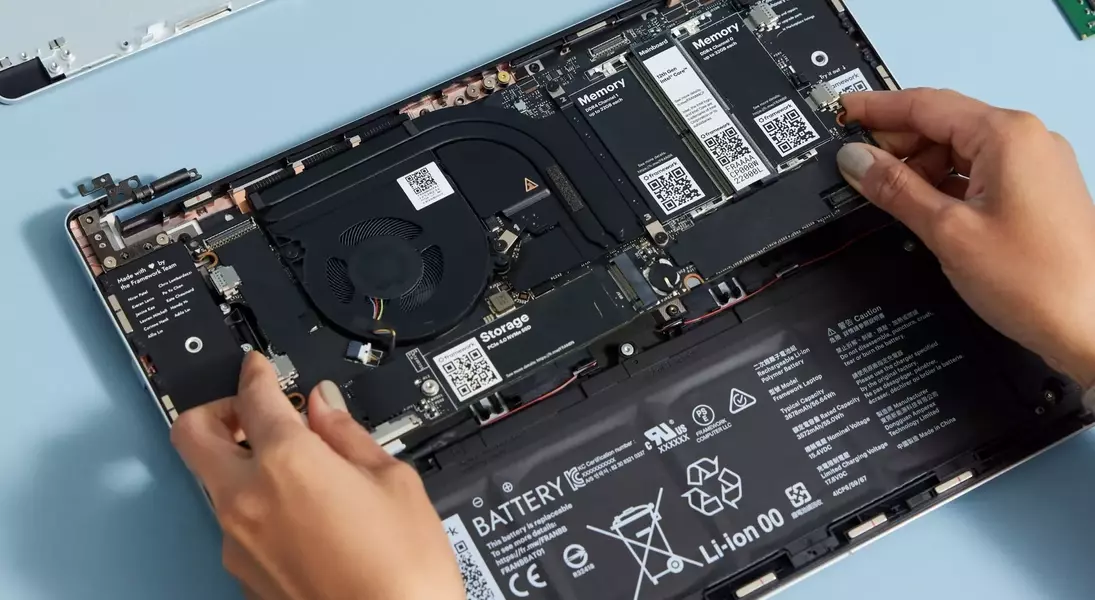
In an unexpected turn of events, Framework, a company celebrated for its innovative modular laptop designs, has declared a substantial 50% increase in the pricing of its DDR5 memory modules. This adjustment directly reflects the soaring expenses incurred from memory distributors and suppliers, signaling a broader, tumultuous shift within the memory market. The company emphasized that even with this significant hike, their new pricing remains competitive, underscoring the severity of current market conditions.
This revelation follows a period where Framework had previously critiqued larger tech entities like Dell and Apple for their memory price escalations, despite foreseeing the inevitability of their own price adjustments. The company has, however, committed to honoring existing pre-orders at their original prices and stated that pre-built laptops and Framework Desktop units with pre-installed memory will temporarily be exempt from these immediate price changes.
The root cause of this volatile pricing environment, as articulated by Framework, lies predominantly with the burgeoning demand from AI data centers. These facilities, integral to the advancement of artificial intelligence, consume an extraordinary volume of memory. For instance, a single rack of NVIDIA's GB300 solution demands quantities of HBM3E and LPDDR5X memory that could equip thousands of laptops. This insatiable appetite for memory in AI-centric data centers places immense pressure on the global supply, driving up costs across the board.
This surge in demand extends beyond just RAM, affecting other crucial PC components such as SSDs. Consequently, consumers are witnessing a universal increase in hardware prices. Prominent manufacturers like Lenovo, HP, and Dell have similarly issued warnings regarding impending price hikes for their products. Experts predict that this upward trend in PC component costs is likely to persist well into 2026 and potentially beyond, challenging both manufacturers and consumers in the dynamic tech landscape.
The continuous and escalating demand for high-bandwidth memory by AI data centers is fundamentally reshaping the market dynamics for computing components. As these advanced technologies become more prevalent, the competition for memory resources intensifies, leading to a ripple effect that touches every segment of the tech industry, from enterprise solutions to consumer electronics. This scenario prompts a re-evaluation of long-term strategies for both procurement and product development in the face of an enduring period of elevated component costs.
