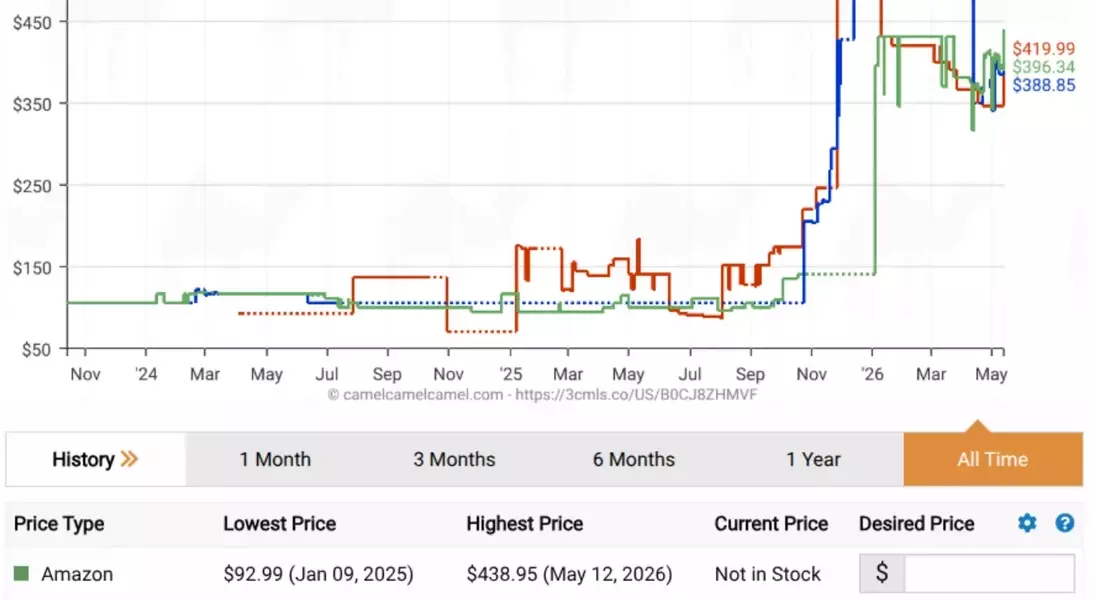
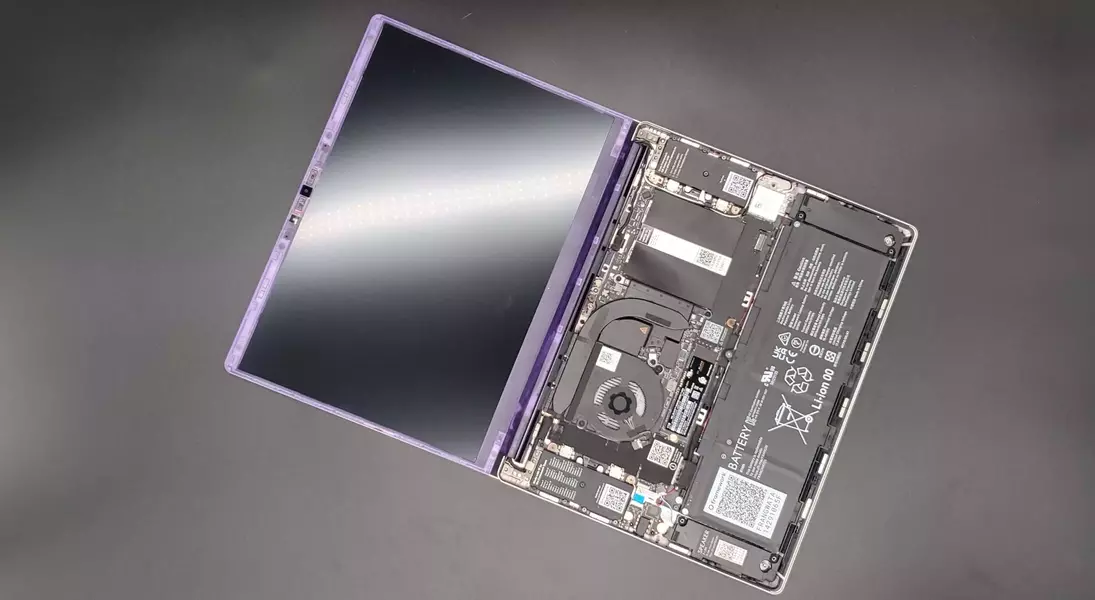
Modular laptop manufacturer, Framework, has provided an update on component pricing, revealing a mixed bag of news for consumers. While costs for DDR5 memory modules have remained relatively consistent, the company is grappling with escalating prices for solid-state drives (SSDs). This shift is primarily attributed to the depletion of their existing, lower-cost SSD inventory and the necessity of acquiring new stock at significantly higher market rates, a trend exacerbated by the intense demand from AI data centers.
Framework highlighted in a recent blog post that despite stability in DDR5 memory supplier costs, they've exhausted their earlier, more affordably purchased 8GB modules. Consequently, to reflect the increased expenses of newly acquired modules, an upward price adjustment has been made. However, the company emphasized that this increase only covers the necessary rise in costs, and pricing for other memory capacities has been maintained for the current month.
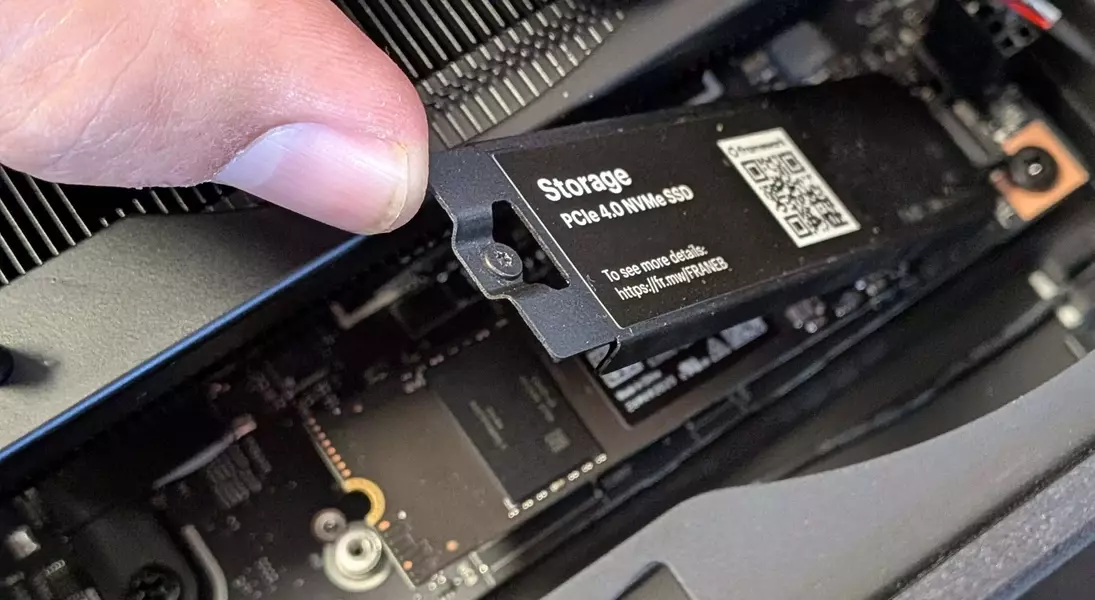
The situation for SSDs presents a more challenging scenario. Framework explained that for several months, they managed to offer storage solutions at prices considerably below market value by utilizing inventory procured in previous years. Now, with much of this older stock across various capacities depleted, they are forced to purchase new inventory at prices that are many times higher than before. This substantial hike is largely due to the pervasive 'memory crisis' and an unprecedented surge in demand, particularly from AI-driven data centers.
Currently, Framework's SSD prices represent a weighted average of both old and new inventory, resulting in a moderate increase. However, the company anticipates a more significant price adjustment next month as the older stock is fully replaced by the higher-priced new modules. To mitigate these pressures, Framework is broadening its supply chain beyond its traditional reliance on Sandisk, now incorporating Adata and Phison as additional SSD suppliers. Rigorous validation processes are in place to ensure these new components meet performance standards, although some variations in controllers and NAND chips are to be expected.
The broader memory market has been significantly impacted by the insatiable demand for chips from AI data centers, leading to a general increase in memory and storage costs for all. This global trend directly affects consumers, including gamers, who face elevated prices for essential PC components. For example, a 32GB DDR5 kit, which once retailed for under $100 just six months ago, now commands prices ranging from $300 to $400. While there has been a slight plateau in prices since the dramatic spike late last year, the overall cost remains substantially higher. Major memory manufacturers like Sandisk, SK Hynix, and Micron have seen their share prices soar, indicating that this elevated pricing environment may persist as long as AI demand continues its relentless growth.
